





Anhinga
Anhinga anhinga
The Anhinga is a unique bird that loves to swim and dive underwater. It has a long neck and can often be seen drying its wings in the sun after swimming.
Habitat: Wetlands
The Anhinga is a sleek water bird with a long, S-shaped neck and a dagger-like bill. Males are iridescent black with silvery-white streaks on their wings, while females have a brownish head and neck. Its long, fanned tail makes it visually distinct from similar birds.
Category
BirdsRarity
Common
Danger
1/5 · Very low
Snaps
54
After diving, they spread their wings to dry like a dark cape in the sun!
Anhingas build their nests in trees over water, protecting their young from predators.
Anhingas have a unique hinge in their neck, allowing them to quickly spear fish!
They often hunt with their eyes open underwater, spotting prey in murky waters.
Anhingas can easily sink and swim underwater because their feathers get soaked, letting them hunt fish efficiently.
Anhingas can quickly stab fish with their sharp, pointed bill, catching slippery prey with a swift movement.
Anhingas have a special way to dry their wings by spreading them wide in the sun, helping them fly again after dives.
Anhingas are skilled underwater hunters that spear and eat fish and other small aquatic animals.
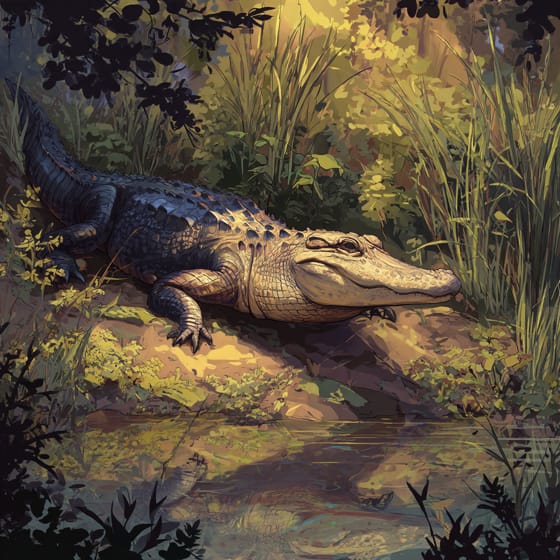
Alligator mississippiensis
Preys on eggs and young in nests.
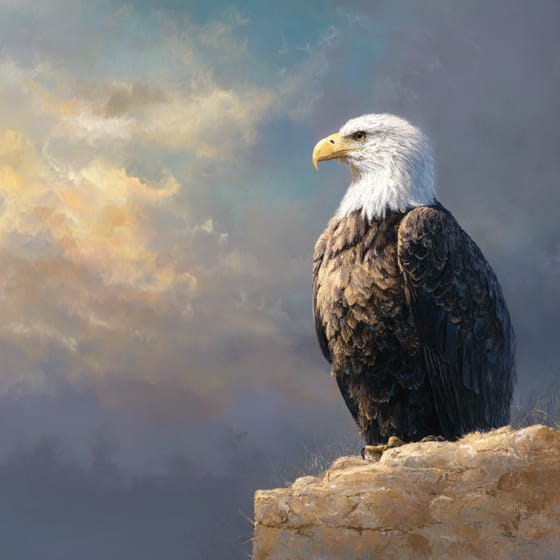
Haliaeetus leucocephalus
Can snatch eggs or chicks from nests.
Oreochromis niloticus
A common fish preyed upon by Anhingas.
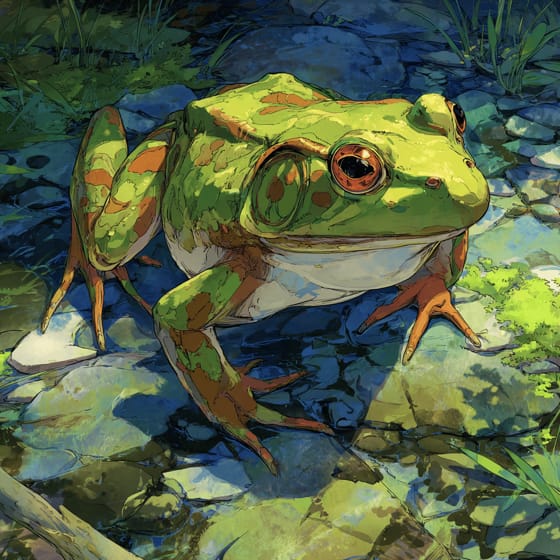
Lithobates catesbeianus
Frogs are also a regular part of their diet.
Feathered describes animals, primarily birds, possessing a covering of feathers.
Characterized by having toes connected by a membrane, typically aiding in swimming.
Solitary animals live alone for most of their lives, only interacting with others for mating or parental care.
Piscivorous organisms are animals that primarily subsist on a diet of fish.

This habitat trait identifies species found in wetlands, which are areas of land saturated with water, either permanently or seasonally, including marshes, swamps, and bogs.

This trait identifies organisms whose diet consists entirely or primarily of animal tissue.

Diurnal animals are primarily active during daylight hours, typically resting or sleeping at night.

Migratory animals undertake seasonal movements from one region to another, typically in response to changes in climate or food availability.
Danger
1/5 · Very low
Always watch birds from a distance and do not try to touch or feed them.
The easiest way to identify Anhinga is to use the Snappit nature identifier app.
80-100 cm
110-120 cm
1-1.5 kg
9-16 years
40 km/h
Anhingas are skilled underwater hunters that spear and eat fish and other small aquatic animals.
Wetlands
Zoom in to split clusters and explore where this object has been snapped.

South Carolina, US
You might spot American Alligator, Anole, and Great Blue Heron.
View guide →

Louisiana, US
You might spot Brown Anole, White Ibis, and Duck.
View guide →

Georgia, US
You might spot Brown Anole, Anole, and Gulf Fritillary.
View guide →

South Carolina, US
You might spot Great Blue Heron, Spanish Moss, and Cahaba Lily.
View guide →

South Carolina, US
You might spot Anole, Asian Lady Beetle, and Gulf Fritillary.
View guide →

Florida, US
You might spot American Alligator, Brown Anole, and Red-Shouldered Hawk.
View guide →
Take the discovery with you
Snap it with Snappit to identify it, learn what makes it special, and add the discovery to your collection.




.jpg&width=800)







