





Utah Juniper
Juniperus osteosperma
The Utah Juniper is a sturdy tree that grows in dry places. It has green, needle-like leaves and produces small berries that are loved by birds and other animals.
Habitat: Desert
The Utah Juniper is a rugged, evergreen conifer with a gnarled trunk and distinctive reddish-brown, shreddy bark. It has tiny, scale-like, yellowish-green leaves and produces small, waxy, blue-grey cones that look like berries. Its often irregular, rounded crown stands out in arid landscapes.
Category
PlantsRarity
Common
Danger
1/5 · Very low
Snaps
6
Indigenous people traditionally used juniper bark for weaving and crafting baskets.
Its 'berries' are actually fleshy cones, not true fruit, containing tiny seeds!
Some ancient Utah Junipers have been alive since before America was a country!
This tree's super-strong wood was used by early pioneers for fence posts and fuel.
Utah Juniper can grow deep taproots and has waxy, scale-like leaves that help it survive extreme dry spells.
Utah Juniper has incredibly dense, decay-resistant wood that helps it live for many hundreds of years, enduring harsh climates.
Utah Juniper has a strong root system that anchors it firmly, allowing it to thrive on steep, rocky slopes.
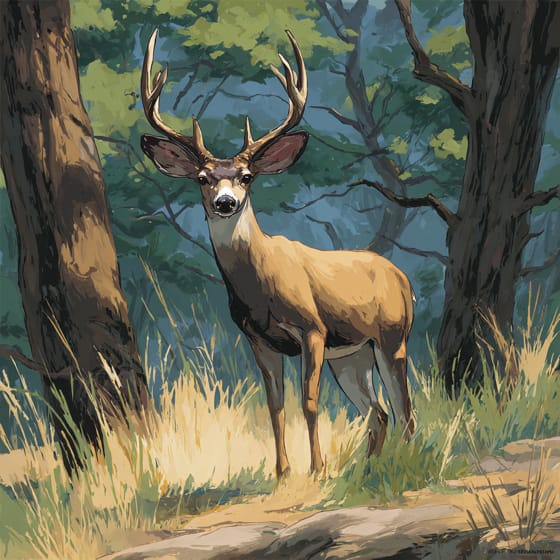
Odocoileus hemionus
browses on its foliage, especially in winter.

Myadestes townsendi
relies heavily on its berries for winter food.
.jpg&width=800)
Neotoma cinerea
builds nests and hides among its branches.
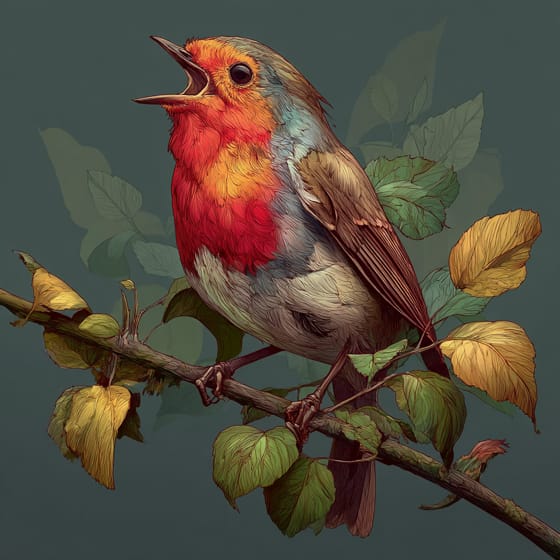
Turdus migratorius
is often seen eating its nutritious cones.
Aromatic plants produce and emit fragrant volatile organic compounds, often for defense or to attract pollinators.
Coniferous plants are typically evergreen, bearing needles or scales and reproductive cones.
Evergreen plants retain their foliage throughout the year, never shedding all their leaves at once.
Fruit-bearing plants produce fruits, which are the mature ovaries of flowering plants containing seeds.

Drought-tolerant plants can survive and flourish in conditions with limited water availability.

This human use trait describes species cultivated or domesticated by humans for agricultural purposes, including crops and livestock.
Timber refers to wood that has been prepared for use in building and carpentry.

Desert habitats are arid regions characterized by extremely low precipitation and often extreme temperatures, supporting specialized flora and fauna.

This trait signifies organisms belonging to a very old evolutionary group with ancestors dating back millions of years.

This trait characterizes organisms with an exceptionally long lifespan compared to others of their kind.
Danger
1/5 · Very low
Be careful not to touch sharp needles on the leaves.
The easiest way to identify Utah Juniper is to use the Snappit nature identifier app.
300-700 cm
200-500 cm
0.2-0.4 cm
Spring
Yes
Mild
Perennial
Zoom in to split clusters and explore where this object has been snapped.

Utah, US
You might spot Common Golden-Mantled Ground Squirrel and Steller's Jay.
View guide →

Utah, US
You might spot Common Golden-Mantled Ground Squirrel and Steller's Jay.
View guide →

Colorado, US
You might spot Common Side-Blotched Lizard and Eastern Collared Lizard.
View guide →

Montana, US
You might spot Bighorn Sheep and Curlleaf Mountain Mahogany.
View guide →

California, US
You might spot Western Joshua Tree and Engelmann's Hedgehog Cactus.
View guide →

Arizona, US
You might spot Common Raven, Gambel Oak, and Vulture.
View guide →
Take the discovery with you
Snap it with Snappit to identify it, learn what makes it special, and add the discovery to your collection.









.jpg&width=800)



_001.jpg&width=800)


