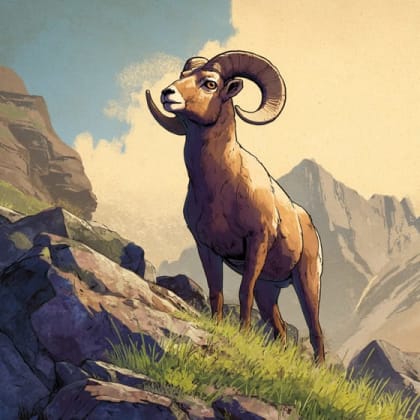





Bighorn Sheep

Nestled along the Montana-Wyoming border, Bighorn Canyon National Recreation Area unveils a spectacular landscape where dramatic canyon vistas meet an abundance of wildlife.
Nestled along the Montana-Wyoming border, Bighorn Canyon National Recreation Area unveils a spectacular landscape where dramatic canyon vistas meet an abundance of wildlife. This lesser-known gem, encompassing over 120,000 acres, is carved by the Bighorn River, now forming the 71-mile-long Bighorn Lake. Towering cliffs, some reaching 2,500 feet, showcase millions of years of geological history with their vibrant layers of tan, orange, and gray rock. It's a place of profound natural beauty and tranquility, offering an escape from crowded national parks and a chance to immerse oneself in the raw, untamed wilderness.
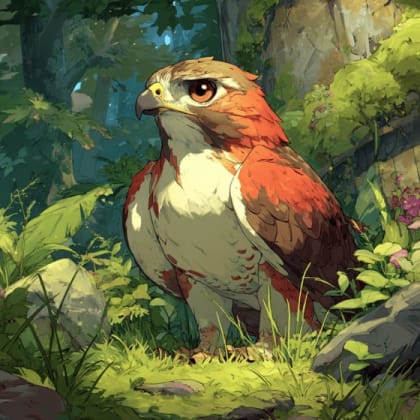
The recreation area is a haven for diverse flora and fauna, making it a paradise for nature enthusiasts and photographers. Keep an eye out for the majestic Bighorn Sheep, especially in the fall when they descend to lower elevations. The Pryor Mountain Wild Horse Range, America's first public wild horse range, is also located within the park, offering a unique opportunity to see these magnificent creatures, often congregating near the park entrance. Beyond the iconic large mammals, the park's varied habitats, including desert shrubland, juniper woodlands, and pine-fir forests, support a rich array of species such as the Common Sagebrush Lizard, Juniper Hairstreak, and various birds like the Red-tailed Hawk and American White Pelican, alongside a surprising diversity of plants like Curlleaf Mountain Mahogany and Plains Pricklypear.
Visiting Bighorn Canyon National Recreation Area promises memorable experiences, from exploring its pristine waters by boat or kayak to hiking its numerous trails, which range from short scenic walks to more challenging routes. Whether you're seeking solitude amidst breathtaking scenery, world-class fishing opportunities for trout and walleye, or a chance to witness wild horses and diverse wildlife in their natural habitat, Bighorn Canyon offers a unique blend of adventure and serene beauty that will captivate every visitor. Take the ultimate field guide with you: use the Snappit app to identify birds, plants, and animals on your trip.
Bighorn Canyon National Recreation Area was established by an act of Congress on October 15, 1966, following the completion of the Yellowtail Dam. This dam, named after the renowned Crow chairman Robert Yellowtail, harnessed the waters of the Bighorn River, transforming it into the expansive Bighorn Lake. The creation of the recreation area aimed to provide enjoyment for visitors while protecting the park's natural and cultural resources for future generations. The canyon boasts a rich history spanning at least 12,000 years, with archaeological evidence of human habitation. The ancient Bad Pass Trail, along the west side of the canyon, served as a passage for Indigenous peoples, including the Crow Nation, who consider Bighorn Canyon a sacred place and an inseparable part of their heritage. The area has seen various transformations, from being ancestral lands to becoming a significant site for exploration and ranching.
Boating, Kayaking, and Fishing: Bighorn Lake is ideal for these activities, with pontoon rentals and guided tours available. The Bighorn River below the Yellowtail Dam is world-class for trout fishing.
Hiking: Over 17 miles of trails are available, including Sullivan's Knob Trail for panoramic views and trails to historic ranches.
Wildlife Viewing: Look for Bighorn Sheep, wild horses, Black Bears, and over 200 bird species, including Red-tailed Hawks and American White Pelicans.
Historic Ranch Tours: Explore four historic ranches offering insights into 19th and early 20th-century settler life.
Spring (May-June): Wildflowers bloom, bighorn sheep lambs are visible, and wild horses are active. Morning hikes are best due to afternoon thunderstorms.
Summer (July-August): Peak for water activities, but very hot (up to 40°C in the canyon). Early mornings on the water and evening overlook visits are recommended.
Fall (September-October): Ideal with cooler temperatures, changing foliage, and active wildlife. Fewer crowds.
Winter (November-March): Cold temperatures (-10 to 2°C) with limited services, but the park remains open, offering different recreational opportunities.
Specific accessibility information regarding paved trails or wheelchair access is not readily available in the search results, but the Devil's Canyon Overlook has a paved path. Visitors should inquire at the visitor centers for detailed accessibility information.
Explore the 71-mile long lake with towering canyon walls, best viewed by boat.
Offers spectacular views of the Bighorn River and canyon.
Provides a glimpse into the area's pioneer history.
Spot wild horses, especially near Crooked Creek.
Each card links to a full Explore page with photos, traits, and fun facts.
Start with the big picture, then zoom in to explore individual wildlife observations around this place.
Divide and Conquer
The park has two districts (North in Montana, South in Wyoming) that are three hours apart by car. Plan your visit to focus on one district or allocate ample driving time if you wish to see both.
Visit Visitor Centers
Stop at the Cal S. Taggard Visitor Center in Lovell, WY, or the Yellowtail Dam Visitor Center in Fort Smith, MT, for maps, current conditions, and ranger insights.
Watch for Wildlife
Early mornings and late evenings are best for spotting animals like Bighorn Sheep, wild horses, and Black Bears. Drive carefully, especially on roads near wildlife areas.
Beat the Heat
If visiting in summer, plan water activities for early mornings and hikes for the cooler parts of the day. Afternoon thunderstorms are common in spring and summer.
Boating Essentials
If bringing your own boat, check Aquatic Invasive Species inspection requirements. Rentals and guided tours are available if you don't have one.
Pack for Solitude
The area offers solitude, which means limited services. Carry enough water, snacks, and other essentials, as gas stations and extensive amenities are scarce within the park.
Recent snaps will appear here as new observations are added.

Maryland, US
You might spot White-Tailed Deer and Eastern Gray Squirrel.
View guide →
.jpg)
District of Columbia, US
You might spot Eastern Gray Squirrel, Duck, and House Sparrow.
View guide →

Illinois, US
You might spot American Robin, Canada Goose, and House Sparrow.
View guide →

Virginia, US
You might spot Spotted Lanternfly and Northern Cardinal.
View guide →
Take the discovery with you
Identify the wildlife you spot, learn as you go, and keep a collection of the adventure.