.jpg&width=800)





Bushy-tailed Woodrat
Neotoma cinerea
The Bushy-tailed Woodrat is a small, furry animal with a long, bushy tail. They love to build nests out of sticks and leaves and are great at climbing trees!
Habitat: Forests
The Bushy-tailed Woodrat has soft, gray to brownish fur with a paler belly. Its most distinctive feature is its long, bushy tail, similar to a squirrel's but often flatter, which sets it apart from other rats.
Category
MammalsRarity
Common
Danger
2/5 · Low
Snaps
2
Bushy-tailed Woodrats rarely drink water; they get all they need from the plants they eat.
Their middens can be used by scientists to study past climates for hundreds of years!
These amazing climbers can scale cliffs and trees with incredible agility to find food or shelter.
They use different types of plants to scent-mark their territory and communicate with other woodrats.
Bushy-tailed Woodrats can construct massive stick houses called middens that protect them from predators and extreme weather.
Bushy-tailed Woodrats have an instinct to collect shiny, unusual objects, which they bring back to their dens for unknown reasons.
Bushy-tailed Woodrats have large eyes that help them navigate and find food in the dark, making them expert nocturnal explorers.
These woodrats are herbivores, munching on leaves, twigs, berries, and seeds from various plants.
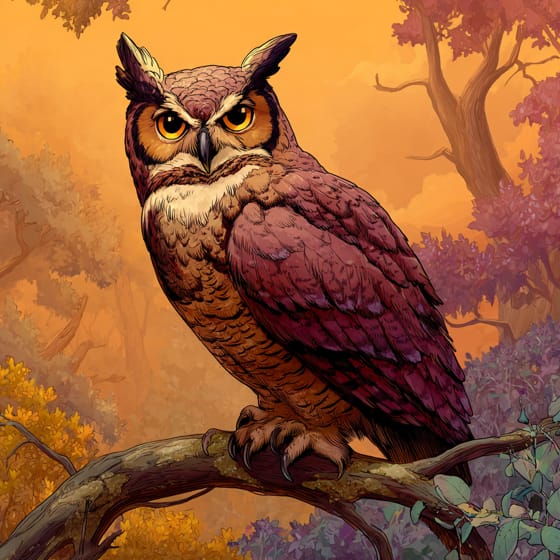
Bubo virginianus
A primary nocturnal predator of woodrats.
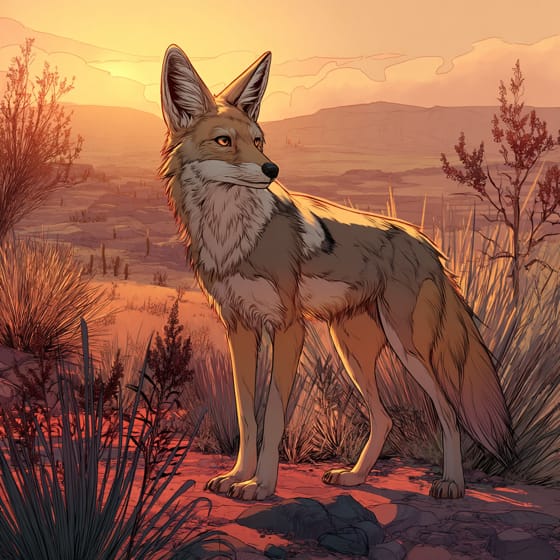
Canis latrans
Coyotes hunt woodrats in various habitats.
Pinus ponderosa
Woodrats feed on needles and seeds, and use its twigs for middens.

Crotalus viridis
Rattlesnakes may prey on young or adult woodrats.
Furry describes animals possessing a dense covering of soft hair or fur.
Social animals live in organized groups, cooperating for survival benefits such as foraging, defense, and raising offspring.
Arboreal animals live primarily in trees, utilizing them for shelter, food, and protection from predators.
This trait characterizes organisms whose diet consists entirely or primarily of plant material.

This trait describes organisms that manipulate external objects to achieve a specific goal.

Forest habitats are terrestrial environments dominated by dense tree cover, supporting a high diversity of plant and animal life.

Nocturnal animals are primarily active during the nighttime hours, typically resting or sleeping during the day.
Danger
2/5 · Low
Do not try to catch or touch wild animals. It's best to observe them from a distance.
The easiest way to identify Bushy-tailed Woodrat is to use the Snappit nature identifier app.
28-46 cm
0.2-0.6 kg
3-5 years
15 km/h
These woodrats are herbivores, munching on leaves, twigs, berries, and seeds from various plants.
Forests
Foraging
Zoom in to split clusters and explore where this object has been snapped.

Oregon, US
You might spot White Pasqueflower and Clark's Nutcracker.
View guide →

Washington, US
You might spot Ring-Billed Gull, Cackling Goose, and Black-Bellied Plover.
View guide →

Oregon, US
You might spot Clark's Nutcracker.
View guide →
Take the discovery with you
Snap it with Snappit to identify it, learn what makes it special, and add the discovery to your collection.




.jpg&width=800)


.JPG&width=800)


.jpg&width=800)
