





Valley Carpenter Bee
Xylocopa sonorina
The Valley Carpenter Bee is a big, fuzzy bee that loves to buzz around flowers. They are great at helping plants grow by spreading pollen as they visit flowers.
Habitat: Urban areas
The Valley Carpenter Bee is a large, robust bee with a striking appearance. Females are entirely glossy black, while males are covered in golden-orange fuzz and possess distinctive green eyes. This sexual dimorphism makes them visually unique among bees.
Category
InsectsRarity
Common
Danger
1/5 · Very low
Snaps
7
Male Valley Carpenter Bees are often called 'blonde bees' and cannot sting!
These bees are very important 'generalist' pollinators, visiting a huge variety of different plants!
They have a super long tongue called a proboscis to sip nectar from deep inside flowers!
They prefer to nest in untreated wood like old fence posts or tree stumps, not your house!
Valley Carpenter Bee can bore perfect tunnels into dead wood because of its powerful mandibles, creating safe nests.
Valley Carpenter Bee has the ability to vibrate its flight muscles rapidly to shake pollen from certain flowers, helping them reproduce.
Valley Carpenter Bee has a large, hairy body that efficiently collects and transfers pollen, helping many plants create seeds.
Valley Carpenter Bee males are fuzzy and golden with green eyes, while females are shiny black, helping them recognize mates.
These bees drink flower nectar for energy and collect pollen for their young to grow big and strong!
Cercis occidentalis
Helps this tree produce seeds by transferring pollen.
Salvia apiana
An important pollinator for this aromatic shrub.
Lupinus succulentus
Visits these vibrant flowers, aiding their reproduction.
.jpg&width=800)
Tyrannus vociferans
Adult bees can be prey for these insectivorous birds.
Furry describes animals possessing a dense covering of soft hair or fur.
Solitary animals live alone for most of their lives, only interacting with others for mating or parental care.
This trait characterizes organisms whose diet consists entirely or primarily of plant material.
Describes plants that are particularly attractive and beneficial to a wide range of pollinating organisms.

Diurnal animals are primarily active during daylight hours, typically resting or sleeping at night.

This habitat trait indicates species that can coexist with humans in urban and suburban environments, utilizing man-made structures and green spaces.

Describes organisms that transfer pollen, enabling the fertilization and reproduction of plants.
No aliases listed yet.
Danger
1/5 · Very low
Stay calm if you see a bee; they usually just want to collect pollen and won't bother you.
The easiest way to identify Valley Carpenter Bee is to use the Snappit nature identifier app.
30-40 mm
20-25 mm
250-400 days
18 km/h
These bees drink flower nectar for energy and collect pollen for their young to grow big and strong!
Urban areas
Foraging
Zoom in to split clusters and explore where this object has been snapped.

California, US
You might spot Horse-Fly Carpenter Bee and Anna's Hummingbird.
View guide →

California, US
You might spot Horse-Fly Carpenter Bee and Anna's Hummingbird.
View guide →

US
You might spot Creosote Bush, Great-Tailed Grackle, and Ocotillo.
View guide →

California, US
You might spot Pacific Tree Frog, Pipevine Swallowtail, and Bee.
View guide →

California, US
You might spot Eastern Fox Squirrel and Red-Tailed Hawk.
View guide →
California, US
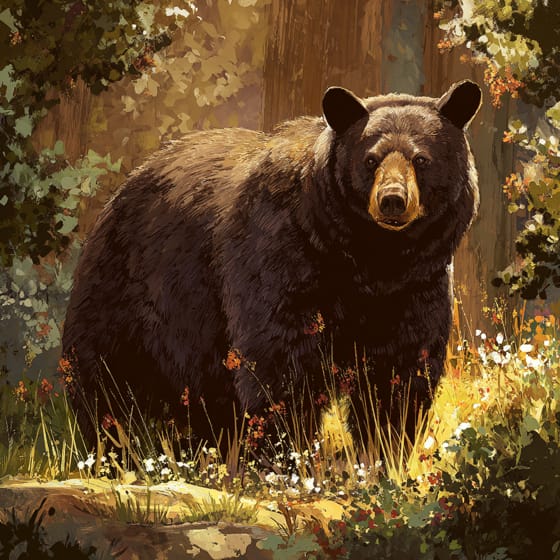
You might spot Black Bear, Brown Bear, and Cougar.
View guide →
Take the discovery with you
Snap it with Snappit to identify it, learn what makes it special, and add the discovery to your collection.






.jpg&width=800)




