





Varanus Rudicollis
varanus rudicollis
The Varanus Rudicollis is a fascinating lizard known for its unique and colorful appearance. These lizards are curious and can often be seen basking in the sun or exploring their surroundings.
Habitat: Tropical forests and savannas
The Varanus Rudicollis has a robust body, often dark brown to black, with small yellow or cream spots that create a reticulated pattern. Its most distinctive feature is the series of prominent, spiny, keeled scales around its neck, giving it a rough appearance. Its long, slender tail is prehensile and can be banded.
Category
ReptilesRarity
Common
Danger
2/5 · Low
Snaps
Be the first to snap!
Roughneck Monitors can climb almost straight up tree trunks using their strong claws.
Their tails are like a fifth limb, helping them balance and grasp branches securely.
They use their incredibly strong jaws to crack open the tough shells of insects.
When scared, they can inflate their bodies to look much bigger and more intimidating!
Varanus Rudicollis has spiky scales around its neck that protect them from predators and thorny branches.
Varanus Rudicollis can 'taste' the air with its forked tongue to find hidden prey or danger.
Varanus Rudicollis has powerful claws and a prehensile tail that helps them grip trees tightly while climbing.
These agile hunters love munching on insects, small reptiles, and bird eggs found high in the trees!
Sundamys muelleri
Preys on small rodents.
Orthotomus sutorius
Consumes eggs and nestlings.
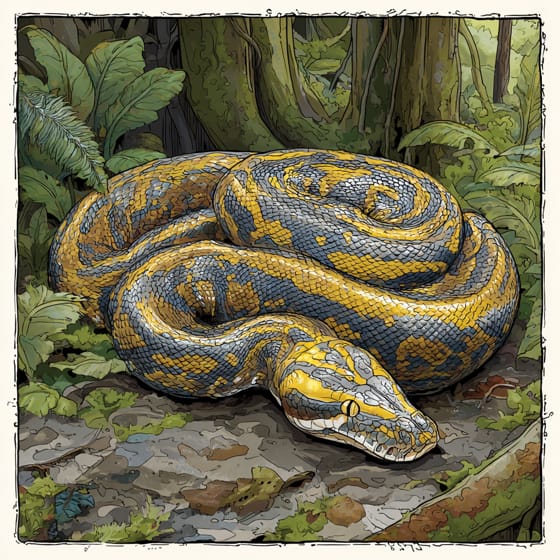
Python reticulatus
Juveniles are prey for large snakes.
Spilornis cheela
Eagles may prey on young monitors.
Solitary animals live alone for most of their lives, only interacting with others for mating or parental care.
Arboreal animals live primarily in trees, utilizing them for shelter, food, and protection from predators.
Colorful describes organisms or objects displaying a wide range of bright and distinct colors.
This trait identifies organisms whose diet consists entirely or primarily of animal tissue.

Diurnal animals are primarily active during daylight hours, typically resting or sleeping at night.
Danger
2/5 · Low
No special safety notes yet.
The easiest way to identify Varanus Rudicollis is to use the Snappit nature identifier app.
60-90 cm
0.5-2.5 kg
10-15 years
10 km/h
These agile hunters love munching on insects, small reptiles, and bird eggs found high in the trees!
Tropical forests and savannas
Ambush
Zoom in to split clusters and explore where this object has been snapped.
Recent snaps will appear here as new observations are added.
Take the discovery with you
Snap it with Snappit to identify it, learn what makes it special, and add the discovery to your collection.













