



Gray Ratsnake
Pantherophis spiloides
The Gray Ratsnake is a long, slender snake that can be gray or black with beautiful patterns. They are great climbers and often found in trees, making them fun to spot in nature!
Habitat: Forests
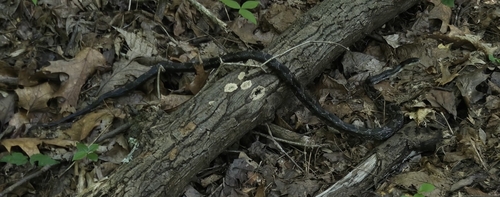
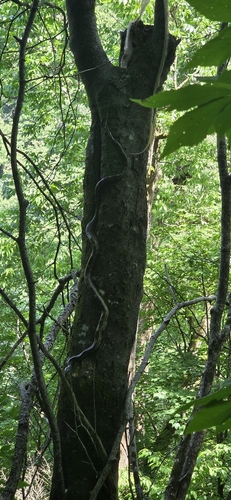
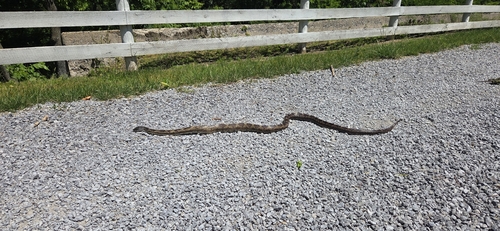
The Gray Ratsnake is a long, slender snake typically gray, olive, or brown with darker blotches or stripes down its back. Its chin and throat are usually white, contrasting with its darker body. Some adults in the northern parts of its range can appear almost entirely black.
Category
ReptilesRarity
Common
Danger
1/5 · Very low
Snaps
68
Some young Gray Ratsnakes look strikingly different, appearing blotched before turning mostly gray!
These clever snakes can hunt prey in total darkness using their excellent sense of smell!
They are expert "egg thieves," often raiding bird nests high in trees for a tasty meal!
When scared, they might form a strange kinked posture, looking just like a stick!
Gray Ratsnake can climb tall trees with ease because of its strong, keeled scales that provide excellent grip on rough bark.
Gray Ratsnake can squeeze its prey tightly because of its powerful muscular body that helps them overpower and swallow meals whole.
Gray Ratsnake can mimic a rattlesnake's sound by rapidly vibrating its tail when threatened, which helps them scare away predators.
Gray Ratsnake has subtle patterns and coloration that helps them blend into trees and rocky areas, making it hard to spot.
These powerful constrictors eat warm-blooded creatures and even eggs!
Age differences: Young snakes often eat small lizards and frogs, while adults primarily prefer rodents and birds.

Peromyscus leucopus
A primary food source, common in their forest habitat.
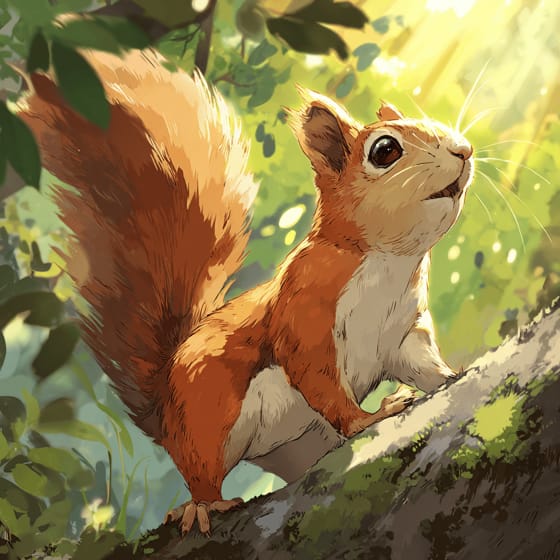
Sciurus carolinensis
Preys on both adults and young squirrels in trees.
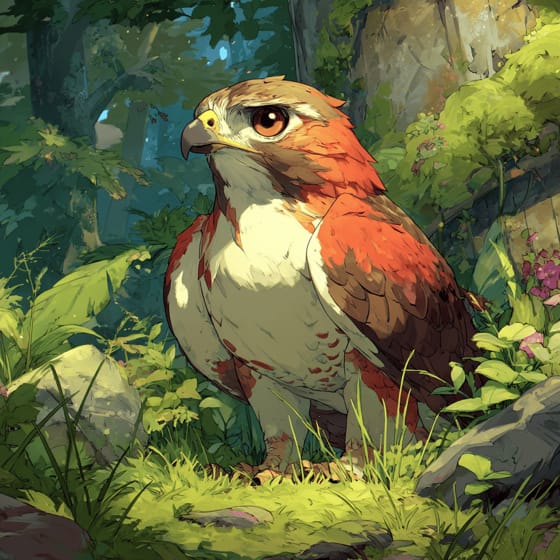
Buteo jamaicensis
Younger snakes are sometimes prey for large birds of prey.
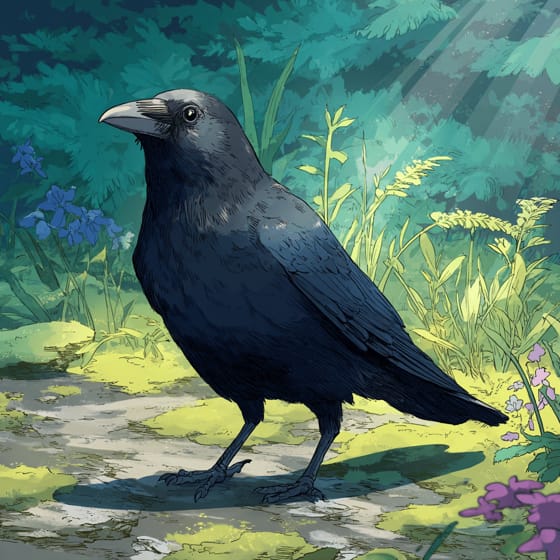
Corvus brachyrhynchos
Crows sometimes attack and eat juvenile snakes.
Marked with spots or patches of a different color.
Arboreal animals live primarily in trees, utilizing them for shelter, food, and protection from predators.
Camouflaged describes organisms that possess coloring or patterns that allow them to blend into their environment.
Forest habitats are terrestrial environments dominated by dense tree cover, supporting a high diversity of plant and animal life.

This trait identifies organisms whose diet consists entirely or primarily of animal tissue.

Diurnal animals are primarily active during daylight hours, typically resting or sleeping at night.
Danger
1/5 · Very low
If you see a snake, it's best to watch from a distance and not touch it.
The easiest way to identify Gray Ratsnake is to use the Snappit nature identifier app.
100-200 cm
0.5-2.5 kg
10-15 years
8 km/h
These powerful constrictors eat warm-blooded creatures and even eggs!
Forests
Ambush
Zoom in to split clusters and explore where this object has been snapped.
Jun 13, 2026
ConcordPhoto attribution
(c) Ben Gruhot, some rights reserved (CC BY)
License: CC BY 4.0 ↗
Image may be shown cropped inside the card frame.
May 16, 2026
Pleasant HillPhoto attribution
no rights reserved
License: CC0 1.0 ↗
Image may be shown cropped inside the card frame.
May 13, 2026
Pleasant HillPhoto attribution
no rights reserved
License: CC0 1.0 ↗
Image may be shown cropped inside the card frame.

Tennessee, US
You might spot House Sparrow, Northern Mockingbird, and Gulf Fritillary.
View guide →

Tennessee, US
You might spot Black Bear, Yellow Wakerobin, and Pipevine Swallowtail.
View guide →

South Carolina, US
You might spot American Alligator, Anole, and Great Blue Heron.
View guide →

Ohio, US
You might spot Large White Trillium, Fire Pink, and Christmas Fern.
View guide →

Alabama, US
You might spot American Beautyberry, White-Tailed Deer, and Peppervine.
View guide →

Tennessee, US
You might spot American Robin, Northern Cardinal, and Eastern Chipmunk.
View guide →
Take the discovery with you
Snap it with Snappit to identify it, learn what makes it special, and add the discovery to your collection.