





Variable Carpet Moth
Anticlea vasiliata
The Variable Carpet Moth is a small, fuzzy moth that loves to hide in soft places. Its wings can change colors, helping it blend in with its surroundings, making it a master of disguise!
Habitat: Urban areas
The Variable Carpet Moth is a small, stout-bodied moth with a wingspan of about 25-30mm. Its forewings display highly variable patterns, ranging from light brown or yellowish to mottled grey, often with distinct dark wavy lines or bands. This adaptability in coloration helps it blend seamlessly into different natural backgrounds.
Category
InsectsRarity
Common
Danger
1/5 · Very low
Snaps
4
Adult Variable Carpet Moths do not eat at all; they live off energy stored from their caterpillar stage!
Its caterpillars are called 'loopers' because they move by arching their bodies like a measuring tape!
The 'carpet' in its name comes from its family, Geometridae, whose larvae can sometimes be pests on plants.
Though nocturnal, these moths are often attracted to artificial lights, making them easier to spot!
Variable Carpet Moth has highly variable wing patterns that helps them perfectly camouflage against bark and leaves.
Variable Carpet Moths can fly effectively in low light conditions because of their large eyes, helping them find mates.
Variable Carpet Moths can release invisible pheromones to attract mates over long distances, even in the dark.
As caterpillars, they munch on leaves, but as adults, they don't eat at all!
Age differences: Caterpillars are herbivores, feeding on plant leaves. Adult moths do not feed.
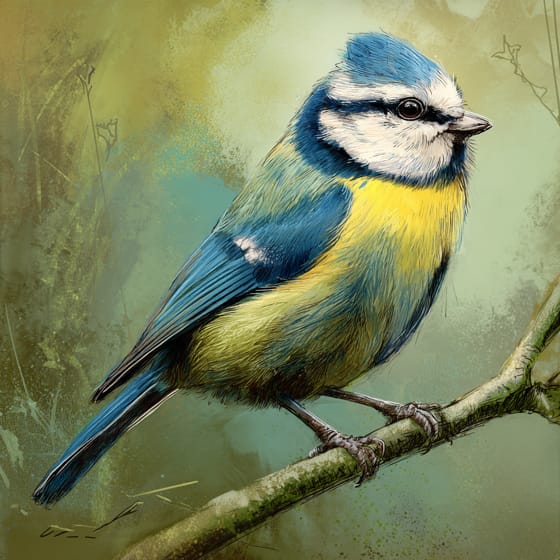
Cyanistes caeruleus
Birds actively hunt both moth caterpillars and adults.
Pipistrellus pipistrellus
Bats are nocturnal hunters and prey on flying adult moths.
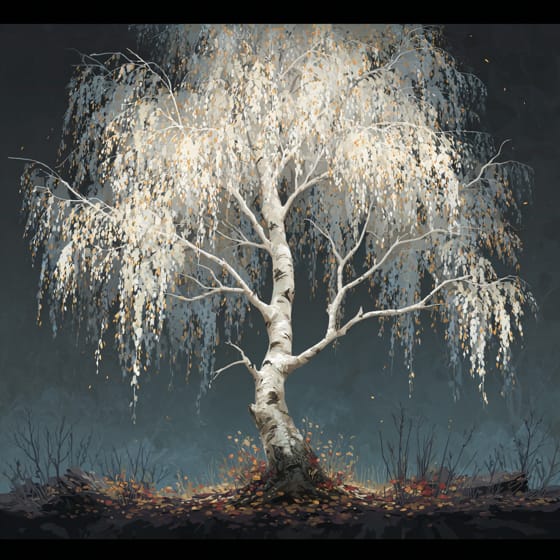
Betula pendula
Caterpillars feed on the leaves of this common tree species.
Salix caprea
The moth's larvae commonly consume the foliage of willow trees.
Furry describes animals possessing a dense covering of soft hair or fur.
Solitary animals live alone for most of their lives, only interacting with others for mating or parental care.
Camouflaged describes organisms that possess coloring or patterns that allow them to blend into their environment.
This trait characterizes organisms whose diet consists entirely or primarily of plant material.

This habitat trait indicates species that can coexist with humans in urban and suburban environments, utilizing man-made structures and green spaces.

Nocturnal animals are primarily active during the nighttime hours, typically resting or sleeping during the day.

Describes organisms that transfer pollen, enabling the fertilization and reproduction of plants.
No aliases listed yet.
Danger
1/5 · Very low
Moths are usually harmless, but it's best to watch them from a distance.
The easiest way to identify Variable Carpet Moth is to use the Snappit nature identifier app.
25-30 mm
10-15 mm
10-20 days
8 km/h
As caterpillars, they munch on leaves, but as adults, they don't eat at all!
Urban areas
Foraging
Zoom in to split clusters and explore where this object has been snapped.

US
You might spot Variable Carpet Moth, Bald Eagle, and Red Huckleberry.
View guide →

New Hampshire, US
You might spot American Toad, Hobblebush, and Eastern Hemlock.
View guide →

British Columbia, CA
You might spot Heartleaf Arnica, Douglas Fir, and Oregon Grape.
View guide →
Take the discovery with you
Snap it with Snappit to identify it, learn what makes it special, and add the discovery to your collection.







.jpg&width=800)




