





Variegated Lady Beetle
Hippodamia variegata
The Variegated Lady Beetle is a small, colorful bug that helps keep gardens healthy by eating pests. They have spots and stripes that make them look very pretty!
Habitat: Urban areas
The Variegated Lady Beetle has an oval, dome-shaped body, typically red or orange with many black spots that vary in size and number. Its most distinctive feature is an M- or W-shaped black marking behind its head on a white or pale yellow background, which helps distinguish it from other ladybugs.
Category
InsectsRarity
Common
Danger
1/5 · Very low
Snaps
7
Before becoming a beetle, its larva looks like a spiky, pest-eating mini-dragon!
Some lady beetles gather in huge groups, called aggregations, to survive winter's cold!
These beetles can survive extreme cold by producing a natural "antifreeze" in their bodies!
They were named "Our Lady's bird" by farmers grateful for their pest-eating help!
Variegated Lady Beetle can release a foul-smelling, yellow liquid from its legs because it contains toxic alkaloids that deter predators.
Variegated Lady Beetle can devour hundreds of aphids because it has powerful mandibles that help it crush soft-bodied pests.
Variegated Lady Beetle has the ability to play dead (thanatosis) that helps them trick predators into thinking they are not worth eating.
These beneficial beetles are insectivores that mostly eat tiny, soft-bodied plant pests like aphids.
Age differences: Larvae and adults share similar predatory diets.
Aphis gossypii
Keeps aphid populations in check on plants.
Dinocampus coccinellae
A tiny wasp lays an egg inside the beetle's body.
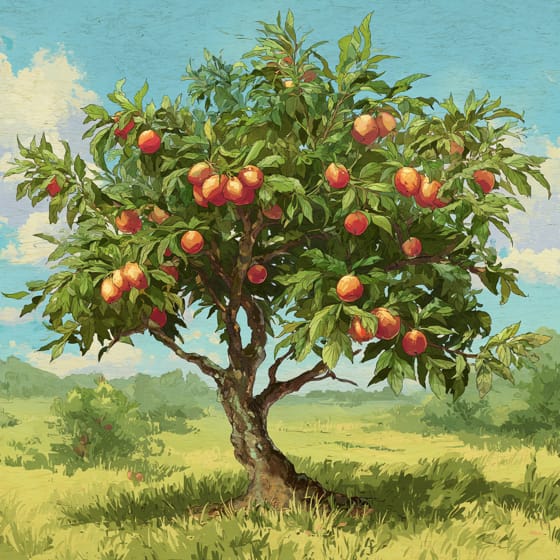
Prunus persica
Uses peach trees as a hunting ground for pests.
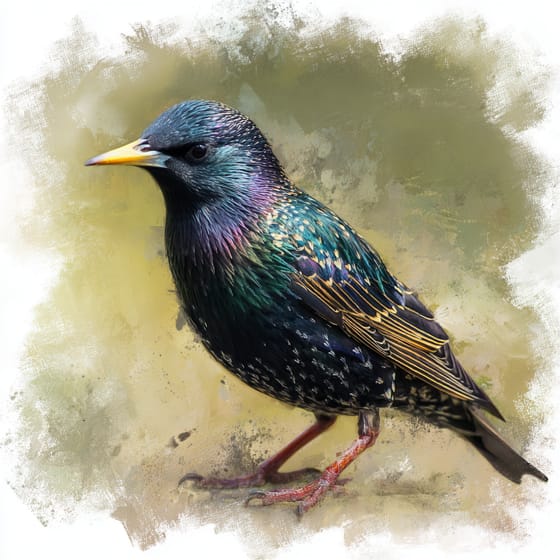
Sturnus vulgaris
Despite defenses, sometimes prey for birds.
Marked with spots or patches of a different color.
Marked with parallel bands or lines of color.
Solitary animals live alone for most of their lives, only interacting with others for mating or parental care.
Colorful describes organisms or objects displaying a wide range of bright and distinct colors.

This trait identifies organisms whose diet primarily consists of insects and other small invertebrates.

Diurnal animals are primarily active during daylight hours, typically resting or sleeping at night.

Describes a species whose presence and role have a disproportionately large effect on its environment.

This habitat trait indicates species that can coexist with humans in urban and suburban environments, utilizing man-made structures and green spaces.

Describes organisms that transfer pollen, enabling the fertilization and reproduction of plants.
No aliases listed yet.
Danger
1/5 · Very low
Lady beetles are friendly and safe to touch, but be gentle!
The easiest way to identify Variegated Lady Beetle is to use the Snappit nature identifier app.
6-10 mm
3-5 mm
30-90 days
3 km/h
These beneficial beetles are insectivores that mostly eat tiny, soft-bodied plant pests like aphids.
Urban areas
Foraging
Zoom in to split clusters and explore where this object has been snapped.

Connecticut, US
You might spot Downy Woodpecker and Eastern Gray Squirrel.
View guide →

Ohio, US
You might spot Duck, Canada Goose, and Muscovy Duck.
View guide →

New York, US
You might spot Garter Snake, Painted Turtle, and Monarch.
View guide →

New Jersey, US
You might spot Mountain Laurel, Pink Lady's Slipper, and Fowler's Toad.
View guide →

Ohio, US
You might spot Blue-Ringed Dancer, Bee, and American Rubyspot.
View guide →

Connecticut, US
You might spot Eastern Gray Squirrel, Bee, and Red Fox.
View guide →
Take the discovery with you
Snap it with Snappit to identify it, learn what makes it special, and add the discovery to your collection.








.jpg&width=800)


