




Vespillo Burying Beetle
Nicrophorus vespillo
The Vespillo Burying Beetle is a special insect that helps clean up the environment by burying dead animals. They are black with orange markings and are great at finding food to feed their babies.
Habitat: Forests
The Vespillo Burying Beetle is a striking insect, recognized by its shiny black body adorned with two prominent, wavy orange or reddish-orange bands across its wing covers. Its antennae have distinctive club-like tips. This beetle has a flattened, oval shape, making it visually distinct.
Category
InsectsRarity
Common
Danger
1/5 · Very low
Snaps
Be the first to snap!
Adult beetles sometimes chew up food and feed it directly to their begging larvae!
These beetles meticulously strip fur or feathers from buried animals before their babies arrive!
They roll some dead animals into a perfect ball to make them easier to bury underground!
Vespillo beetles can communicate with each other using special squeaking sounds called stridulation!
Vespillo Burying Beetle can rapidly excavate soil and bury small dead animals because this provides a safe, hidden nursery for its young.
Vespillo Burying Beetle has rare insect parental care that helps them feed and protect their larvae directly at the buried food source.
Vespillo Burying Beetle can detect decaying odors from afar because this helps them quickly locate suitable carcasses for their offspring.
Vespillo Burying Beetle can prepare carcasses to slow decomposition because this ensures a fresh food supply for their developing larvae.
These beetles eat decaying meat, providing a vital cleanup service in nature's ecosystem.
Age differences: Larvae are fed pre-digested carrion by parents, while adults scavenge for fresh carcasses.
Apodemus sylvaticus
Its dead body provides a crucial food source for the beetle.
%2C_Parc_de_Woluw%C3%A9%2C_Brussels_(13042792905).jpg&width=800)
Parus major
Dead fledglings of this bird provide nourishment for the beetles.

Sorex araneus
Shrews will actively hunt and eat burying beetles or larvae.
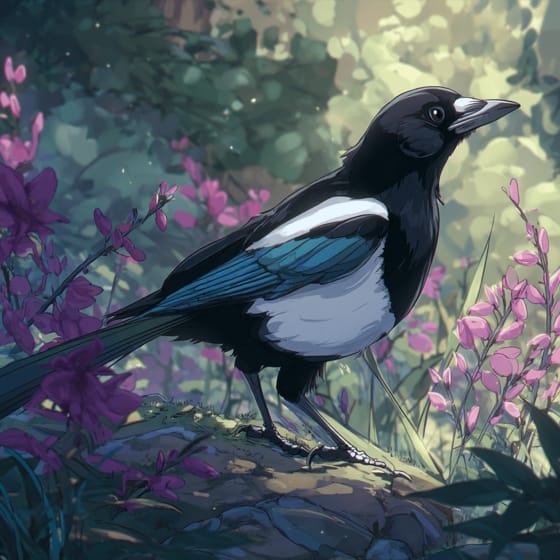
Pica pica
Magpies are omnivores that prey on various insects, including beetles.
Poecilochirus carabi
These mites ride on the beetle, helping remove fly eggs from carcasses.
Marked with spots or patches of a different color.
Social animals live in organized groups, cooperating for survival benefits such as foraging, defense, and raising offspring.
Scavengers consume dead organic matter, helping to decompose carcasses and other waste in the ecosystem.
Burrowing animals dig tunnels and chambers in the ground, using these subterranean structures for shelter, hunting, or breeding.

Colorful describes organisms or objects displaying a wide range of bright and distinct colors.

Describes organisms that break down dead organic material, recycling nutrients back into the ecosystem.

Forest habitats are terrestrial environments dominated by dense tree cover, supporting a high diversity of plant and animal life.

This trait identifies organisms whose diet consists entirely or primarily of animal tissue.

Describes a species whose presence and role have a disproportionately large effect on its environment.

Nocturnal animals are primarily active during the nighttime hours, typically resting or sleeping during the day.
No aliases listed yet.
Danger
1/5 · Very low
It's best to watch beetles from a distance and not touch them.
The easiest way to identify Vespillo Burying Beetle is to use the Snappit nature identifier app.
30-50 mm
12-22 mm
30-90 days
These beetles eat decaying meat, providing a vital cleanup service in nature's ecosystem.
Forests
Scavenging
6
Zoom in to split clusters and explore where this object has been snapped.
Recent snaps will appear here as new observations are added.
Take the discovery with you
Snap it with Snappit to identify it, learn what makes it special, and add the discovery to your collection.









.jpg&width=800)

