





Vestal
Rhodometra sacraria
The Vestal is a colorful moth that loves to flutter around at night. With its bright patterns, it can be found resting on leaves or flowers, making it a beautiful sight in gardens.
Habitat: Gardens
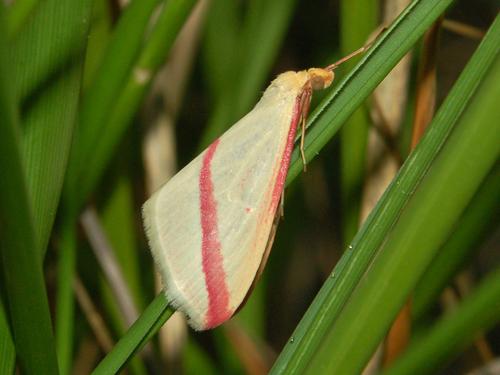
The Vestal is a small, delicate moth with creamy white to pale yellow wings. It has a distinctive diagonal reddish-brown stripe crossing each forewing, often extending to the wing tip. This stripe helps it stand out from other pale moths.
Category
InsectsRarity
Common
Danger
1/5 · Very low
Snaps
Be the first to snap!
Its scientific name, sacraria, means 'sacred' due to its pure, white appearance.
Look closely! The diagonal stripe on its wing almost looks like a tiny piece of string or a natural fold.
The caterpillars of the Vestal moth are masters of camouflage, often blending perfectly with the grass stems they eat.
Vestal moths are champion travelers, often migrating from warmer lands to cooler northern regions each year.
Vestal moths can blend perfectly with dry grass and sand because their pale wings and diagonal stripe mimic blades of straw.
Vestal moths have a long proboscis that helps them reach deep inside flowers to sip nectar, providing energy for flight.
Vestal moths are powerful fliers that can travel hundreds of miles to find new breeding grounds and warmer climates.
Caterpillars munch on various grasses, while adult moths sip sweet nectar from colorful flowers.
Age differences: Larvae feed on grass leaves, while adults exclusively drink nectar.
Pipistrellus pipistrellus
eats adult moths during nocturnal flights.
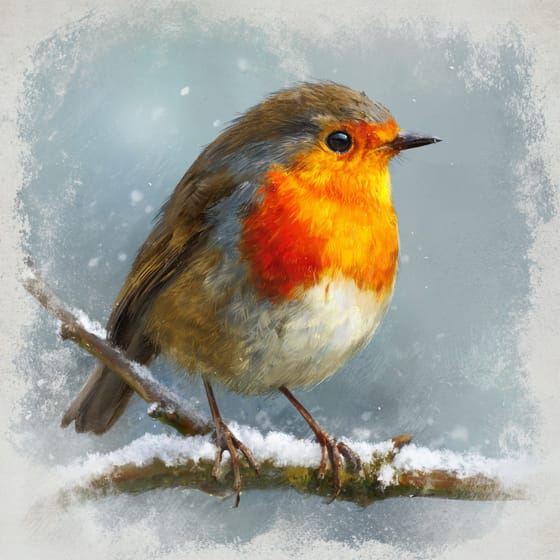
Erithacus rubecula
predates on adult moths, especially at dawn.

Poa annua
Vestal moth caterpillars feed on its leaves.

Trifolium repens
adult moths visit its flowers for nectar.
Colorful describes organisms or objects displaying a wide range of bright and distinct colors.
This trait characterizes organisms whose diet consists entirely or primarily of plant material.
Describes plants that are particularly attractive and beneficial to a wide range of pollinating organisms.
Nocturnal animals are primarily active during the nighttime hours, typically resting or sleeping during the day.

Describes organisms that transfer pollen, enabling the fertilization and reproduction of plants.
No aliases listed yet.
Danger
1/5 · Very low
Moths are usually harmless, but it's best to admire them without touching.
The easiest way to identify Vestal is to use the Snappit nature identifier app.
20-28 mm
10-15 mm
10-20 days
Caterpillars munch on various grasses, while adult moths sip sweet nectar from colorful flowers.
Gardens
Foraging
6
Zoom in to split clusters and explore where this object has been snapped.
Recent snaps will appear here as new observations are added.
Take the discovery with you
Snap it with Snappit to identify it, learn what makes it special, and add the discovery to your collection.








.jpg&width=800)



