.jpg&width=800)





Vietnamese Mossy Frog
Theloderma corticale
The Vietnamese Mossy Frog is a special frog that looks like a little green rock! It loves to hide in the moss and trees of its home, making it hard to spot.
Habitat: Forests
The Vietnamese Mossy Frog has bumpy, textured skin, a flattened body, and green, brown, and black splotches that mimic moss and lichen. It sports striking large red eyes with black pupils, which visually differentiate it from many other frogs.
Category
AmphibiansRarity
Rare
Danger
1/5 · Very low
Snaps
Be the first to snap!
Their skin texture is so effective, it's inspired military camouflage designs!
Their strange croaking sounds are often compared to quacking ducks or even barking dogs!
They 'play dead' when threatened, lying still until danger passes!
Unlike many frogs, they lay their eggs *above* water, on rocks or plants!
Vietnamese Mossy Frog has super bumpy skin that helps them blend perfectly with moss and rocks.
Vietnamese Mossy Frog can cling to wet, smooth surfaces because of special toe pads that help them climb.
Vietnamese Mossy Frog has a flattened body that helps them tuck into crevices and disappear from sight.
Vietnamese Mossy Frog has large, red eyes that help them see in dim light for nighttime hunting.
These sneaky predators gobble up small insects and other tiny creatures they catch in their forest homes.
Rhabdophis subminiatus
Eats amphibians near their forest habitats.
Ninox scutulata
Hunts small animals, including frogs, at night.
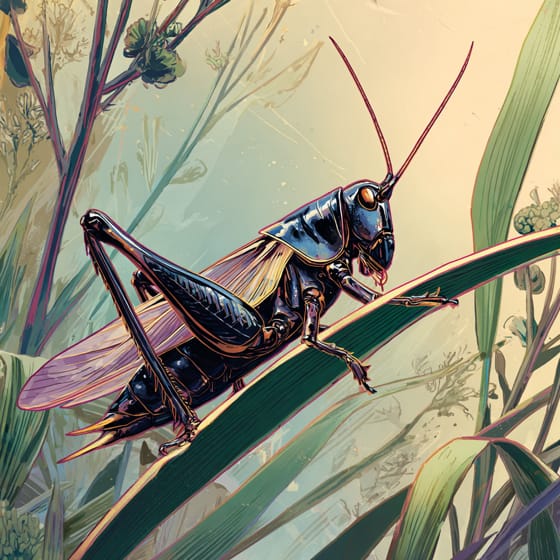
Gryllus bimaculatus
Hunts and consumes crickets as a primary food source.
Solitary animals live alone for most of their lives, only interacting with others for mating or parental care.
Camouflaged describes organisms that possess coloring or patterns that allow them to blend into their environment.
This trait identifies organisms whose diet primarily consists of insects and other small invertebrates.
An ambush predator hunts by patiently waiting and concealing itself, then launching a sudden attack when unsuspecting prey comes within range.

Forest habitats are terrestrial environments dominated by dense tree cover, supporting a high diversity of plant and animal life.

Nocturnal animals are primarily active during the nighttime hours, typically resting or sleeping during the day.

Endangered status indicates a species is at a very high risk of extinction in the wild in the near future.
No aliases listed yet.
Danger
1/5 · Very low
Always look but don't touch frogs in the wild; they need to stay safe in their homes.
The easiest way to identify Vietnamese Mossy Frog is to use the Snappit nature identifier app.
6-8 cm
0.01-0.03 kg
5-10 years
1.5 km/h
These sneaky predators gobble up small insects and other tiny creatures they catch in their forest homes.
Forests
Ambush
Zoom in to split clusters and explore where this object has been snapped.
Recent snaps will appear here as new observations are added.
Take the discovery with you
Snap it with Snappit to identify it, learn what makes it special, and add the discovery to your collection.








.JPG&width=800)


.jpg&width=800)

