.jpg&width=800)





Wasmann's Harvester Ant
Messor wasmanni
Wasmann's Harvester Ants are tiny helpers in nature! They gather seeds and take them back to their nests. These ants work together to build their homes and find food.
Habitat: Grasslands
The Wasmann's Harvester Ant has a sturdy body, typically dark reddish-brown to black in color. Its head is noticeably large with powerful jaws, especially in larger workers, and its abdomen is often shiny. Workers vary significantly in size, a visual trait that sets them apart.
Category
InsectsRarity
Common
Danger
2/5 · Low
Snaps
Be the first to snap!
A single colony can have thousands of ants, all working together.
Ants don't have ears; they feel vibrations through their feet to hear!
Their colonies have special 'seed rooms' for storing their food harvest.
They communicate using invisible scent trails for their friends to follow.
Wasmann's Harvester Ant can collect and carry seeds much larger than itself because of its strong mandibles and teamwork.
Wasmann's Harvester Ant has powerful, specialized jaws that help them crack open tough seed husks to access the nutritious insides.
Wasmann's Harvester Ant can dig complex, multi-chambered nests deep underground that help them store seeds and regulate temperature.
These ants mainly eat seeds, but also snack on dead insects for extra nutrients!
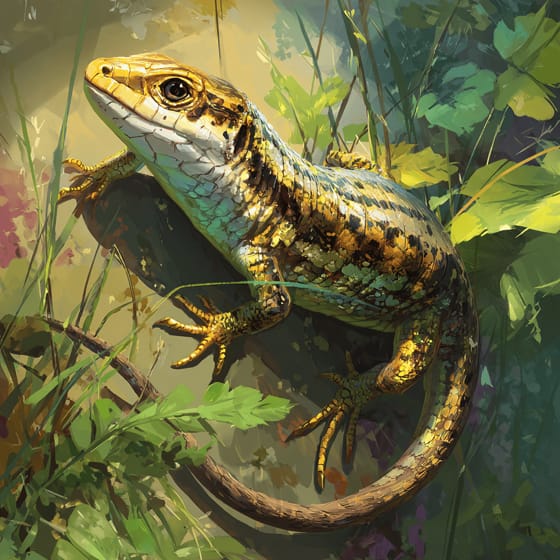
Podarcis muralis
Lizards often prey on foraging worker ants.

Merops apiaster
Bee-eaters consume flying ants during mating flights.
Cistus creticus
Ants collect and disperse its seeds, aiding plant growth.

Plantago lanceolata
The ants harvest and disperse its seeds, helping its spread.
Social animals live in organized groups, cooperating for survival benefits such as foraging, defense, and raising offspring.
Grassland habitats are terrestrial biomes dominated by grasses and herbaceous plants, supporting a variety of grazing animals.
This trait characterizes organisms whose diet consists entirely or primarily of plant material.
Describes a species whose presence and role have a disproportionately large effect on its environment.

Pertaining to species that are significantly smaller than typical or average for their kind.

Describes organisms that transfer pollen, enabling the fertilization and reproduction of plants.
No aliases listed yet.
Danger
2/5 · Low
Be careful not to disturb ant nests, as they can bite if they feel threatened.
The easiest way to identify Wasmann's Harvester Ant is to use the Snappit nature identifier app.
3-10 mm
180-365 days
These ants mainly eat seeds, but also snack on dead insects for extra nutrients!
Grasslands
Foraging
6
10000
Zoom in to split clusters and explore where this object has been snapped.
Recent snaps will appear here as new observations are added.
Take the discovery with you
Snap it with Snappit to identify it, learn what makes it special, and add the discovery to your collection.







.jpg&width=800)



