





wax currant
Ribes cereum
The wax currant is a small shrub that grows tasty, sweet berries. These berries are often covered in a waxy coating, which helps keep them fresh and delicious for animals and people to enjoy!
Habitat: Forests
The wax currant has distinctive, rounded leaves covered in a waxy, sticky resin, giving them a dull, greenish-gray hue. Its small, tubular flowers range from pinkish-white to pale red, maturing into shiny red or orange berries.
Category
PlantsRarity
Common
Danger
1/5 · Very low
Snaps
6
Its name "cereum" means "waxy," just like a crayon!
Many native bee species absolutely love its tiny, tube-shaped flowers!
Some birds use its dense branches for safe, cozy nesting spots!
You can smell its unique, spicy scent just by touching its leaves!
The wax currant has sticky, waxy leaves that help it store water and survive in dry, arid environments.
It can produce a strong, resinous scent from its leaves, which helps deter hungry animals from nibbling on it.
This plant grows bright red berries, acting like a beacon to birds, who then help spread its seeds far and wide.
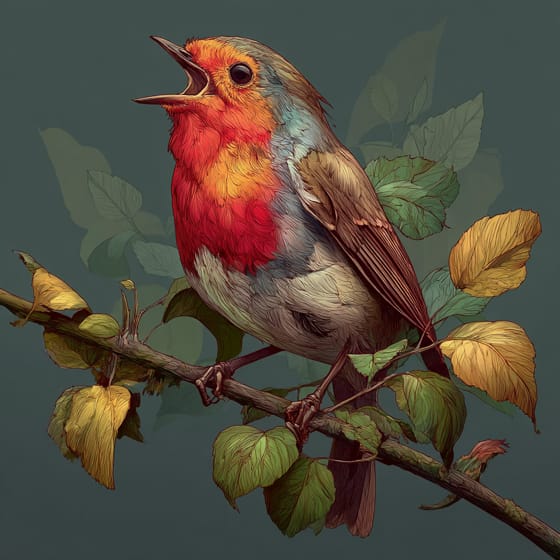
Turdus migratorius
Feeds on its ripe, juicy berries.
Bombus bifarius
Visits the small, tubular flowers for nectar.
Ursus americanus
Consumes its sweet berries when available.
A shrub is a woody plant smaller than a tree, typically with multiple stems branching from or near the ground.
Fruit-bearing plants produce fruits, which are the mature ovaries of flowering plants containing seeds.
Edible plants are those parts of a plant that are considered safe for human consumption.
Describes plants that are particularly attractive and beneficial to a wide range of pollinating organisms.

Forest habitats are terrestrial environments dominated by dense tree cover, supporting a high diversity of plant and animal life.
No aliases listed yet.
Danger
1/5 · Very low
Always check with an adult before eating any wild berries.
The easiest way to identify wax currant is to use the Snappit nature identifier app.
50-200 cm
100-200 cm
0.5-1 cm
Spring to early summer
Yes
None
Perennial
Zoom in to split clusters and explore where this object has been snapped.

Utah, US
You might spot Common Golden-Mantled Ground Squirrel and Steller's Jay.
View guide →

Utah, US
You might spot Common Golden-Mantled Ground Squirrel and Steller's Jay.
View guide →

Colorado, US
You might spot Great Basin Bristlecone Pine and Mule Deer.
View guide →

British Columbia, CA
You might spot Oregon Grape, Shinyleaf Meadowsweet, and Bush Penstemon.
View guide →

Colorado, US
You might spot Great Basin Bristlecone Pine and Mule Deer.
View guide →

Washington, US
You might spot Arrowleaf Balsamroot and Canada Goose.
View guide →
Take the discovery with you
Snap it with Snappit to identify it, learn what makes it special, and add the discovery to your collection.








.jpg&width=800)



_001.jpg&width=800)



