





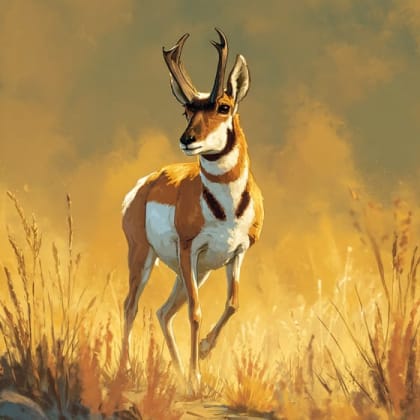
Mule Deer

Bryce Canyon National Park offers an unparalleled landscape of vibrant geological formations.
Bryce Canyon National Park offers an unparalleled landscape of vibrant geological formations.
This stunning historic district, nestled in southern Utah, is renowned for its unique geological structures called hoodoos, which are tall, thin spires of rock carved by millions of years of erosion. It encompasses a collection of natural amphitheaters, making it a spectacular destination for hikers and nature enthusiasts seeking extraordinary views and a profound connection with nature. The scenic trails wind through these surreal formations, showcasing a breathtaking palette of red, orange, pink, and white hues that change with the sunlight throughout the day.
Key highlights include iconic trails like the Navajo Loop and Queen's Garden Trail, which descend into the amphitheater, allowing for an intimate experience with the hoodoos. Visitors can marvel at famous formations such as Thor's Hammer, Silent City, and Queen Victoria, or explore the Bristlecone Loop for ancient trees. The park is also home to a diverse array of wildlife, including mule deer, Utah prairie dogs, golden-mantled ground squirrels, and various bird species like Steller's Jays and Golden Eagles, adding a dynamic element to the already stunning scenery.
Bryce Canyon National Park Scenic Trails Historic District promises an unforgettable adventure, combining dramatic geological wonders with opportunities for hiking, photography, and stargazing. Its high elevation offers cooler temperatures than neighboring parks, providing a pleasant escape, especially during summer months. Whether witnessing a sunrise painting the hoodoos in fiery colors or exploring the intricate trails below the rim, the park leaves a lasting impression of nature's artistry and power. Enhance your adventure: download the Snappit app to identify the local species you encounter.
Bryce Canyon is not a true canyon but rather a series of natural amphitheaters carved into the eastern edge of the Paunsaugunt Plateau. The geological story began over 60 million years ago with the deposition of sedimentary rocks, which were later uplifted as part of the Colorado Plateau. The park's distinctive hoodoos were primarily formed through frost wedging, where water freezing and expanding in rock cracks gradually broke apart the softer rock layers, leaving behind the more resistant spires. The area was first designated as a national monument on June 8, 1923, and later re-designated as Utah National Park on June 7, 1924, before officially becoming Bryce Canyon National Park on February 25, 1928. The historic trail system within the park allows visitors to experience these ancient geological processes up close, preserving both the natural and cultural heritage of the area.
Hiking: Explore trails like Navajo Loop, Queen's Garden, Peekaboo Loop, or the longer Fairyland Loop.
* **Scenic Driving: ** Drive the main park road, stopping at various overlooks to admire the hoodoos.
* **Stargazing: ** Bryce Canyon is an International Dark Sky Park, offering excellent opportunities for night sky viewing and ranger-led astronomy programs.
* **Ranger Programs: ** Attend geology talks, rim walks, or evening programs for deeper insights into the park's natural and cultural history.
* **Horseback Riding: ** Guided trail rides allow for a unique perspective of the canyon below the rim.
Spring (March-May): Wildflowers begin to bloom, and fewer crowds are present. Weather can be unpredictable, with chances of snowstorms, especially in early spring.
Summer (June-August): Pleasant temperatures (60-80°F), but afternoon thunderstorms are common, which can bring heavy rain and lightning. Crowds are at their peak.
Fall (September-November): Milder temperatures, vibrant foliage, and decreasing crowds. Snowfall is possible later in the season.
Winter (December-February): Cold temperatures (highs in 30s, lows in teens) with significant snowfall, creating stunning snow-dusted hoodoo landscapes. Some roads may close temporarily due to snow.
Bryce Canyon National Park offers several accessible features. The Visitor Center has ramps, accessible restrooms, and a lowered information desk. Many viewpoint parking lots provide handicapped spaces and ramps. A 0.5-mile section of the Rim Trail between Sunset and Sunrise Points is wheelchair accessible and paved. The park shuttle system is wheelchair-accessible and can accommodate up to two wheelchairs with powered lifts. Additionally, some accessible lodge rooms and campsites are available.
Sunrise Point, Sunset Point, Inspiration Point, and Bryce Point offer panoramic views of the densest concentration of hoodoos.
This popular trail descends into the canyon, offering an up-close look at formations like Wall Street and Thor's Hammer.
Starting from Sunrise Point, this trail leads visitors among hoodoos, including the "Queen Victoria" formation.
A relatively easy, mostly paved trail connecting several viewpoints along the canyon rim, offering spectacular views without significant elevation change.
Each card links to a full Explore page with photos, traits, and fun facts.
Start with the big picture, then zoom in to explore individual wildlife observations around this place.
Arrive early, especially in summer
Parking at popular lots fills quickly, and early mornings offer the best light for photography and fewer crowds.
Bring plenty of water and wear layers
Bryce Canyon's high elevation (8,000 to 9,100 feet) means you dehydrate faster and weather can change quickly, requiring adaptable clothing.
Utilize the free park shuttle
During peak season (typically April-October), the shuttle provides convenient access to popular viewpoints and trails, reducing parking hassles.
Do not feed wildlife
Feeding animals can harm their health and make them aggressive towards visitors. Observe all wildlife from a safe distance.
Plan for sunrise
While sunsets are beautiful, the east-facing amphitheater is particularly spectacular at sunrise when the hoodoos glow with dramatic light.
Consider visiting in winter for a unique experience: The snow-covered hoodoos offer a truly magical and less crowded scene, but be prepared for cold temperatures and potential road closures.
Jun 16, 2026
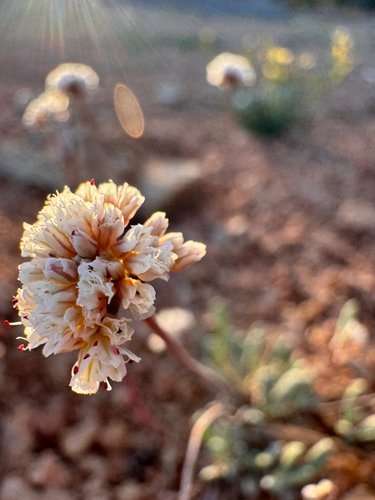
Photo attribution
(c) Kenzie Anderson-Bell, some rights reserved (CC BY)
License: CC BY 4.0 ↗
Image may be shown cropped inside the card frame.
May 24, 2026
Photo attribution
(c) Jack Byrley, some rights reserved (CC BY)
License: CC BY 4.0 ↗
Image may be shown cropped inside the card frame.
Jun 18, 2026
Jun 18, 2026
Jun 17, 2026

Maryland, US
You might spot White-Tailed Deer and Eastern Gray Squirrel.
View guide →
.jpg)
District of Columbia, US
You might spot Eastern Gray Squirrel, Duck, and House Sparrow.
View guide →

Illinois, US
You might spot American Robin, Canada Goose, and House Sparrow.
View guide →

Virginia, US
You might spot Spotted Lanternfly and Northern Cardinal.
View guide →
Take the discovery with you
Identify the wildlife you spot, learn as you go, and keep a collection of the adventure.



























.jpg&width=800)