





Western Chorus Frog
Pseudacris triseriata
The Western Chorus Frog is a small, lively frog that loves to hop around in wetlands and grassy areas. They have a special call that sounds like a chorus of music, especially in springtime!
Habitat: Wetlands
The Western Chorus Frog is a small, slender amphibian, typically grey, brown, or olive-green. It has three dark stripes down its back, which may be broken into spots, and a distinctive dark stripe through each eye. A white stripe often runs along its upper lip.
Category
AmphibiansRarity
Common
Danger
1/5 · Very low
Snaps
3
Even in freezing temperatures, a special natural 'antifreeze' in their blood protects their cells.
Their unique call sounds exactly like a thumb running along the teeth of a comb!
These tiny frogs can be found living much further east than their 'Western' name suggests!
Young tadpoles munch on algae, acting like tiny pond cleaners before they become froglets!
Western Chorus Frog can survive freezing solid during winter because of special compounds in its blood that prevent cell damage.
Western Chorus Frog has a loud, comb-like call that helps them find mates in noisy wetlands, even from far away.
Western Chorus Frog can lighten or darken its skin color to perfectly match its surroundings, helping it hide from predators.
These tiny frogs feast on small insects and spiders found in their wet habitats.
Age differences: Tadpoles eat algae and detritus, while adults are carnivores eating small invertebrates.
Thamnophis sirtalis
Snakes are common predators, ambushing frogs near water.
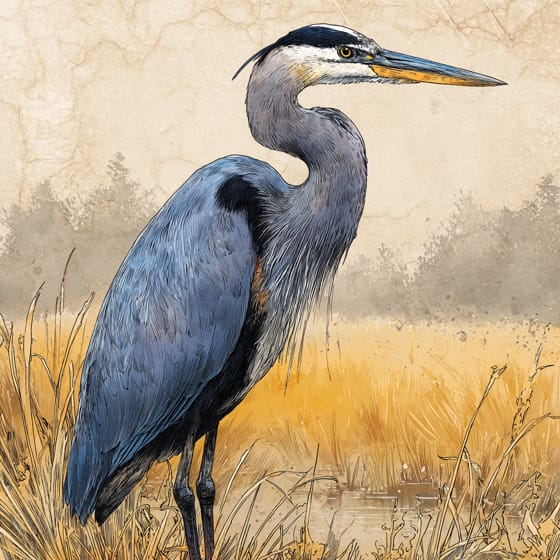
Ardea herodias
Large wading birds will hunt frogs in shallow waters.
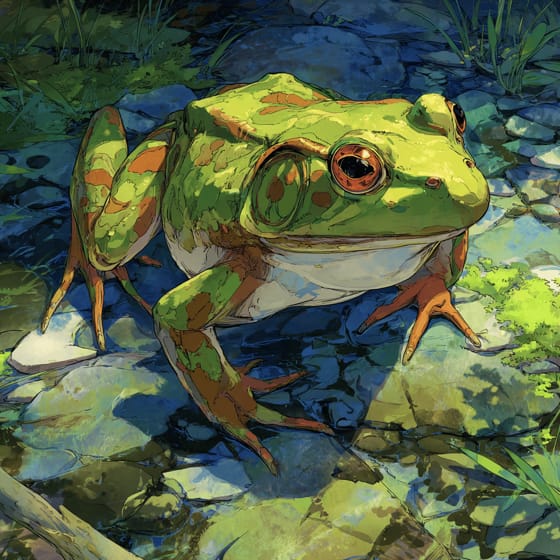
Lithobates catesbeianus
Larger frogs are opportunistic predators of smaller amphibians.
Formica fusca
Frogs actively hunt ants and other small ground-dwelling insects.
Culex pipiens
Adult frogs catch mosquitoes, helping control insect populations.
Social animals live in organized groups, cooperating for survival benefits such as foraging, defense, and raising offspring.
Singing animals produce complex vocalizations, often for purposes of attracting mates, defending territory, or communicating within their species.
Camouflaged describes organisms that possess coloring or patterns that allow them to blend into their environment.
This trait identifies organisms whose diet primarily consists of insects and other small invertebrates.

This habitat trait identifies species found in wetlands, which are areas of land saturated with water, either permanently or seasonally, including marshes, swamps, and bogs.

Diurnal animals are primarily active during daylight hours, typically resting or sleeping at night.

Pertaining to species that are significantly smaller than typical or average for their kind.

Threatened status denotes a species likely to become endangered in the foreseeable future without effective conservation interventions.

Describes organisms that transfer pollen, enabling the fertilization and reproduction of plants.
Danger
1/5 · Very low
Always watch frogs from a distance and don't touch them, as they can be delicate.
The easiest way to identify Western Chorus Frog is to use the Snappit nature identifier app.
1.9-3.8 cm
0.001-0.005 kg
1-3 years
0.5 km/h
These tiny frogs feast on small insects and spiders found in their wet habitats.
Wetlands
Ambush
Zoom in to split clusters and explore where this object has been snapped.

Ohio, US
You might spot Blue-Fronted Dancer, American Rubyspot, and Fowler's Toad.
View guide →

Ohio, US
You might spot Toadshade, Virginia Springbeauty, and Dutchman's Breeches.
View guide →
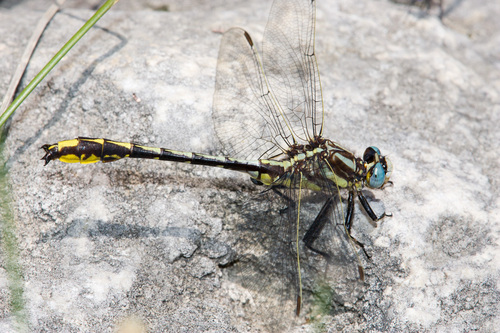
Ohio, US
You might spot Pronghorn Clubtail, Lark Sparrow, and Royal River Cruiser.
View guide →
Take the discovery with you
Snap it with Snappit to identify it, learn what makes it special, and add the discovery to your collection.








.JPG&width=800)



.jpg&width=800)

