.jpg&width=800)





Plains Leopard Frog
Lithobates blairi
The Plains Leopard Frog is a fun and spotted little frog that loves to hop around in the grass. It has a special green and brown pattern that helps it hide from predators in the wild.
Habitat: Wetlands
The Plains Leopard Frog is typically green to brownish-green with numerous distinct dark, rounded spots that often have a lighter halo around them. Its smooth skin and light stripe running along its upper jaw help distinguish it from similar spotted frogs.
Category
AmphibiansRarity
Common
Danger
1/5 · Very low
Snaps
4
No two Plains Leopard Frogs have the exact same spot pattern—they're unique!
Plains Leopard Frogs can survive freezing temperatures by producing a natural antifreeze!
They play a super important role, helping keep insect populations in check!
They use their eyeballs to help push food down their throats after catching it!
Plains Leopard Frog has a unique spot pattern that helps them blend perfectly into marshy grasses and muddy banks, hiding from predators.
Plains Leopard Frog can launch itself many times its body length because of strong hind legs, helping them escape danger rapidly.
Plains Leopard Frog can absorb oxygen through its moist skin, which helps them stay underwater longer and breathe on land.
Plains Leopard Frog makes a unique snoring-like call that helps them attract mates and communicate with other frogs in their habitat.
These hungry frogs munch on various insects and small invertebrates they catch with their sticky tongues.
Age differences: Tadpoles eat algae and detritus; adults are carnivores.
Thamnophis sirtalis
A common predator in their grassland and wetland habitats.
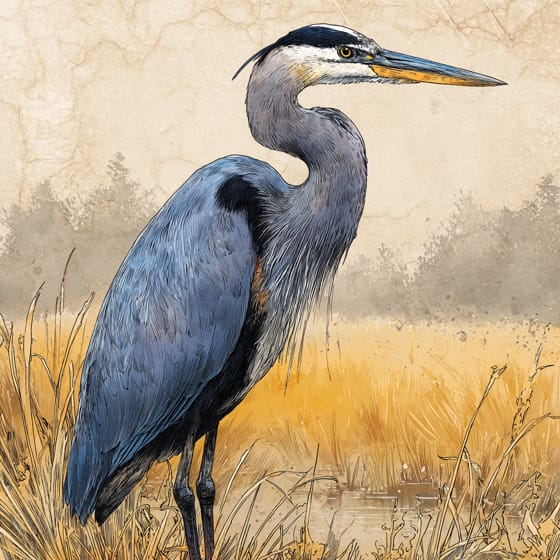
Ardea herodias
These large birds hunt frogs from shallow water.

Gryllus pennsylvanicus
A common insect found in their grassland habitat, providing food.
Musca domestica
Often found near water sources, they are an easy meal for frogs.
Marked with spots or patches of a different color.
Solitary animals live alone for most of their lives, only interacting with others for mating or parental care.
Camouflaged describes organisms that possess coloring or patterns that allow them to blend into their environment.
This trait identifies organisms whose diet primarily consists of insects and other small invertebrates.

This habitat trait identifies species found in wetlands, which are areas of land saturated with water, either permanently or seasonally, including marshes, swamps, and bogs.

This trait identifies organisms whose diet consists entirely or primarily of animal tissue.

Diurnal animals are primarily active during daylight hours, typically resting or sleeping at night.

This trait identifies organisms that exhibit exceptional swiftness in movement for hunting, escape, or travel.
No aliases listed yet.
Danger
1/5 · Very low
Always wash your hands after touching frogs, as they can have sensitive skin.
The easiest way to identify Plains Leopard Frog is to use the Snappit nature identifier app.
5-11 cm
0.01-0.06 kg
2-5 years
10 km/h
These hungry frogs munch on various insects and small invertebrates they catch with their sticky tongues.
Wetlands
Ambush
Zoom in to split clusters and explore where this object has been snapped.

Texas, US
You might spot Silverleaf Nightshade and Green Comet Milkweed.
View guide →

Texas, US
You might spot Christmas Cholla, Dakota Mock Vervain, and Honey Mesquite.
View guide →

New Mexico, US
You might spot Sunflower, Sideoats Grama, and Tree Cholla.
View guide →

Nebraska, US
You might spot Monarch, Black Swallowtail, and European Mantis.
View guide →
Take the discovery with you
Snap it with Snappit to identify it, learn what makes it special, and add the discovery to your collection.








.JPG&width=800)



.jpg&width=800)

