


Wild Lupine
Maumee State Forest offers a captivating escape into a globally rare ecosystem.
Maumee State Forest offers a captivating escape into a globally rare ecosystem. This unique protected forest, spanning over 3,300 acres in northwest Ohio, lies entirely within the extraordinary Oak Openings Region. Its distinctive sandy soils, ancient oak savannas, and diverse plant communities make it a critical refuge for over a third of Ohio's rare plant and animal species.
Visitors can explore a rich tapestry of habitats, from dense woodlands and reforested pine plantations to open prairies and wet-sedge meadows. The 2-mile self-guided Stewardship Trail provides insights into sustainable forest management, while miles of unmarked firelanes invite hikers to discover the forest's hidden gems. Birdwatchers will delight in the nearly 150 documented bird species, including migrating songbirds and raptors like the Northern Harrier and Short-eared Owl.
Whether you're seeking tranquil nature walks, an adventurous off-road experience, or a chance to observe unique flora and fauna, Maumee State Forest delivers a memorable outdoor experience. Its rich biodiversity and commitment to ecological restoration make it a vital natural treasure and a must-visit for nature enthusiasts. Turn your visit into a safari! Use the Snappit app to scan and log wildlife sightings here.
Maumee State Forest's distinctive landscape is a direct result of the last Wisconsin glacier, which retreated approximately 18,000 years ago. This glacial activity left behind sandy soils and created the unique "Oak Openings Region," an area of oak savannas, grasslands, and wet prairies that once covered much of northwest Ohio. The state forest itself was established as part of a post-World War II initiative to expand Ohio's forest lands. Land acquisition began in 1946, with most of the current acreage purchased between 1946 and 1953. Much of the land had been cleared for farming, and early efforts focused on reforestation, establishing pine plantations and hardwoods. For several years, the forest was even self-supporting through Christmas tree sales. More recently, the forest has continued to expand, with acquisitions reaching its current size by 2023, and its management philosophy has evolved to emphasize the restoration of the native Oak Openings ecosystem.
Hiking: Explore 66 miles of unmarked firelanes or the designated Stewardship Trail.
* **Birdwatching: ** Seek out a wide variety of bird species, especially during migration, or raptors in winter.
* **APV and Snowmobile Riding:** Utilize the 8 miles of designated trails for off-road adventure (Ohio APV registration required).
* **Horseback Riding: ** Enjoy the 8-15 miles of bridle trails.
* **Nature Photography: ** Capture the unique landscapes, diverse plant life, and wildlife.
* **Mushroom Hunting: ** Permitted in most areas (check specific regulations).
* **Hunting: ** Permitted during regulated seasons (check Division of Wildlife regulations).
Weather: Northwest Ohio experiences four distinct seasons. Be prepared for hot, humid summers, cold winters with snow, and mild springs and autumns.
Animal activity: Spring and fall are prime for bird migration. Winter offers opportunities to see raptors.
Seasonal events: Check the ODNR website for any specific programs or events.
The terrain is generally flat with sandy soils. While specific wheelchair access details for all trails are not widely available, the relatively flat topography suggests some areas may be more accessible than typical rugged forests. The APV staging area has paved access and restrooms.
A 2-mile self-guided hike showcasing forest management techniques and various habitats.
Experience globally rare oak savannas, sand dunes, and wet prairies.
Important habitats for unique plant species and amphibians.
Features various tree and shrub species studied for their windbreak suitability.
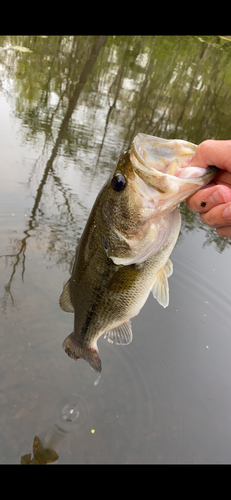
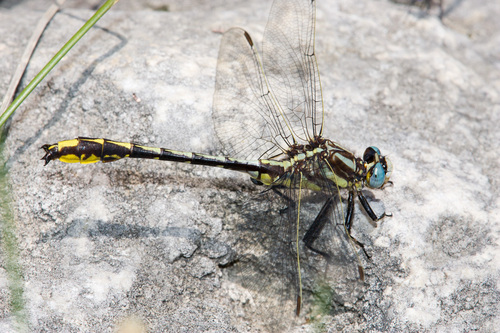
Each card links to a full Explore page with photos, traits, and fun facts.
Start with the big picture, then zoom in to explore individual wildlife observations around this place.
Bring a map
** The forest consists of a patchwork of parcels, so an official map from the Division of Forestry is highly recommended to navigate effectively.
Wear appropriate footwear
Trails can have sandy soil and some wet areas, especially on bridle and hiking trails, so waterproof hiking boots are advisable.
Stay on designated trails
This helps protect the sensitive ecosystems and ensures visitor safety, especially for APV and horseback riding.
Observe APV rules carefully
If riding an APV, ensure your machine is registered, wear required safety gear (helmet, eye protection), and follow all posted speed limits and one-way trail directions.
Visit during off-peak hours for wildlife viewing: Early mornings or late afternoons often provide the best opportunities to spot animals.
Pack out all trash
Help maintain the natural beauty of the forest by leaving no trace behind.
May 18, 2021
Photo attribution
no rights reserved
License: CC0 1.0 ↗
Image may be shown cropped inside the card frame.
May 20, 2026
May 20, 2026
May 18, 2026
May 11, 2026

Maryland, US
You might spot White-Tailed Deer and Eastern Gray Squirrel.
View guide →
.jpg)
District of Columbia, US
You might spot Eastern Gray Squirrel, Duck, and House Sparrow.
View guide →

Illinois, US
You might spot American Robin, Canada Goose, and House Sparrow.
View guide →

Virginia, US
You might spot Spotted Lanternfly and Northern Cardinal.
View guide →
Take the discovery with you
Identify the wildlife you spot, learn as you go, and keep a collection of the adventure.