





Western Foxsnake
Pantherophis ramspotti
The Western Foxsnake is a friendly snake with beautiful yellow and brown patterns. It likes to hide in grass and under rocks, making it a great friend for nature explorers!
Habitat: Grasslands
The Western Foxsnake has a base color of yellow or tan, covered in dark brown or black blotches that run along its back, creating a striking pattern. Its belly is often a creamy yellow with dark checkerboard markings, and a distinctive reddish-orange head sets it apart.
Category
ReptilesRarity
Common
Danger
2/5 · Low
Snaps
Be the first to snap!
Named "foxsnake" for a musky smell it releases when scared, just like a fox!
These amazing climbers can go up trees to hunt bird eggs or even bask in the sun!
They are completely non-venomous and harmless to humans, despite their sometimes fierce looks!
When threatened, they sometimes 'play dead' by going limp to fool predators!
Western Foxsnake can tightly coil around small prey, using its strong muscles to constrict and subdue them quickly.
Western Foxsnake has a distinctive reddish-orange head that can sometimes resemble venomous snakes, deterring potential threats.
Western Foxsnake has blotchy patterns that perfectly camouflage it against forest floors and grassy areas, aiding in hunting and hiding.
This snake is a hunter that eats small animals it finds on the ground, helping to control rodent populations.
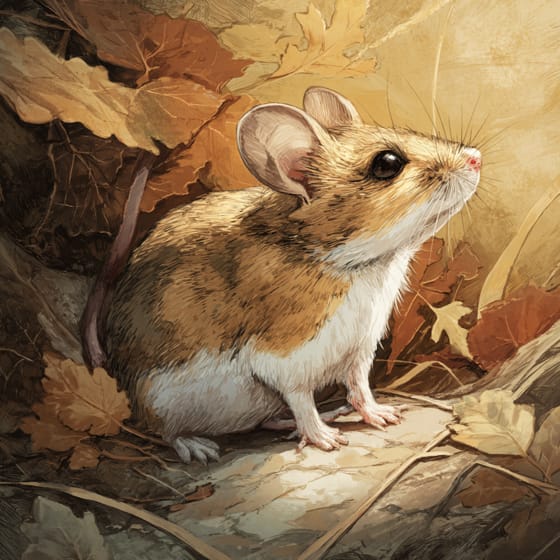
Peromyscus maniculatus
Main food source, helping control mouse populations.
Microtus pennsylvanicus
Frequently preyed upon, an important part of its diet.
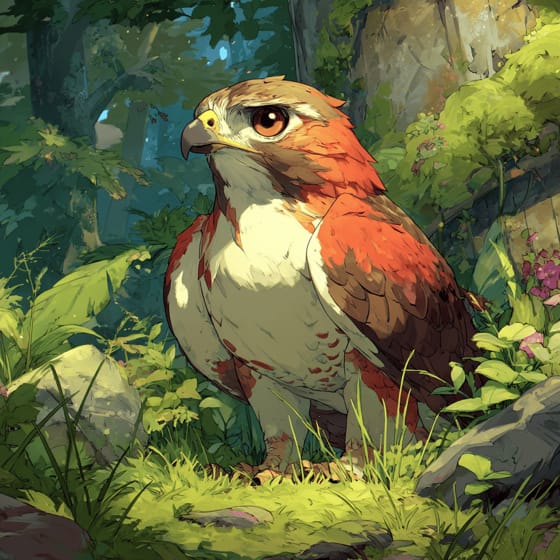
Buteo jamaicensis
A common aerial predator, especially of younger snakes.
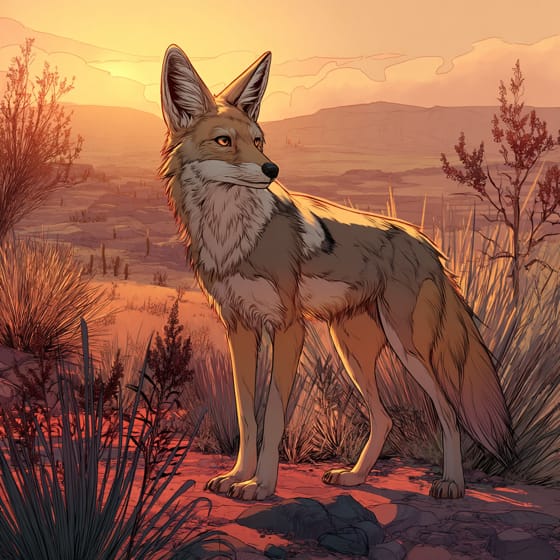
Canis latrans
Opportunistic predator, preying on snakes encountered.
Marked with spots or patches of a different color.
Solitary animals live alone for most of their lives, only interacting with others for mating or parental care.
Camouflaged describes organisms that possess coloring or patterns that allow them to blend into their environment.
Colorful describes organisms or objects displaying a wide range of bright and distinct colors.

Grassland habitats are terrestrial biomes dominated by grasses and herbaceous plants, supporting a variety of grazing animals.

Thermoregulating organisms maintain a stable internal body temperature despite fluctuations in the external environment.

An ambush predator hunts by patiently waiting and concealing itself, then launching a sudden attack when unsuspecting prey comes within range.

This trait identifies organisms whose diet consists entirely or primarily of animal tissue.

Diurnal animals are primarily active during daylight hours, typically resting or sleeping at night.
No aliases listed yet.
Danger
2/5 · Low
If you see a snake, it's best to watch from a distance and not touch it.
The easiest way to identify Western Foxsnake is to use the Snappit nature identifier app.
90-150 cm
0.5-1.5 kg
10-15 years
2 km/h
This snake is a hunter that eats small animals it finds on the ground, helping to control rodent populations.
Grasslands
Ambush
Zoom in to split clusters and explore where this object has been snapped.
Recent snaps will appear here as new observations are added.
Take the discovery with you
Snap it with Snappit to identify it, learn what makes it special, and add the discovery to your collection.












