





Western Harvester Ant
Pogonomyrmex occidentalis
Western Harvester Ants are busy little insects that gather seeds to eat. They live in big groups called colonies and work together to build their homes in the ground.
Habitat: Grasslands
The Western Harvester Ant is a medium-sized ant, typically reddish-brown to dark red, with a robust body and a notably large, square-shaped head. It lacks spines on its thorax, distinguishing it from many other ants.
Category
InsectsRarity
Common
Danger
2/5 · Low
Snaps
1
Queen harvester ants can live for an amazing 20 to 30 years, founding huge colonies!
Some desert plants rely on these ants to scatter their seeds and help them grow in new places!
Their large gravel mounds can be over 1 meter tall and clear of plants for many meters around!
When threatened, they often stomp their legs on the ground to create vibrations as a warning.
Western Harvester Ants can carry seeds many times their own weight, allowing them to gather vast food stores for their colony.
Western Harvester Ants build large, intricate underground nests that keep their colony safe and store collected seeds.
Western Harvester Ants possess a painful venomous sting that helps them defend their colony from predators.
Western Harvester Ants use scent trails to guide nestmates to newly found food sources, efficiently sharing discoveries.
They primarily munch on seeds they tirelessly collect from various plants!
Phrynosoma hernandesi
A primary predator in arid regions.
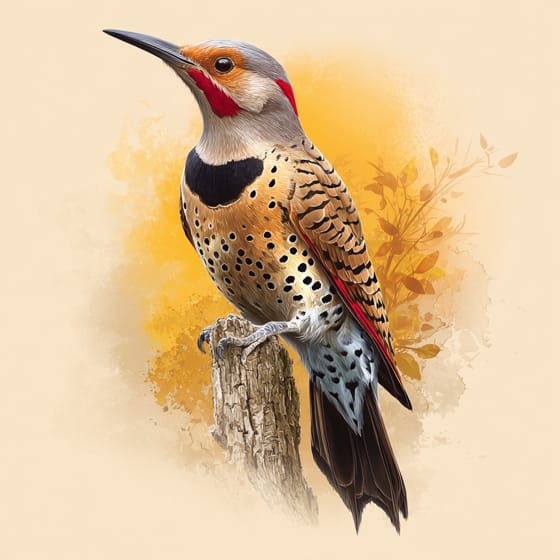
Colaptes auratus
These birds dig into nests to eat ants.
Bouteloua gracilis
Ants disperse seeds, helping plant spread.
Hilaria jamesii
Ants collect and often disperse these seeds.
Social animals live in organized groups, cooperating for survival benefits such as foraging, defense, and raising offspring.
Burrowing animals dig tunnels and chambers in the ground, using these subterranean structures for shelter, hunting, or breeding.
Grassland habitats are terrestrial biomes dominated by grasses and herbaceous plants, supporting a variety of grazing animals.
This trait characterizes organisms whose diet consists entirely or primarily of plant material.

Diurnal animals are primarily active during daylight hours, typically resting or sleeping at night.

Describes a species whose presence and role have a disproportionately large effect on its environment.

Pertaining to species that are significantly smaller than typical or average for their kind.
No aliases listed yet.
Danger
2/5 · Low
Be careful not to disturb their nests, as they might bite if they feel threatened.
The easiest way to identify Western Harvester Ant is to use the Snappit nature identifier app.
5-9 mm
180-365 days
They primarily munch on seeds they tirelessly collect from various plants!
Grasslands
Foraging
6
12000
Zoom in to split clusters and explore where this object has been snapped.

Utah, US
You might spot Common Golden-Mantled Ground Squirrel and Steller's Jay.
View guide →

Utah, US
You might spot Common Golden-Mantled Ground Squirrel and Steller's Jay.
View guide →

Utah, US
You might spot Common Golden-Mantled Ground Squirrel and Steller's Jay.
View guide →
Take the discovery with you
Snap it with Snappit to identify it, learn what makes it special, and add the discovery to your collection.






.jpg&width=800)



