




western larch
Larix occidentalis
The western larch is a tall tree that loves cool, wet places. In the fall, its needles turn a beautiful golden color before they fall off, making it a special sight in the forest.
Habitat: Mountain regions
The western larch is a tall, slender conifer with unique soft, green needles that grow in clusters. Unlike most conifers, its needles turn brilliant golden-yellow in autumn before shedding, leaving the tree bare in winter.
Category
PlantsRarity
Common
Danger
1/5 · Very low
Snaps
4
A special sugary sap, called 'larch manna,' can sometimes be found on its bark!
Its sturdy wood is resistant to decay, great for building bridges and outdoor structures!
Larch trees are the only conifers in North America that shed all their needles in autumn!
Western larch can live for over 800 years, standing tall through many seasons!
Western larch has incredibly thick, fire-resistant bark that helps it survive forest fires that damage other trees.
Western larch sheds all its needles in autumn, conserving water and nutrients during harsh, cold winter months.
Western larch develops deep taproots, anchoring it firmly on windy mountain slopes and rocky terrain.
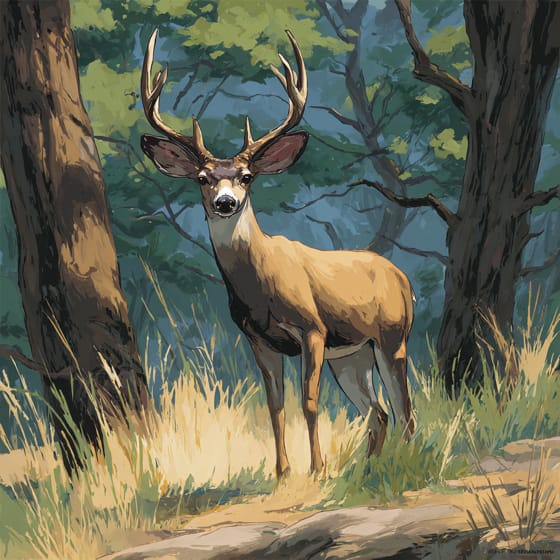
Odocoileus hemionus
Deer browse on young larch needles and twigs.
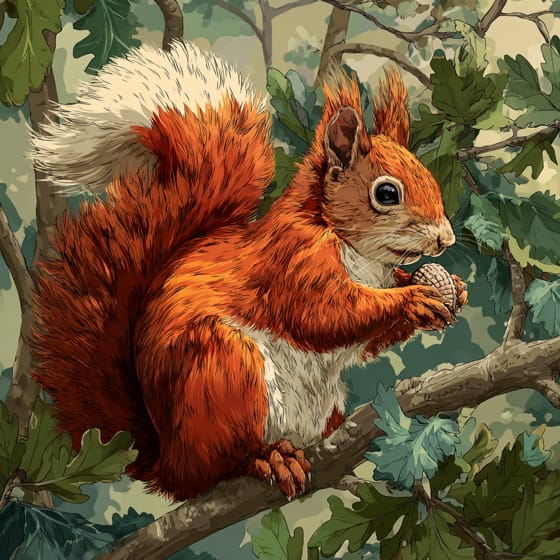
Tamiasciurus hudsonicus
Red squirrels harvest seeds from western larch cones.
Ursus americanus
Bears eat the nutrient-rich inner bark, especially in spring.

Glaucomys sabrinus
Flying squirrels may nest in tree cavities or use larch for cover.
Deciduous plants periodically shed all their leaves, typically during autumn or dry seasons.
Broadleaf trees are angiosperms characterized by flat, wide leaves that are typically shed annually in temperate climates.
Cold hardy plants are able to withstand low temperatures and freezing conditions without significant damage.
Coniferous plants are typically evergreen, bearing needles or scales and reproductive cones.

Fall color refers to the seasonal change in foliage pigmentation, primarily in deciduous plants, displaying vibrant hues.
Timber refers to wood that has been prepared for use in building and carpentry.

This habitat trait identifies species found in mountainous regions, characterized by high elevation, steep slopes, and varying climate zones.

Forest habitats are terrestrial environments dominated by dense tree cover, supporting a high diversity of plant and animal life.
No aliases listed yet.
Danger
1/5 · Very low
Stay on paths and don't climb trees without an adult.
The easiest way to identify western larch is to use the Snappit nature identifier app.
3000-7500 cm
800-1500 cm
Spring
Yes
None
Perennial
Wind
Zoom in to split clusters and explore where this object has been snapped.

Montana, US
You might spot Sticky Geranium, White-Tailed Deer, and Common Toadflax.
View guide →
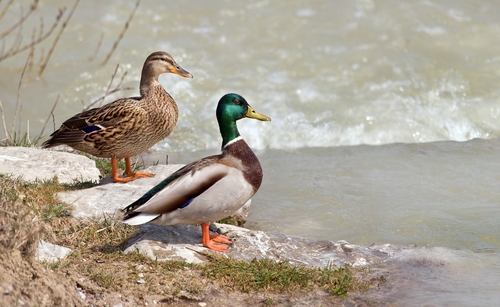
Washington, US
You might spot Duck, Yellow-Bellied Marmot, and Canada Goose.
View guide →

Washington, US
You might spot Eastern Gray Squirrel, Yellow-Bellied Marmot, and Duck.
View guide →

Oregon, US
You might spot Western Ponderosa Pine and Red-Winged Blackbird.
View guide →
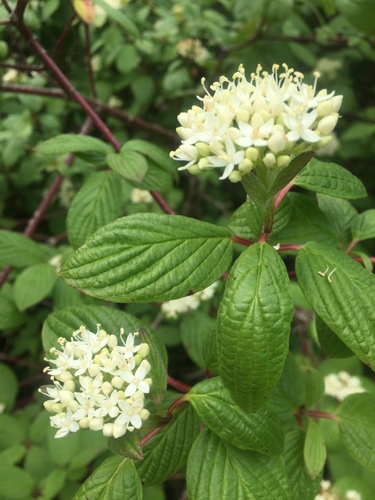
British Columbia, CA
You might spot Red Osier Dogwood, Lodgepole Pine, and Common Juniper.
View guide →

British Columbia, CA
You might spot Common Golden-Mantled Ground Squirrel.
View guide →
Take the discovery with you
Snap it with Snappit to identify it, learn what makes it special, and add the discovery to your collection.







.jpg&width=800)


_001.jpg&width=800)




