



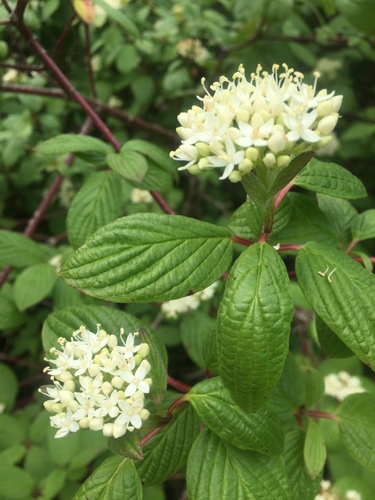
Lodgepole Pine
Moyie Lake Provincial Park offers a tranquil escape into the heart of British Columbia's Kootenay region, featuring deep blue mountain waters and a stunning 1,300-meter sandy beach.
Moyie Lake Provincial Park offers a tranquil escape into the heart of British Columbia's Kootenay region, featuring deep blue mountain waters and a stunning 1,300-meter sandy beach. Located just south of Cranbrook, this park provides the sole public access to the pristine Moyie Lake, making it a beloved destination for both locals and travelers seeking a refreshing natural experience. The park's diverse ecosystems, from dry forest areas dominated by lodgepole pine, western larch, and Douglas-fir to riparian zones rich with black cottonwood and quaking aspen, create a vibrant habitat for numerous plant and animal species.
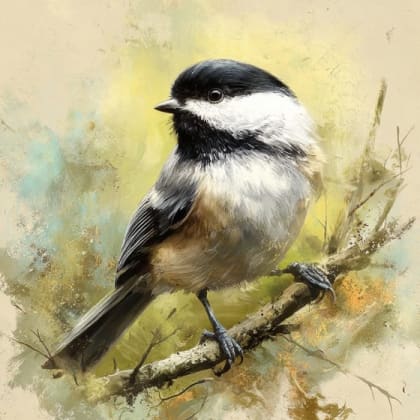
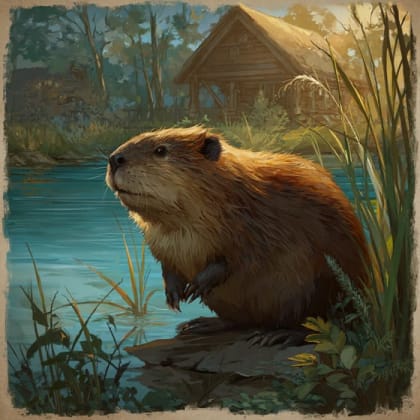
Beyond the inviting shores, Moyie Lake Provincial Park is a haven for wildlife and bird viewing. Visitors can explore two interpretive nature trails, the "Kettle Pond" Trail and the "Meadow" Trail, which wind through forest communities typical of the Moyie Valley, offering opportunities to observe species like White-tailed Deer and American Beaver. The park is also home to a variety of birds, including the American Robin and Black-capped Chickadee, and keen observers might even spot a Common Garter Snake or Western Terrestrial Garter Snake basking in the sun.
Whether you're splashing in the shallow, child-friendly swimming areas, enjoying a picnic on the expansive grassy day-use area, or embarking on a fishing adventure for kokanee and burbot, Moyie Lake Provincial Park promises memorable moments. Its combination of recreational opportunities, stunning natural beauty, and abundant wildlife makes it an ideal spot to relax, explore, and connect with the serene wilderness of British Columbia. Explore the grounds like a pro—download the Snappit app to instantly identify animals and plants.
Moyie Lake Provincial Park was established in 1959 to provide public access and protect the natural habitat around Moyie Lake. The name "Moyie" is derived from the French word "Mouille," meaning "wet," reflecting the area's rich water resources. Before its establishment as a park, the lake was also known as "McDonald's River" and the "Grand Quete." The area lies within the traditional territories of the Ktunaxa Nation, who have a long history and deep connection to this land. The park's designation helps preserve the vibrant riparian areas, unique kettle pond lake formation (a result of glacial outflow), and the diverse plant and animal life it supports.
Relax: Enjoy the sandy beach and grassy day-use areas for sunbathing and picnicking.
Swim: The buoyed swimming area is shallow and suitable for children.
Paddle: Canoe, kayak, sail, or windsurf on Moyie Lake.
Fish: Angling for kokanee and burbot is popular, with ice fishing available in winter.
Hike & Bike: Explore the "Kettle Pond" and "Meadow" interpretive trails. Bicycles are permitted on the main section of these trails and roadways.
Wildlife Viewing: Look for White-tailed Deer, American Beaver, various waterfowl, and songbirds like the American Robin and Black-capped Chickadee.
Summer: Peak season for swimming, boating, and camping. Interpretive programs, including guided walks and children's programs, may be offered at the amphitheatre. The campground often fills up early on summer weekends.
Spring/Fall: Quieter times for hiking and wildlife viewing. The park opens in mid-April.
Winter: Ice fishing is a popular activity. The boat launch and campground close for the winter season from September 30 to early April.
The park offers wheelchair-accessible facilities, including flush toilets and accessible pathways in some areas. The day-use area and main campground facilities are generally accessible.
1,300 meters of developed sandy beach.
the "Kettle Pond" Trail and "Meadow" Trail (approx. 2 km total).
Moyie Lake itself, offering swimming, boating, and fishing.
Adventure playground and hot showers at the campground.
Each card links to a full Explore page with photos, traits, and fun facts.
Start with the big picture, then zoom in to explore individual wildlife observations around this place.
Book Campsites in Advance
Especially during summer weekends, campsites fill up quickly. Make reservations to secure your spot.
Protect Against Invasive Species
If you are bringing a boat or any water equipment, ensure it is completely clean and dry to prevent the spread of aquatic invasive species.
Be Prepared for Weather Changes
Mountain and lake weather can change rapidly; bring layers and be prepared for sudden shifts in wind and temperature, especially on the lake.
Explore the Interpretive Trails
Take advantage of the "Kettle Pond" and "Meadow" trails for an easy walk and to learn about the local ecology and spot wildlife like Columbian Ground Squirrels or American Red Squirrels.
Leash Your Pets
Pets are welcome but must be on a leash at all times and are not allowed in beach areas or park buildings.
Pack a Picnic
The park has a large grassy day-use area with picnic tables, some with shelters, perfect for an outdoor meal by the lake.
May 18, 2025
Aug 25, 2024
Jun 9, 2024
Jun 9, 2024
Jun 9, 2024

Maryland, US
You might spot White-Tailed Deer and Eastern Gray Squirrel.
View guide →
.jpg)
District of Columbia, US
You might spot Eastern Gray Squirrel, Duck, and House Sparrow.
View guide →

Illinois, US
You might spot American Robin, Canada Goose, and House Sparrow.
View guide →

Virginia, US
You might spot Spotted Lanternfly and Northern Cardinal.
View guide →
Take the discovery with you
Identify the wildlife you spot, learn as you go, and keep a collection of the adventure.