





Western Panthea Moth
Panthea virginarius
The Western Panthea Moth is a beautiful insect with soft, fuzzy wings. It loves to fly around at night and can be found in many different colors, making it a special sight in nature.
Habitat: Forests
The Western Panthea Moth has striking white wings boldly marked with intricate black lines and patches, creating a delicate mosaic pattern. Its fuzzy, dark body contrasts sharply with the pale wings, and it often displays subtle hints of brown or yellow in its markings. These distinctive patterns help it stand out from plainer moth species.
Category
InsectsRarity
Common
Danger
1/5 · Very low
Snaps
Be the first to snap!
Its pupa can spend a whole winter tucked safely away, waiting for spring to become a moth!
Moths can 'smell' the world using their amazing antennae, like super-powered invisible sniffers!
The caterpillar of this moth looks very different, often with tufts of hair and bright spots!
When resting, this moth often holds its wings flat, making it look almost invisible on a tree trunk!
Western Panthea Moth has intricate black and white patterns that help them blend seamlessly with lichen-covered tree bark, hiding from predators.
Western Panthea Moth has feathery antennae that help them detect mates from far away, finding partners in the dark forest.
Western Panthea Moth has a thick, fuzzy body that helps them stay warm during cool nights and makes them harder for predators to grab.
Caterpillars munch on conifer needles, while adult moths may sip nectar or not feed at all.
Age differences: Larvae feed on conifer needles, while adults primarily focus on reproduction and may occasionally sip nectar.
Pinus ponderosa
caterpillars feed on its needles
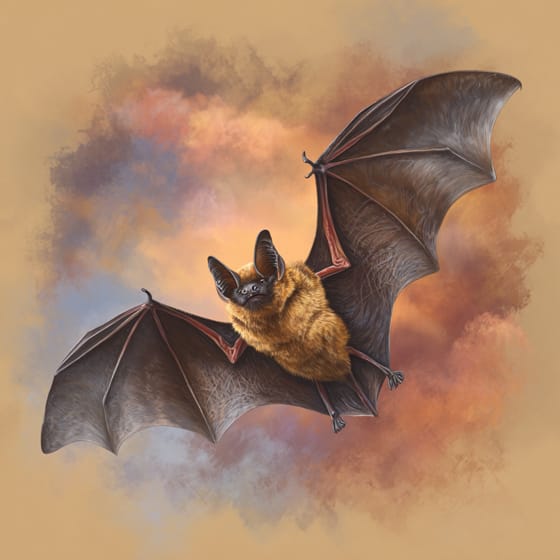
Eptesicus fuscus
bats hunt flying moths at night

Cyanocitta stelleri
birds prey on adult moths
Cirsium arvense
sips nectar from flowers
Furry describes animals possessing a dense covering of soft hair or fur.
Solitary animals live alone for most of their lives, only interacting with others for mating or parental care.
Colorful describes organisms or objects displaying a wide range of bright and distinct colors.
This trait characterizes organisms whose diet consists entirely or primarily of plant material.

Describes plants that are particularly attractive and beneficial to a wide range of pollinating organisms.

Forest habitats are terrestrial environments dominated by dense tree cover, supporting a high diversity of plant and animal life.

Nocturnal animals are primarily active during the nighttime hours, typically resting or sleeping during the day.

Describes organisms that transfer pollen, enabling the fertilization and reproduction of plants.
No aliases listed yet.
Danger
1/5 · Very low
Moths are harmless, but it's best to watch them from a distance.
The easiest way to identify Western Panthea Moth is to use the Snappit nature identifier app.
35-50 mm
15-25 mm
10-20 days
Caterpillars munch on conifer needles, while adult moths may sip nectar or not feed at all.
Forests
Foraging
6
Zoom in to split clusters and explore where this object has been snapped.
Recent snaps will appear here as new observations are added.
Take the discovery with you
Snap it with Snappit to identify it, learn what makes it special, and add the discovery to your collection.








.jpg&width=800)


