.jpg&width=800)





Eastern Tent Caterpillar Moth
Malacosoma americana
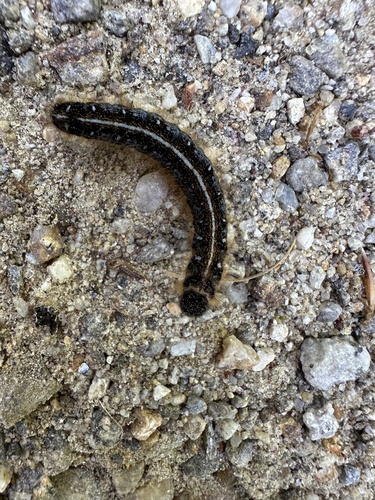
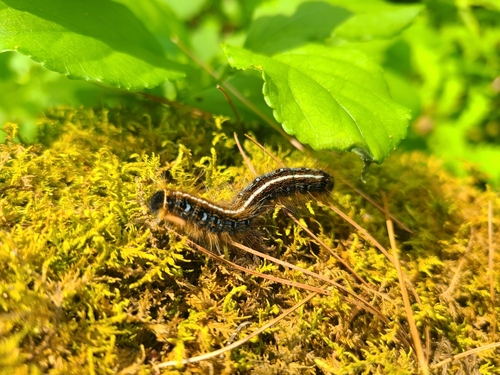
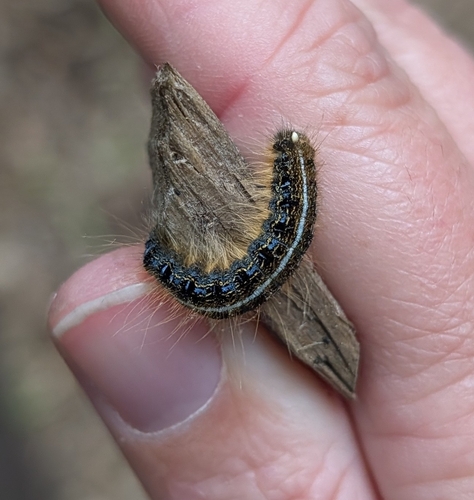
The Eastern Tent Caterpillar Moth is a fluffy, colorful moth that comes out in spring. It starts its life as a caterpillar that lives in big, cozy tents made of silk in trees.
Habitat: Forests
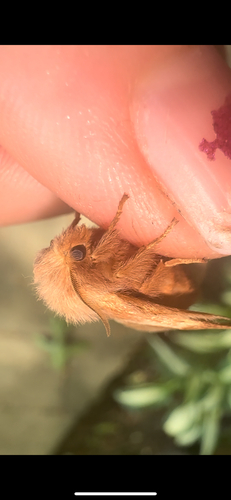
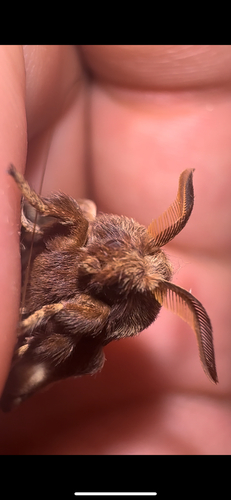
The Eastern Tent Caterpillar Moth is a medium-sized moth, usually reddish-brown or yellowish-brown with two distinct, pale, oblique lines across each forewing. Its body is stout and covered in dense, soft hairs, giving it a fuzzy appearance. Females are generally larger than males.
Category
InsectsRarity
Common
Danger
1/5 · Very low
Snaps
159
Adult Eastern Tent Caterpillar Moths don't eat at all; they live off energy stored as caterpillars!
Baby caterpillars spend the entire winter safely tucked inside their eggs, waiting for spring!
Caterpillars follow special silk trails they create to navigate and find food, like a secret map!
Female moths lay hundreds of eggs in a sticky, foamy mass that protects them like a tiny shield.
Eastern Tent Caterpillar Moths can release invisible chemical signals, called pheromones, to attract mates over long distances in the dark.
Eastern Tent Caterpillars can produce strong silk to build protective communal tents, helping them stay warm and safe from predators.
Their silk tents have specific entrances that Eastern Tent Caterpillars use to control their body temperature by basking or cooling off.
Adult moths do not eat; the caterpillars are herbivores, feasting on the leaves of trees!
Age differences: Caterpillars eat tree leaves, but adult moths do not feed, relying on energy reserves.
Prunus serotina
Caterpillars feed on leaves.
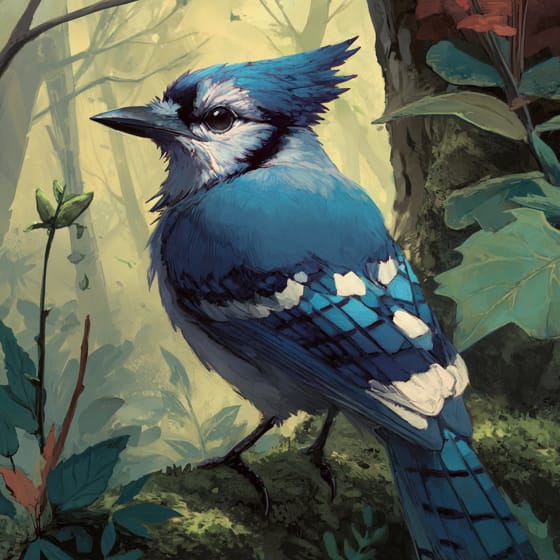
Cyanocitta cristata
Birds prey on caterpillars.
Cotesia congregata
Larvae develop inside caterpillars.
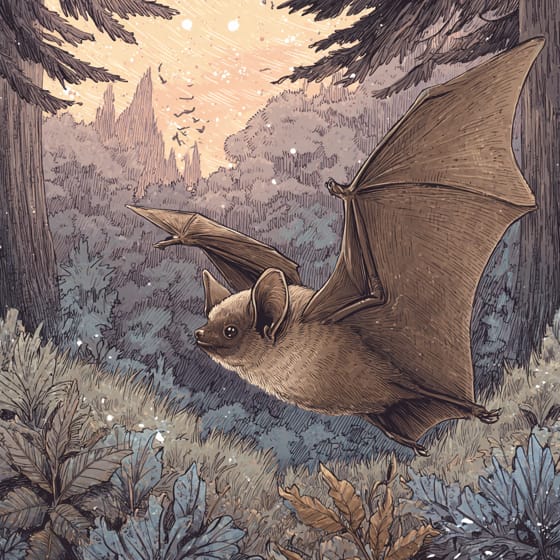
Myotis lucifugus
Bats hunt adult moths.
Furry describes animals possessing a dense covering of soft hair or fur.
Solitary animals live alone for most of their lives, only interacting with others for mating or parental care.
This trait characterizes organisms that construct elaborate silken webs for catching prey, shelter, or reproduction.
Colorful describes organisms or objects displaying a wide range of bright and distinct colors.

This trait characterizes organisms whose diet consists entirely or primarily of plant material.

Forest habitats are terrestrial environments dominated by dense tree cover, supporting a high diversity of plant and animal life.

Diurnal animals are primarily active during daylight hours, typically resting or sleeping at night.

Describes a species whose presence and role have a disproportionately large effect on its environment.

Describes organisms that transfer pollen, enabling the fertilization and reproduction of plants.
No aliases listed yet.
Danger
1/5 · Very low
Don't touch caterpillars or moths without asking an adult, as some can be hairy or have chemicals that irritate skin.
The easiest way to identify Eastern Tent Caterpillar Moth is to use the Snappit nature identifier app.
35-55 mm
25-45 mm
7-10 days
5 km/h
Adult moths do not eat; the caterpillars are herbivores, feasting on the leaves of trees!
Forests
Foraging
Zoom in to split clusters and explore where this object has been snapped.
Jun 16, 2026
Barrington Civic Center Historic DistrictPhoto attribution
(c) Maryssa, some rights reserved (CC BY)
License: CC BY 4.0 ↗
Image may be shown cropped inside the card frame.
Jun 15, 2026
Barrington Civic Center Historic DistrictPhoto attribution
(c) Maryssa, some rights reserved (CC BY)
License: CC BY 4.0 ↗
Image may be shown cropped inside the card frame.
Jun 8, 2026
CheshamPhoto attribution
(c) Jaime McGuigan, some rights reserved (CC BY)
License: CC BY 4.0 ↗
Image may be shown cropped inside the card frame.
Jun 5, 2026
Norwich Village Historic DistrictPhoto attribution
(c) Megan Massa, some rights reserved (CC BY)
License: CC BY 4.0 ↗
Image may be shown cropped inside the card frame.
May 30, 2026
Quaker Farms Historic DistrictPhoto attribution
(c) Jessica Utrup, some rights reserved (CC BY)
License: CC BY 4.0 ↗
Image may be shown cropped inside the card frame.

Virginia, US
You might spot Eastern Box Turtle and White-Tailed Deer.
View guide →

Rhode Island, US
You might spot Common Mugwort, Duck, and Azure Bluet.
View guide →

Pennsylvania, US
You might spot American Robin, Red-Winged Blackbird, and Lesser Celandine.
View guide →

Rhode Island, US
You might spot Common Eastern Bumble Bee and Osprey.
View guide →

Connecticut, US
You might spot Striped Wintergreen and Common Eastern Bumble Bee.
View guide →

Rhode Island, US
You might spot Rugosa Rose and American Herring Gull.
View guide →
Take the discovery with you
Snap it with Snappit to identify it, learn what makes it special, and add the discovery to your collection.






.jpg&width=800)

