





Western Spadefoot
Spea hammondii
The Western Spadefoot is a small frog that loves to dig! It has special spade-like toes that help it burrow into the ground. These frogs are often found in sandy areas and come out when it rains.
Habitat: Desert
The Western Spadefoot has smooth, grayish-brown to olive skin, often with darker blotches and a pale belly. It possesses distinctive large, gold-rimmed eyes with vertical pupils, and a wedge-shaped, dark 'spade' on each hind foot for digging. Unlike true toads, it lacks prominent parotoid glands.
Category
AmphibiansRarity
Common
Danger
1/5 · Very low
Snaps
Be the first to snap!
Their eggs can hatch super quickly, sometimes in less than a day!
These amphibians can absorb water right through their skin, no drinking needed!
They have vertical pupils, just like a cat's!
When stressed, some spadefoots smell like roasted peanuts or garlic!
Western Spadefoot can rapidly burrow backwards into soil using hardened 'spades' on its hind feet to escape predators or dry conditions.
Western Spadefoot can survive long droughts by aestivating deep underground, forming a protective mud cocoon to save water.
Western Spadefoot tadpoles develop incredibly fast, sometimes in just a few weeks, to avoid drying out in temporary pools.
These hungry amphibians munch on small insects and other tiny creatures.
Age differences: Tadpoles are omnivores, eating algae and detritus, while adults are carnivores, mainly insectivores.
Thamnophis sirtalis
Snakes often prey on spadefoots near breeding ponds.

Procyon lotor
Raccoons forage for them, especially during wet nights.
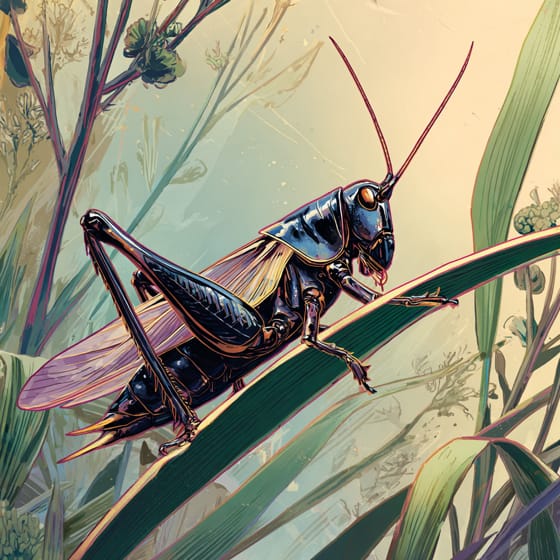
Gryllus bimaculatus
Adult spadefoots ambush crickets and other insects.
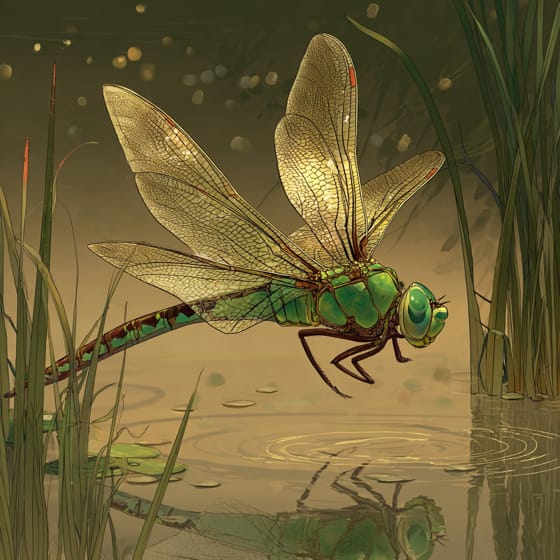
Anax junius
Dragonfly larvae prey on spadefoot tadpoles in ponds.
Solitary animals live alone for most of their lives, only interacting with others for mating or parental care.
Burrowing animals dig tunnels and chambers in the ground, using these subterranean structures for shelter, hunting, or breeding.
Camouflaged describes organisms that possess coloring or patterns that allow them to blend into their environment.
Colorful describes organisms or objects displaying a wide range of bright and distinct colors.

This trait identifies organisms whose diet primarily consists of insects and other small invertebrates.

Desert habitats are arid regions characterized by extremely low precipitation and often extreme temperatures, supporting specialized flora and fauna.

This trait identifies organisms that exhibit exceptional swiftness in movement for hunting, escape, or travel.

Nocturnal animals are primarily active during the nighttime hours, typically resting or sleeping during the day.
No aliases listed yet.
Danger
1/5 · Very low
Always watch where you step when exploring nature, and don't touch frogs without asking an adult.
The easiest way to identify Western Spadefoot is to use the Snappit nature identifier app.
3.8-7.5 cm
0.015-0.035 kg
4-10 years
These hungry amphibians munch on small insects and other tiny creatures.
Desert
Ambush
500-2000
Zoom in to split clusters and explore where this object has been snapped.
Recent snaps will appear here as new observations are added.
Take the discovery with you
Snap it with Snappit to identify it, learn what makes it special, and add the discovery to your collection.







.JPG&width=800)



.jpg&width=800)

