





Western Spruce Budworm Moth
Choristoneura occidentalis
The Western Spruce Budworm Moth is a small, fuzzy moth that loves to hide in trees. It has beautiful brown and gray wings that help it blend in with its forest home.
Habitat: Forests
The Western Spruce Budworm Moth has mottled grey-brown forewings, often with indistinct dark spots or bands, and pale hindwings. Its coloration provides excellent camouflage, making it blend seamlessly with tree bark and dried foliage.
Category
InsectsRarity
Common
Danger
1/5 · Very low
Snaps
Be the first to snap!
Huge outbreaks can make entire forests appear reddish-brown, as if they are scorched!
Sometimes, millions of these tiny moths will fly at once, appearing like a living cloud!
The caterpillars chew tunnels into tree buds, then feast on the growing needles inside.
Their populations naturally boom and bust, sometimes causing outbreaks for a decade!
Western Spruce Budworm Moth has mottled grey-brown wings that help them blend seamlessly into tree bark, avoiding predators.
Western Spruce Budworm Moth can release special scents (pheromones) that help them find mates from a distance, ensuring reproduction.
Western Spruce Budworm Moth can lay clusters of eggs on conifer needles, allowing new larvae to emerge directly onto their food source.
Larvae eat tree buds and needles; adult moths do not feed.
Age differences: Larvae consume tree foliage and buds; adult moths do not feed.

Picea engelmannii
Its larvae defoliate the needles and buds.
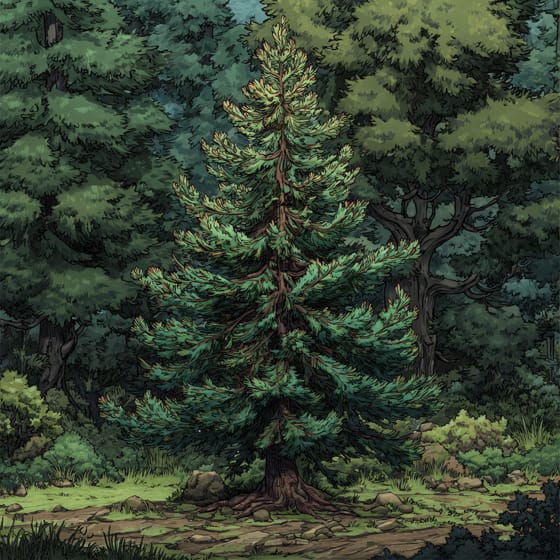
Abies grandis
Larvae consume needles and buds, weakening trees.
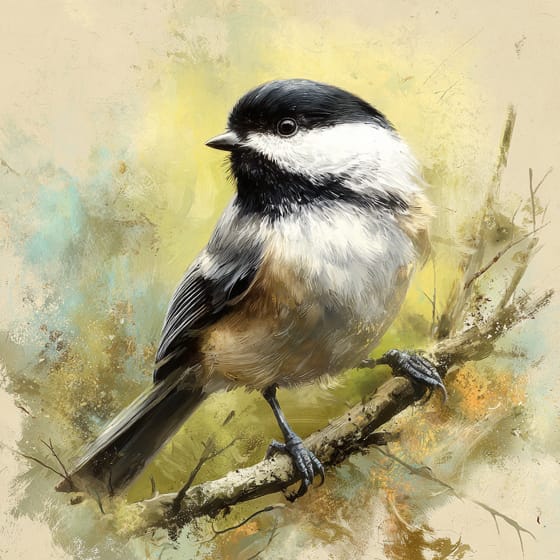
Parus atricapillus
Birds prey on the larvae and adult moths.
Meteorus trachynotus
This wasp lays eggs inside the budworm larvae.
Furry describes animals possessing a dense covering of soft hair or fur.
Solitary animals live alone for most of their lives, only interacting with others for mating or parental care.
Camouflaged describes organisms that possess coloring or patterns that allow them to blend into their environment.
This trait characterizes organisms whose diet consists entirely or primarily of plant material.

Forest habitats are terrestrial environments dominated by dense tree cover, supporting a high diversity of plant and animal life.

Nocturnal animals are primarily active during the nighttime hours, typically resting or sleeping during the day.

Describes organisms that transfer pollen, enabling the fertilization and reproduction of plants.
No aliases listed yet.
Danger
1/5 · Very low
These moths are not harmful, but it's best to watch them from a distance.
The easiest way to identify Western Spruce Budworm Moth is to use the Snappit nature identifier app.
20-30 mm
8-12 mm
10-14 days
Larvae eat tree buds and needles; adult moths do not feed.
Forests
Foraging
6
Zoom in to split clusters and explore where this object has been snapped.
Recent snaps will appear here as new observations are added.

British Columbia, CA
You might spot White Pasqueflower and Columbian Ground Squirrel.
View guide →

British Columbia, CA
You might spot Western Sword Fern, Douglas Fir, and Red Huckleberry.
View guide →

British Columbia, CA
You might spot Shinyleaf Meadowsweet, Northern Checkerspot, and Fireweed.
View guide →
Take the discovery with you
Snap it with Snappit to identify it, learn what makes it special, and add the discovery to your collection.







.jpg&width=800)



