





Engelmann spruce
Picea engelmannii
The Engelmann spruce is a tall tree with soft, needle-like leaves. It grows in cool, mountainous areas and provides homes for many animals. Its wood is strong and used for making things like musical instruments!
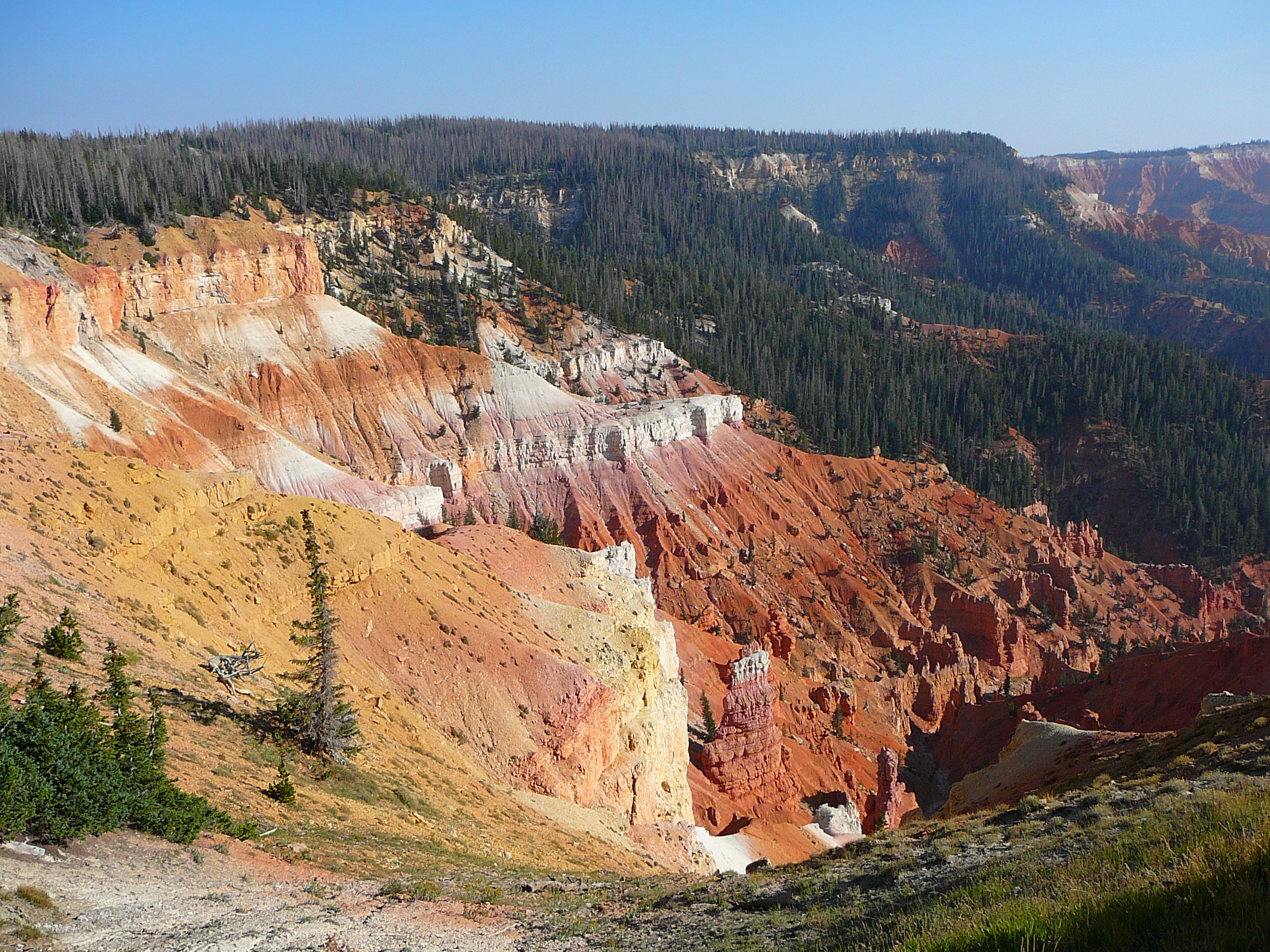
Habitat: Mountain regions
The Engelmann spruce is a tall, slender conifer with a narrow, spire-like crown. It has sharp, four-sided needles, often bluish-green, and reddish-brown cones that hang from its branches. Its bark is thin and scaly, often purplish-brown.
Category
PlantsRarity
Common
Danger
1/5 · Very low
Snaps
Be the first to snap!
Indigenous peoples historically brewed its vitamin C-rich needles into a fortifying, healthful tea.
Its strong, resonant wood is often used to make guitars and other musical instruments!
This tough tree can grow right up to the treeline, where mountains meet the sky!
Tiny Engelmann spruce seeds provide vital winter food for many high-altitude birds and squirrels.
Engelmann spruce can thrive in harsh mountain environments, growing at very high elevations where few other trees survive.
Its downward-sloping branches help Engelmann spruce shed heavy snow, preventing breakage and allowing it to survive harsh winters.
Its aromatic needles release a crisp, resinous scent, which might deter some herbivores or signal its presence in the forest.
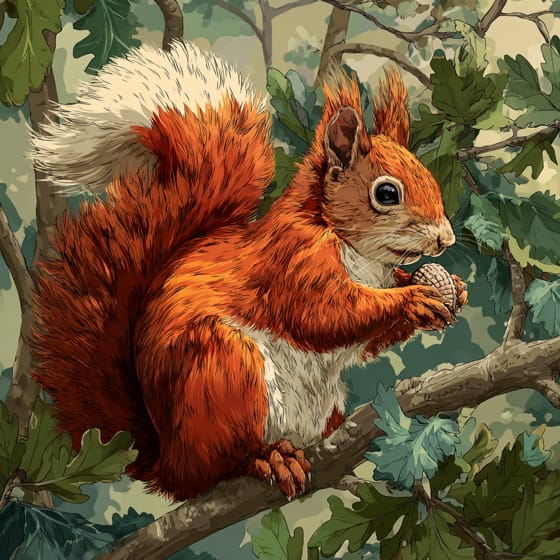
Tamiasciurus hudsonicus
Feeds on seeds from cones.

Dendragapus obscurus
Browses on its nutrient-rich needles.
Ursus americanus
Uses dense stands for dens and cover.
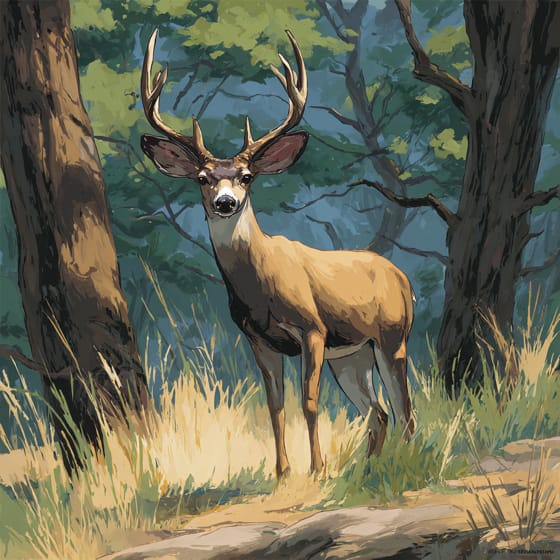
Odocoileus hemionus
Browses on young shoots and foliage.
Broadleaf trees are angiosperms characterized by flat, wide leaves that are typically shed annually in temperate climates.
Cold hardy plants are able to withstand low temperatures and freezing conditions without significant damage.
Coniferous plants are typically evergreen, bearing needles or scales and reproductive cones.
Evergreen plants retain their foliage throughout the year, never shedding all their leaves at once.

Timber refers to wood that has been prepared for use in building and carpentry.

This habitat trait identifies species found in mountainous regions, characterized by high elevation, steep slopes, and varying climate zones.

This trait characterizes organisms with an exceptionally long lifespan compared to others of their kind.

Describes a species whose presence and role have a disproportionately large effect on its environment.
No aliases listed yet.
Danger
1/5 · Very low
Stay on paths when exploring forests and don't climb trees without an adult.
The easiest way to identify Engelmann spruce is to use the Snappit nature identifier app.
3000-6000 cm
500-1000 cm
Yes
None
Perennial
Wind
Mountain regions
Zoom in to split clusters and explore where this object has been snapped.
Recent snaps will appear here as new observations are added.
Take the discovery with you
Snap it with Snappit to identify it, learn what makes it special, and add the discovery to your collection.









.jpg&width=800)


_001.jpg&width=800)


