





Western Tailed-Blue
Cupido amyntula
The Western Tailed-Blue is a small butterfly with beautiful blue wings. It loves to flutter around flowers and is often seen in sunny places during warm days.
Habitat: Grasslands
The Western Tailed-Blue is a small butterfly, with males displaying iridescent blue upperwings, while females are more grayish-blue. Both sexes feature tiny, delicate 'tails' on their hindwings, alongside small black spots on their otherwise pale gray undersides.
Category
InsectsRarity
Common
Danger
1/5 · Very low
Snaps
3
It helps wildflowers grow by spreading pollen as it sips nectar.
Its caterpillar shares sweet 'honeydew' with ants who then guard it!
Many male butterflies gather at muddy puddles to sip vital salts.
This butterfly can spend the whole winter safely hidden as a pupa!
Western Tailed-Blue has tiny wing tails that wiggle, making predators target the wrong end, allowing the butterfly to escape.
Its caterpillars have special glands that secrete a sugary liquid, attracting ants who then protect them from other predators.
The pale, patterned underside of its wings helps the Western Tailed-Blue blend perfectly with bark or dry leaves when resting.
Adults sip flower nectar for energy, while caterpillars munch on the leaves of pea plants.
Age differences: Larvae (caterpillars) feed on plant leaves and buds; adults feed solely on flower nectar.

Lupinus arcticus
Larvae munch on its leaves and flower buds.
Formica fusca
Ants protect its caterpillars in exchange for sugary honeydew.

Trifolium pratense
Sips nectar, carrying pollen between flowers.
Misumena vatia
Can ambush butterflies resting on flowers.
Solitary animals live alone for most of their lives, only interacting with others for mating or parental care.
Colorful describes organisms or objects displaying a wide range of bright and distinct colors.
Grassland habitats are terrestrial biomes dominated by grasses and herbaceous plants, supporting a variety of grazing animals.
This trait characterizes organisms whose diet consists entirely or primarily of plant material.

Describes plants that are particularly attractive and beneficial to a wide range of pollinating organisms.

Diurnal animals are primarily active during daylight hours, typically resting or sleeping at night.

Describes organisms that transfer pollen, enabling the fertilization and reproduction of plants.
Danger
1/5 · Very low
Always watch butterflies from a distance and don't try to catch them.
The easiest way to identify Western Tailed-Blue is to use the Snappit nature identifier app.
20-30 mm
10-15 mm
30-270 days
Adults sip flower nectar for energy, while caterpillars munch on the leaves of pea plants.
Grasslands
Foraging
6
Zoom in to split clusters and explore where this object has been snapped.

Montana, US
You might spot Great Blanketflower and Seven-Spotted Lady Beetle.
View guide →

Oregon, US
You might spot Mule Deer, Song Sparrow, and Northern Yellow Warbler.
View guide →

Washington, US
You might spot Broad-Leaved Stonecrop and Western Sword Fern.
View guide →
British Columbia, CA
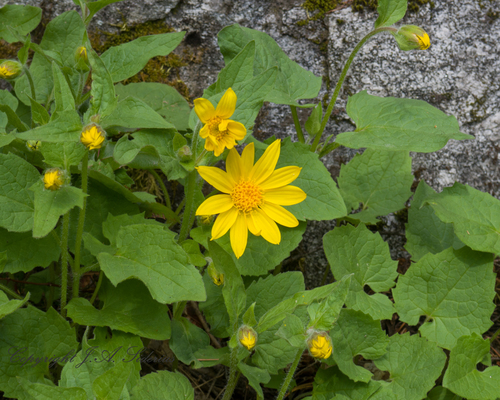
You might spot Heartleaf Arnica, Douglas Fir, and Oregon Grape.
View guide →
Take the discovery with you
Snap it with Snappit to identify it, learn what makes it special, and add the discovery to your collection.






.jpg&width=800)



