Seven Spotted Lady Beetle

The Cut Bank Ranger Station Historic District is a gateway to Glacier National Park's rugged eastern side.
The Cut Bank Ranger Station Historic District is a gateway to Glacier National Park's rugged eastern side. This remarkable district offers a unique blend of early National Park Service history and breathtaking natural beauty, set against the stunning backdrop of the Rocky Mountains. Visitors can step back in time while exploring well-preserved historic buildings, serving as a testament to the park's early administrative efforts and rustic architectural heritage.
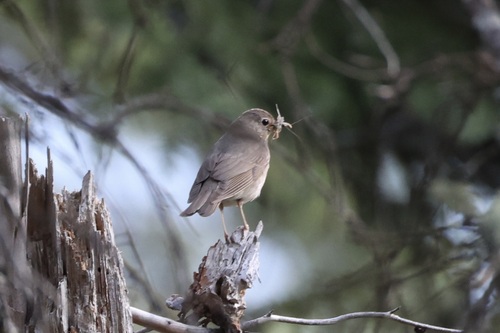
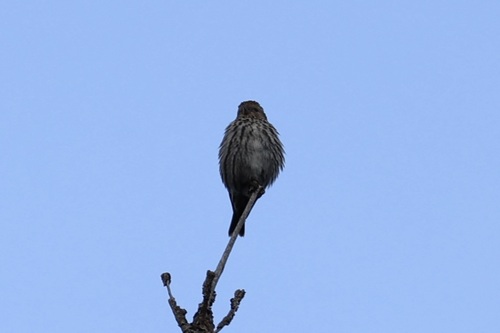
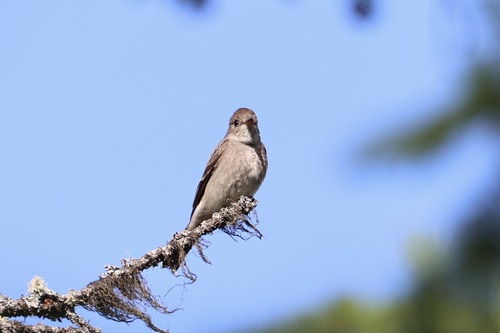
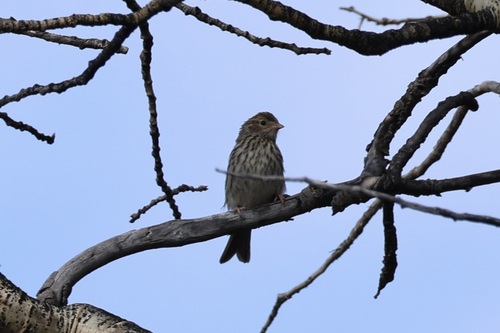
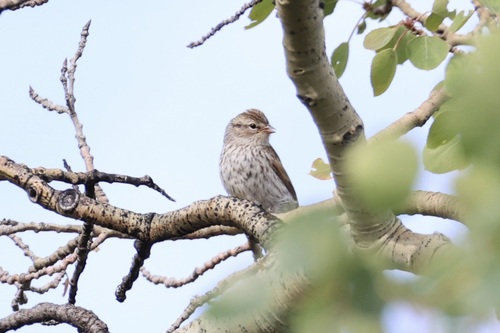
Beyond the historical structures, the district serves as a prime access point for exploring the pristine wilderness of Glacier National Park. The surrounding Cut Bank area is renowned for its expansive meadows that burst into vibrant wildflower displays during summer, offering incredible photographic opportunities. It’s also a vital corridor for diverse wildlife, including iconic species like grizzly bears, moose, and various bird species, providing a chance for serene and authentic wildlife viewing.
A visit to the Cut Bank Ranger Station Historic District provides a peaceful escape from more crowded areas of the park, allowing for a deeper connection with both history and nature. It's an ideal spot for those seeking solitude, embarking on challenging hikes, or simply appreciating the raw, unspoiled grandeur of Montana's "Crown of the Continent." The blend of historical significance and wild landscapes creates a truly memorable experience. Be ready to snap and learn! Get the Snappit app to identify any nature species you find here.
The Cut Bank Ranger Station Historic District holds significant historical value as one of the first buildings constructed by the National Park Service in Glacier National Park, dating back to 1917. The design of the main ranger station building reflects a Swiss chalet style, predating the more formalized National Park Service Rustic architectural style that would later become prevalent. This pioneering structure, built with local materials like saddle-notched logs and stone piers, represents an early example of park administration development. Initially staffed year-round, the station transitioned to a summer-only operation by the late 1930s, a pattern that continues today. The district expanded with the addition of a barn in 1935 and a woodshed, both constructed by Civilian Conservation Corps labor using adaptations of Park Service standard designs. Listed on the National Register of Historic Places since 1996, the district is recognized for its association with park administrative development and its rustic architecture, preserving a tangible link to the early days of Glacier National Park.
Explore the historic buildings: Observe the unique Swiss chalet-style architecture of the ranger station and the accompanying structures.
* **Photography: ** Capture the rustic charm of the historic district and the stunning natural landscapes, including wildflowers and mountain vistas.
* **Wildlife Viewing: ** Keep an eye out for diverse wildlife that frequent the area, such as deer, elk, moose, and various bird species. The area is also part of a critical grizzly bear habitat corridor.
* **Hiking: ** Utilize the district as a trailhead for day hikes or overnight backpacking trips into the less-traveled backcountry of Glacier National Park.
Summer (June-August): Ideal for wildflowers, hiking, and wildlife viewing. The gravel road to the district is typically open. Be prepared for variable mountain weather, including afternoon thunderstorms.
Fall (September-October): Fewer crowds, potential for fall foliage, cooler temperatures. Some facilities may begin to close. Road access is weather-dependent.
Winter/Spring (November-May): The area is often inaccessible due to snow and road closures. Limited or no services are available.
The road leading to the Cut Bank Ranger Station Historic District is a 5-mile-long gravel road, generally manageable for 2WD vehicles but requires slow driving due to potential potholes. Parking can be limited. While the historic buildings themselves may have limited accessibility due to their age and design, the surrounding natural areas offer opportunities for enjoying the scenery from designated viewing points near parking.
The primary historic log structure, showcasing early NPS architecture.
Additional structures built by the Civilian Conservation Corps, complementing the ranger station.
Expansive meadows near the trailhead, often covered in wildflowers, particularly in mid-summer.
Panoramic views of the Cut Bank Valley and surrounding mountains, including Bad Marriage Mountain.
Each card links to a full Explore page with photos, traits, and fun facts.
Start with the big picture, then zoom in to explore individual wildlife observations around this place.
Drive Slowly on the Gravel Road
The 5-mile gravel road leading to the district requires careful driving; take your time to avoid potholes.
Come Prepared for Hiking
If you plan to hike, carry adequate water, snacks, navigation tools, and bear spray.
Wildlife Awareness
This is bear country. Make noise on trails, carry bear spray, and know how to use it. Maintain safe distances from all wildlife.
Visit in Mid-Summer for Wildflowers
The meadows around Cut Bank are particularly stunning with wildflowers in July and August.
Arrive Early
Parking can be limited, especially during peak season, and arriving early ensures a spot and a more peaceful experience.
Pack a Picnic
While no services are available at the district, the scenic surroundings make it an ideal spot for a packed lunch.
Jul 17, 2025
Photo attribution
no rights reserved
License: CC0 1.0 ↗
Image may be shown cropped inside the card frame.
Jul 17, 2025
Photo attribution
no rights reserved
License: CC0 1.0 ↗
Image may be shown cropped inside the card frame.
Jul 17, 2025
Photo attribution
no rights reserved
License: CC0 1.0 ↗
Image may be shown cropped inside the card frame.
Jul 17, 2025
Photo attribution
no rights reserved
License: CC0 1.0 ↗
Image may be shown cropped inside the card frame.
Jul 17, 2025
Photo attribution
no rights reserved
License: CC0 1.0 ↗
Image may be shown cropped inside the card frame.

Maryland, US
You might spot White-Tailed Deer and Eastern Gray Squirrel.
View guide →
.jpg)
District of Columbia, US
You might spot Eastern Gray Squirrel, Duck, and House Sparrow.
View guide →

Illinois, US
You might spot American Robin, Canada Goose, and House Sparrow.
View guide →

Virginia, US
You might spot Spotted Lanternfly and Northern Cardinal.
View guide →
Take the discovery with you
Identify the wildlife you spot, learn as you go, and keep a collection of the adventure.