





Western Toad
Anaxyrus boreas
The Western Toad is a plump, bumpy little friend found in many places! They have a loud, croaky call and love to hop around in wet areas like ponds and streams.
Habitat: Wetlands
The Western Toad has warty, usually greenish-gray to brown skin, often with a light stripe down its back. Its prominent parotoid glands behind its eyes help distinguish it from frogs.
Category
AmphibiansRarity
Common
Danger
1/5 · Very low
Snaps
23
A group of toads is called a knot!
Baby toads, called tadpoles, live underwater and eat plants!
Female toads lay thousands of eggs in long, jelly-like strings!
Toads absorb water through their skin, so they never need to drink!
Western Toad can dig backwards into soft soil using its hind legs to hide from danger and escape the sun.
Western Toad can lighten or darken its skin to better blend into its surroundings, making it a master of disguise.
Western Toads are expert insect hunters, gobbling up many tiny creepy crawlies!
Age differences: Tadpoles eat tiny plants and algae; adults hunt insects.
Thamnophis elegans
Garter snakes are one of the few predators tolerant of toad toxins.
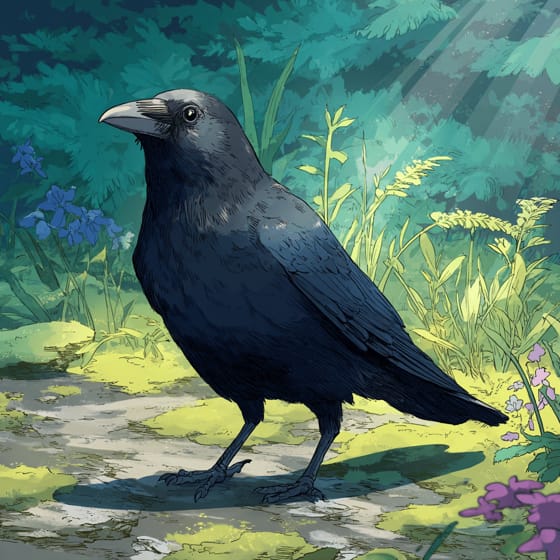
Corvus brachyrhynchos
Crows and ravens can prey on Western Toads, especially younger ones.

Procyon lotor
Raccoons might attempt to wash toads before eating them.
Marked with spots or patches of a different color.
Solitary animals live alone for most of their lives, only interacting with others for mating or parental care.
Camouflaged describes organisms that possess coloring or patterns that allow them to blend into their environment.
This trait identifies organisms whose diet primarily consists of insects and other small invertebrates.

This trait characterizes organisms with an exceptionally long lifespan compared to others of their kind.

This habitat trait identifies species found in wetlands, which are areas of land saturated with water, either permanently or seasonally, including marshes, swamps, and bogs.

Describes a species whose presence and role have a disproportionately large effect on its environment.

Nocturnal animals are primarily active during the nighttime hours, typically resting or sleeping during the day.
No aliases listed yet.
Danger
1/5 · Very low
Always wash your hands after touching a toad, as their skin can be sensitive.
The easiest way to identify Western Toad is to use the Snappit nature identifier app.
6-13 cm
0.03-0.13 kg
5-10 years
0.5 km/h
Western Toads are expert insect hunters, gobbling up many tiny creepy crawlies!
Wetlands
Ambush
Zoom in to split clusters and explore where this object has been snapped.
Mar 14, 2026
San Joaquin Experimental RangePhoto attribution
(c) Nina S. Zhao, some rights reserved (CC BY)
License: CC BY 4.0 ↗
Image may be shown cropped inside the card frame.

California, US
You might spot Acorn Woodpecker and Western Fence Lizard.
View guide →

California, US
You might spot Toyon, Mule Deer, and White Globe Lily.
View guide →

Wyoming, US
You might spot Moose, Uinta Ground Squirrel, and American Bison.
View guide →

Wyoming, US
You might spot Moose, Arrowleaf Balsamroot, and Black Bear.
View guide →

Oregon, US
You might spot White Pasqueflower and Clark's Nutcracker.
View guide →

California, US
You might spot Western Fence Lizard, Duck, and Canada Goose.
View guide →
Take the discovery with you
Snap it with Snappit to identify it, learn what makes it special, and add the discovery to your collection.








.JPG&width=800)



.jpg&width=800)