Western Fence Lizard

Arastradero Preserve offers tranquil trails and rich wildlife experiences in Palo Alto.
Arastradero Preserve offers tranquil trails and rich wildlife experiences in Palo Alto. This expansive 622-acre nature preserve, officially known as Enid Pearson-Arastradero Preserve, provides a vital green corridor within the bustling Silicon Valley, featuring rolling grasslands, serene oak woodlands, and lush riparian habitats. Visitors can immerse themselves in diverse ecosystems, from high points offering panoramic views of the San Francisco Bay to quiet moments beside Arastradero Lake, making it a perfect escape for nature lovers and outdoor enthusiasts alike.
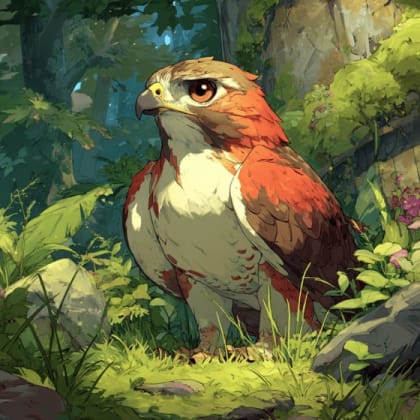
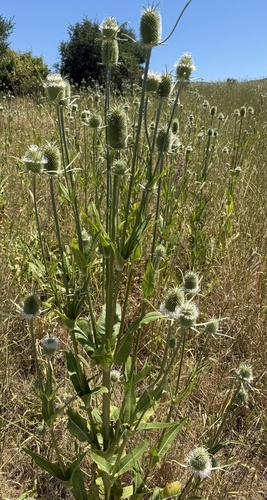
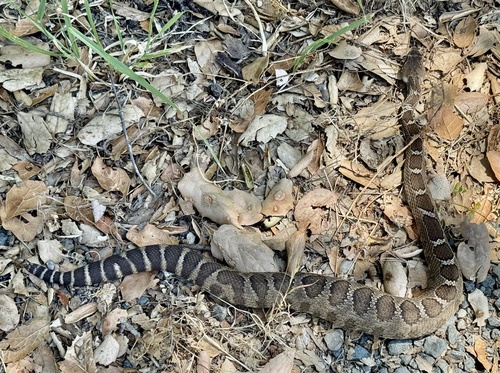
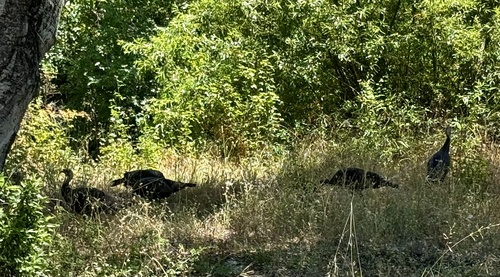
The preserve boasts over 10 miles of multi-use trails, catering to hikers, mountain bikers, and equestrians seeking adventure or peaceful reflection. Popular routes like the Juan Bautista de Anza Trail lead to the picturesque Arastradero Lake, while the Meadowlark Trail offers stunning vistas of the surrounding Bay Area hills. Keep an eye out for abundant wildlife; it's not uncommon to spot black-tailed deer, bobcats, and coyotes roaming the diverse landscapes. Birdwatchers will delight in the variety of avian species, including red-tailed hawks circling overhead and various waterfowl near the lake, while spring brings vibrant displays of wildflowers like California poppies and lupines.
Arastradero Preserve provides a rejuvenating experience, blending accessible outdoor recreation with significant ecological conservation. Its commitment to preserving native habitats and offering educational programs ensures that each visit contributes to a deeper appreciation of California's natural beauty. Whether you're seeking an invigorating hike, a peaceful stroll through an oak savanna, or an opportunity to capture stunning photographs of local flora and fauna, Arastradero Preserve promises memorable moments in a truly special setting. Explore the grounds like a pro—download the Snappit app to instantly identify animals and plants.
Originally a working ranch, the land that is now Arastradero Preserve faced the threat of extensive residential development in the early 1970s. To protect this vital open space, the City of Palo Alto acquired 433 acres in 1976. The preserve was officially dedicated as parkland in 1981, with a strong emphasis on preserving its natural amenities and fragile foothill ecology. In 2004, the preserve was renamed the Enid Pearson-Arastradero Preserve, honoring Enid Pearson, a former city council member and conservationist who was instrumental in its preservation. Since 1997, organizations like Grassroots Ecology and Acterra have partnered with the City of Palo Alto, undertaking significant restoration projects to remove invasive species and plant native grasses and oak saplings, continually enhancing the preserve's ecological health and biodiversity.
Hiking, Biking, Horseback Riding: Explore over 10 miles of multi-use trails, including popular loops like the Juan Bautista de Anza and Meadowlark Trails.
* **Birdwatching: ** The preserve is home to many bird species, including raptors like red-tailed hawks and a variety of smaller woodland and water birds.
* **Wildlife Viewing: ** Look for deer, bobcats, and coyotes, especially during quieter times of day.
* **Nature Photography: ** Capture the vibrant wildflowers in spring, the expansive landscapes, and diverse wildlife.
Wet Weather: Some trails are seasonal and may close temporarily after heavy rains due to muddy conditions; check conditions before visiting.
Poison Oak: Be aware of poison oak, which is common in the preserve. Staying on marked trails helps avoid contact.
The main parking lot (Gate A) offers a large wheelchair-accessible parking area, restrooms, and drinking water. An ADA-accessible path leads to the visitor center and restrooms.
A picturesque lake perfect for nature observation, birdwatching, and fishing (with proper license, no boats/swimming).
High points throughout the preserve offer scenic vistas of the San Francisco Bay and the Santa Cruz Mountains.
Experience diverse habitats with majestic valley oaks, coast live oaks, and rolling savannas.
Features exhibits explaining the local ecology, flora, and fauna, along with native plant gardens.
Each card links to a full Explore page with photos, traits, and fun facts.
Start with the big picture, then zoom in to explore individual wildlife observations around this place.
Hydrate and Protect
** Bring plenty of water, especially on warmer days, as shade can be limited on some trails. Wear sun protection.
Wear Appropriate Footwear
Trails are well-maintained but can be dusty or muddy depending on the season, so sturdy shoes are recommended.
Stay on Marked Trails
This protects fragile habitats, prevents erosion, and helps visitors avoid poison oak.
Parking Smart
The main parking lot can fill up quickly, especially on weekends. Arrive early or consider visiting on weekdays.
Observe Wildlife Respectfully
Keep a safe distance from animals and never feed them. Remember that mountain lions and coyotes inhabit the area.
Check Trail Conditions
Before your visit, especially after heavy rains, check the City of Palo Alto website for any seasonal trail closures.
Jun 16, 2026
Photo attribution
no rights reserved
License: CC0 1.0 ↗
Image may be shown cropped inside the card frame.
Jun 16, 2026
Photo attribution
no rights reserved
License: CC0 1.0 ↗
Image may be shown cropped inside the card frame.
Jun 16, 2026
Photo attribution
no rights reserved
License: CC0 1.0 ↗
Image may be shown cropped inside the card frame.
Jun 16, 2026
Photo attribution
no rights reserved
License: CC0 1.0 ↗
Image may be shown cropped inside the card frame.
Jun 16, 2026
Photo attribution
no rights reserved
License: CC0 1.0 ↗
Image may be shown cropped inside the card frame.

Maryland, US
You might spot White-Tailed Deer and Eastern Gray Squirrel.
View guide →
.jpg)
District of Columbia, US
You might spot Eastern Gray Squirrel, Duck, and House Sparrow.
View guide →

Illinois, US
You might spot American Robin, Canada Goose, and House Sparrow.
View guide →

Virginia, US
You might spot Spotted Lanternfly and Northern Cardinal.
View guide →
Take the discovery with you
Identify the wildlife you spot, learn as you go, and keep a collection of the adventure.