





Western Wallflower
Erysimum capitatum
The Western Wallflower is a bright yellow flower that grows in sunny places. It has a sweet smell and attracts butterflies and bees, making it a favorite among pollinators!
Habitat: Grasslands
The Western Wallflower has cheerful clusters of four-petaled flowers, typically in bright golden-yellow or vivid orange hues. These vibrant blooms stand tall on sturdy stems, emerging from a rosette of green leaves. Its striking color makes it easily noticeable in rocky, dry areas.
Category
PlantsRarity
Common
Danger
1/5 · Very low
Snaps
21
Its name comes from growing on walls and rocky cliffs!
Its tiny seeds can wait years for the perfect spot to sprout!
Some Western Wallflowers can even have purple or red flowers too!
The plant is related to cabbage and broccoli in the mustard family!
Western Wallflower has deep roots and fuzzy leaves that help it store water and thrive in very dry, sunny places where other plants struggle.
Western Wallflower can produce bright, fragrant flowers rich in nectar, which attracts bees and butterflies from far away to help it spread its seeds.
Western Wallflower can withstand cold temperatures and even snow, allowing it to bloom early in the spring before many other plants.
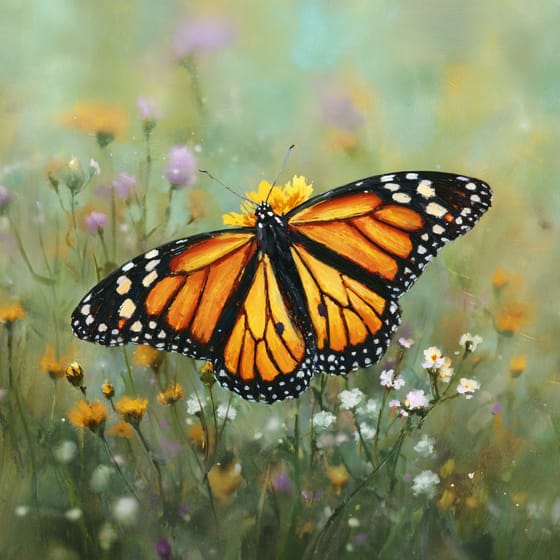
Danaus plexippus
visits flowers for nectar
Apis mellifera
collects nectar and pollen
Pieris rapae
caterpillars feed on leaves
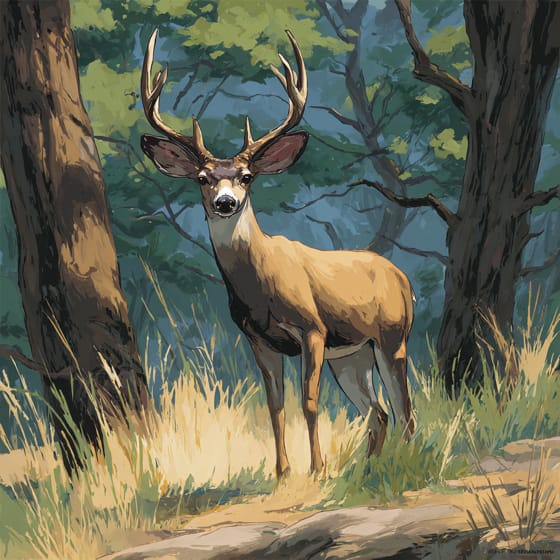
Odocoileus hemionus
deer browse on foliage
Aromatic plants produce and emit fragrant volatile organic compounds, often for defense or to attract pollinators.
Flowering plants are any plants that produce flowers as part of their reproductive cycle.
Spring blooming plants produce their flowers during the spring season, often signifying the end of winter and the start of new growth.
Fragrant flowers emit a pleasant aroma, often to attract pollinators or for defense.

Colorful describes organisms or objects displaying a wide range of bright and distinct colors.

Grassland habitats are terrestrial biomes dominated by grasses and herbaceous plants, supporting a variety of grazing animals.

Describes plants that are particularly attractive and beneficial to a wide range of pollinating organisms.
No aliases listed yet.
Danger
1/5 · Very low
Always look but don't pick flowers, so everyone can enjoy them!
The easiest way to identify Western Wallflower is to use the Snappit nature identifier app.
20-80 cm
15-30 cm
1-2.5 cm
Spring and early summer
Yes
Mild
Perennial
Zoom in to split clusters and explore where this object has been snapped.

Massachusetts, US
You might spot Hemlock Woolly Adelgid, Eastern Newt, and Red Trillium.
View guide →

Colorado, US
You might spot Rocky Mountain Marsh-Marigold and American Bistort.
View guide →

Colorado, US
You might spot Elk, Mule Deer, and Black-Billed Magpie.
View guide →

Colorado, US
You might spot Great Basin Bristlecone Pine and Fireweed.
View guide →

Colorado, US
You might spot Elk, Mule Deer, and Moose.
View guide →

Colorado, US
You might spot Front Range Beardtongue and Mountain Ball Cactus.
View guide →
Take the discovery with you
Snap it with Snappit to identify it, learn what makes it special, and add the discovery to your collection.








.jpg&width=800)


_001.jpg&width=800)




