





Western Whiptail
Aspidoscelis tigris
The Western Whiptail is a fast little lizard with a long tail and beautiful stripes. They love to run around in the sun and can often be seen darting across the ground.
Habitat: Grasslands
The Western Whiptail has a very long, slender body with a distinctly whip-like tail, often twice the length of its body. Its granular scales are typically light brown or tan, marked with darker stripes, spots, or net-like patterns, and sometimes a pale belly.
Category
ReptilesRarity
Common
Danger
1/5 · Very low
Snaps
22
Their long tails help them balance perfectly and make sharp turns when running at top speed.
They constantly flick their tongues, not just to smell, but also to 'taste' their surroundings for prey!
Western Whiptails are always on the move, rarely sitting still, making them tough to spot!
Young whiptails are totally independent from the moment they hatch, finding their own food!
Western Whiptail can shed its tail when grabbed by a predator because of a special break-away ability that helps them escape.
Western Whiptail can sprint at impressive speeds because of its strong legs and lightweight body that helps them catch prey and flee danger.
Western Whiptail has excellent vision that helps them spot tiny insects and other food items moving across the ground from a distance.
Western Whiptail can quickly dig shallow burrows because of its strong claws that helps them hide from predators or escape extreme heat.
These speedy lizards love to munch on all sorts of creepy crawlies they find scurrying about!
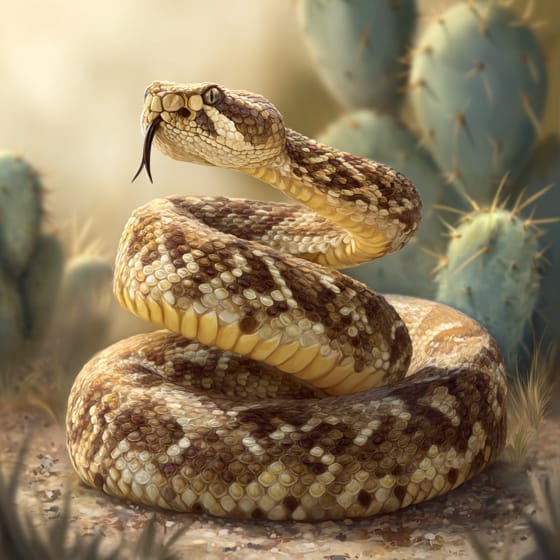
Crotalus atrox
A primary snake predator in desert environments.
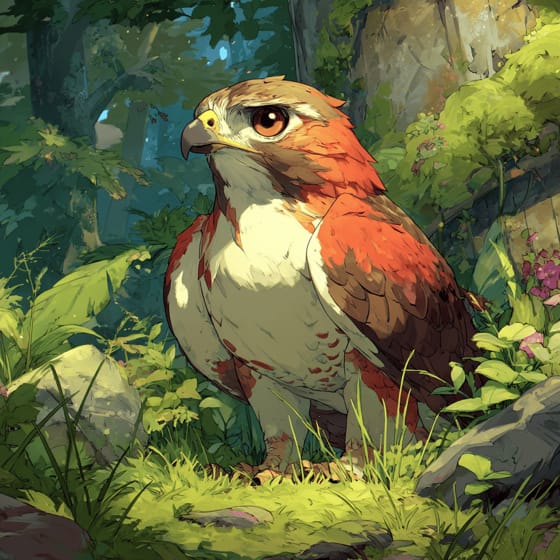
Buteo jamaicensis
Often hunted by this widespread bird of prey.

Pogonomyrmex californicus
Feeds on these abundant ants found in its habitat.
Eleodes obscura
Actively forages for various ground beetles.
Marked with parallel bands or lines of color.
Solitary animals live alone for most of their lives, only interacting with others for mating or parental care.
Colorful describes organisms or objects displaying a wide range of bright and distinct colors.
Grassland habitats are terrestrial biomes dominated by grasses and herbaceous plants, supporting a variety of grazing animals.

This trait identifies organisms whose diet primarily consists of insects and other small invertebrates.

Thermoregulating organisms maintain a stable internal body temperature despite fluctuations in the external environment.

Diurnal animals are primarily active during daylight hours, typically resting or sleeping at night.

This trait identifies organisms that exhibit exceptional swiftness in movement for hunting, escape, or travel.
No aliases listed yet.
Danger
1/5 · Very low
Always watch where you step, as lizards can be quick and might dart away!
The easiest way to identify Western Whiptail is to use the Snappit nature identifier app.
15-35 cm
0.01-0.03 kg
3-7 years
25 km/h
These speedy lizards love to munch on all sorts of creepy crawlies they find scurrying about!
Grasslands
Pursuit
Zoom in to split clusters and explore where this object has been snapped.

California, US
You might spot Western Fence Lizard and California Brittlebush.
View guide →

California, US
You might spot Warrior's Plume and Purple Owl's-Clover.
View guide →

Colorado, US
You might spot Common Side-Blotched Lizard and Eastern Collared Lizard.
View guide →

California, US
You might spot Western Fence Lizard, Duck, and California Brittlebush.
View guide →

California, US
You might spot Desert Holly, Western Joshua Tree, and Creosote Bush.
View guide →

Nevada, US
You might spot Creosote Bush, Brittlebush, and Beavertail Pricklypear.
View guide →
Take the discovery with you
Snap it with Snappit to identify it, learn what makes it special, and add the discovery to your collection.













