





Turkey
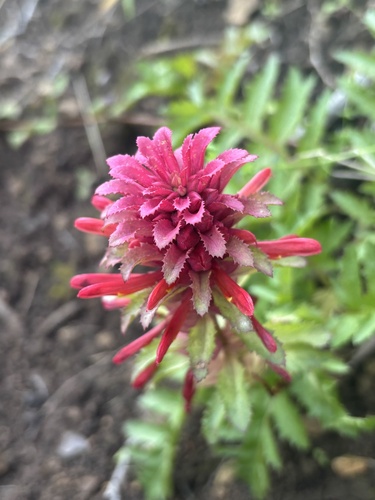
Nestled in the eastern foothills of the Santa Cruz Mountains, the Jasper Ridge Biological Preserve (`Ootchamin `Ooyakma) spans 1,193 acres, offering a remarkable sanctuary for biodiversity and a dynamic outdoor classroom.
Nestled in the eastern foothills of the Santa Cruz Mountains, the Jasper Ridge Biological Preserve (`Ootchamin `Ooyakma) spans 1,193 acres, offering a remarkable sanctuary for biodiversity and a dynamic outdoor classroom. This protected landscape, owned by Stanford University, is dedicated to understanding Earth’s natural systems through pioneering research and experiential education, making it a pivotal site for environmental science. Its varied terrain encompasses a mosaic of ecosystems, from expansive oak woodlands and chaparral to unique serpentine grasslands and riparian corridors, providing a rich tapestry for scientific inquiry and nature appreciation.
The preserve is home to Searsville Lake, a significant reservoir that serves as a focal point for much of the preserve's ecological activity, alongside the upper reaches of San Francisquito Creek. Visitors on docent-led tours can explore these diverse habitats, encountering iconic California flora like the majestic Coast Live Oaks and vibrant serpentine wildflowers. The preserve also supports a wealth of wildlife, including frequently monitored species such as the elusive mountain lions, bobcats, and mule deer, along with various bird species like the Golden Eagle and the ecologically significant California Red-legged Frog. Ongoing research projects, such as global change experiments and invasive species management, offer profound insights into conservation challenges.
While not open for casual public access, Jasper Ridge offers an unparalleled opportunity for guided learning, fostering a deep connection to nature and a greater understanding of ecological processes. The docent-led experiences are carefully curated to highlight the preserve's natural history and the cutting-edge research conducted within its boundaries, inspiring future generations of environmental leaders. It serves as a vital refuge for native plants and animals, showcasing how long-term scientific study can inform effective stewardship and address global environmental challenges. Wondering what that bird or insect is? Find out on your visit using the Snappit nature app.
The Jasper Ridge Biological Preserve boasts a rich history of human interaction and environmental change. The area was originally inhabited by the Muwekma Ohlone, with occupation sites dating back over 5,000 years, and permanent villages established between 600 and 2000 years ago. In the late 19th century, the landscape was transformed by the construction of Searsville Dam in 1891, which impounded four tributaries of San Francisquito Creek to create Searsville Lake. Stanford University acquired the dam, lake, and adjacent lands between 1892 and 1926. For several decades, the Searsville Lake area was managed as a recreational park, known as Searsville Lake Park, even as scientific studies within the central portion of the preserve began to intensify. However, growing conflicts between recreational use and the needs of scientific research prompted Stanford biology professors to advocate for greater protection. In 1973, the Stanford University Trustees formally designated the 960-acre parcel as the "Jasper Ridge Biological Preserve," ending recreational activities by 1975 to prioritize its mission of research and conservation. This pivotal decision cemented its role as a dedicated living laboratory, a legacy further enhanced by the construction of the Leslie Shao-ming Sun Field Station in 2002, providing state-of-the-art facilities for researchers and educators.
Engage with knowledgeable docents who bring the preserve to life by discussing its geology, ecology, and the various plant and animal species. Observe the different plant communities, look for native wildlife, and learn about the environmental challenges being studied. It's an opportunity for immersive outdoor education rather than recreational hiking.
Winter/Spring: Expect cooler, potentially wet weather. Ticks are most active from December through June, so prepare accordingly. This is also the best time for lush greenery and vibrant wildflowers.
Fall: Generally pleasant weather, suitable for hiking and observing fall colors in deciduous plants.
Tours operate during most conditions, but heavy rain or severe weather warnings will lead to cancellations.
Tours are conducted on singletrack trails and gravel roads, which may include 100-500 feet of elevation gain. Visitors with accessibility constraints are advised to coordinate with staff regarding parking and potential accommodations. All visitors must be 14 years or older, unless prior approval is obtained from the Executive Director.
The primary highlight is the docent-led educational hiking tour, which provides in-depth insights into the preserve's ecosystems, history, and ongoing research. Specific areas of interest include Searsville Lake, the diverse oak woodlands (featuring Coast Live and Blue Oaks), unique serpentine grasslands with their specialized flora, and riparian habitats along the creeks. You might learn about long-term global change experiments or bat monitoring stations.
Each card links to a full Explore page with photos, traits, and fun facts.
Start with the big picture, then zoom in to explore individual wildlife observations around this place.
Book in Advance
Public tours are by appointment only and are popular. Plan and schedule your docent-led tour well in advance to secure your spot.
Dress for the Outdoors
Wear sturdy, closed-toe shoes or hiking boots, long pants, and long-sleeved shirts to protect against ticks and poison oak. Layer clothing for varying weather conditions.
Stay Hydrated and Protected
Bring 1-2 liters of water, a hat, sunglasses, and sunscreen. Insect repellent is also highly recommended, especially during tick season (December through June).
No Food on Trails
To protect the preserve's ecosystem, food is not allowed on trails. Please consume snacks at your car or the Field Station before or after your tour.
Stay on Trails and Be Observant
Always remain on designated trails as instructed by your docent to protect sensitive habitats and for your safety. Be alert for wildlife, including mountain lions and wild turkeys.
Check for Ticks
After your visit, perform a thorough tick check following CDC guidelines, especially from December through June when ticks are most active.
Jun 17, 2026
Jun 17, 2026
Jun 17, 2026
Jun 17, 2026
Jun 17, 2026

Maryland, US
You might spot White-Tailed Deer and Eastern Gray Squirrel.
View guide →
.jpg)
District of Columbia, US
You might spot Eastern Gray Squirrel, Duck, and House Sparrow.
View guide →

Illinois, US
You might spot American Robin, Canada Goose, and House Sparrow.
View guide →

Virginia, US
You might spot Spotted Lanternfly and Northern Cardinal.
View guide →
Take the discovery with you
Identify the wildlife you spot, learn as you go, and keep a collection of the adventure.


















_dragonfly%2C_female_(5070363690).jpg&width=800)

