





White-backed Woodpecker
Dendrocopos leucotos
The White-backed Woodpecker is a special bird with a striking white back and a black and white head. It loves to peck on trees to find yummy bugs to eat and makes a fun drumming sound when it taps on wood.
Habitat: Forests
The White-backed Woodpecker is a large woodpecker recognized by its prominent white lower back, contrasting with a black upper body. Males feature a red cap, while females have a black one. Its wings show distinctive white barring on a dark background.
Category
BirdsRarity
Common
Danger
1/5 · Very low
Snaps
Be the first to snap!
Its tongue can extend far beyond its beak, helping it find hidden meals!
They use powerful drumming on trees to find a mate and mark their territory.
This woodpecker prefers to eat insects from dead or dying trees, acting like a forest cleaner!
Woodpeckers have special muscles and bones around their eyes to protect them while pecking!
White-backed Woodpecker has a unique skull structure that absorbs shock, preventing brain injury during powerful pecking.
White-backed Woodpecker can extend its super-long, barbed tongue to extract beetle larvae from deep within deadwood.
White-backed Woodpecker can cling vertically to tree trunks using strong zygodactyl feet and stiff tail feathers for support.
Mainly eats insect larvae found deep within dead or decaying wood, along with some ants and berries.
Cerambyx cerdo
larvae from decaying wood
Formica rufa
ants from forest floor
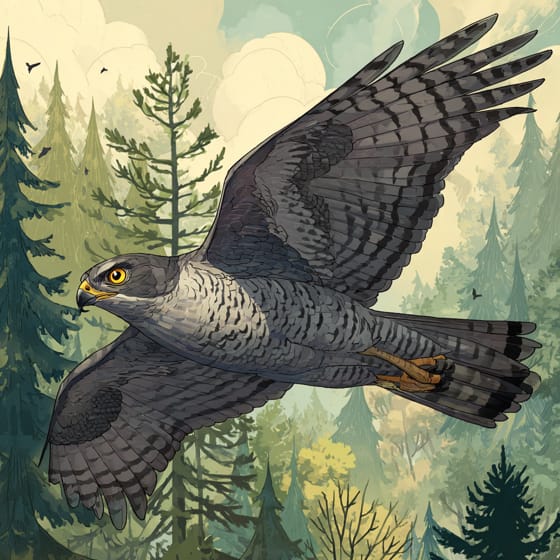
Accipiter gentilis
a predator of adult woodpeckers
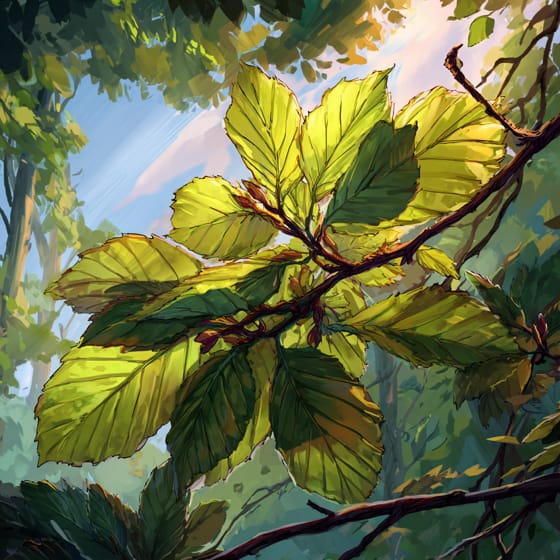
Fagus sylvatica
old, decaying trees for nesting and food
Feathered describes animals, primarily birds, possessing a covering of feathers.
Social animals live in organized groups, cooperating for survival benefits such as foraging, defense, and raising offspring.
Arboreal animals live primarily in trees, utilizing them for shelter, food, and protection from predators.
This trait identifies organisms whose diet primarily consists of insects and other small invertebrates.

This trait describes organisms that manipulate external objects to achieve a specific goal.

Forest habitats are terrestrial environments dominated by dense tree cover, supporting a high diversity of plant and animal life.

Diurnal animals are primarily active during daylight hours, typically resting or sleeping at night.

Endangered status indicates a species is at a very high risk of extinction in the wild in the near future.
No aliases listed yet.
Danger
1/5 · Very low
Always watch birds from a distance and don't try to touch them.
The easiest way to identify White-backed Woodpecker is to use the Snappit nature identifier app.
24-28 cm
38-40 cm
0.07-0.12 kg
5-10 years
50 km/h
Mainly eats insect larvae found deep within dead or decaying wood, along with some ants and berries.
Forests
Zoom in to split clusters and explore where this object has been snapped.
Recent snaps will appear here as new observations are added.
Take the discovery with you
Snap it with Snappit to identify it, learn what makes it special, and add the discovery to your collection.




.jpg&width=800)








