





Pine Siskin
Spinus pinus
The Pine Siskin is a small, cheerful bird that loves to flit around trees. With its yellow-tipped wings and lively chirps, it brings joy to forests and backyards alike!
Habitat: Forests
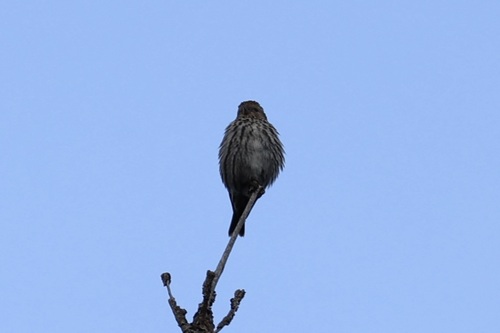
The Pine Siskin is a small, streaky brown finch with a finely pointed beak. It has distinctive bright yellow patches on its wings and tail, especially visible when it flies. These yellow flashes help distinguish it from other small, brown streaky birds.
Category
BirdsRarity
Common
Danger
1/5 · Very low
Snaps
8
A Pine Siskin's call sounds like a zippy, buzzing "zweeeeet"!
Pine Siskins will sometimes drink maple sap from tree wounds!
Their flocks can number in the thousands, swirling like smoke!
These tough birds can start nesting even in cold, snowy weather!
Pine Siskin can extract tiny seeds from pine cones because of its slender, pointed beak that pries open scales.
Pine Siskin can suddenly move long distances in search of food because their population follows cone crops across continents.
Pine Siskin can hang upside down on branches because their flexible feet help them reach tricky seeds other birds miss.
Tiny seeds from conifers and weeds are this bird's favorite snack, occasionally adding small insects for protein.
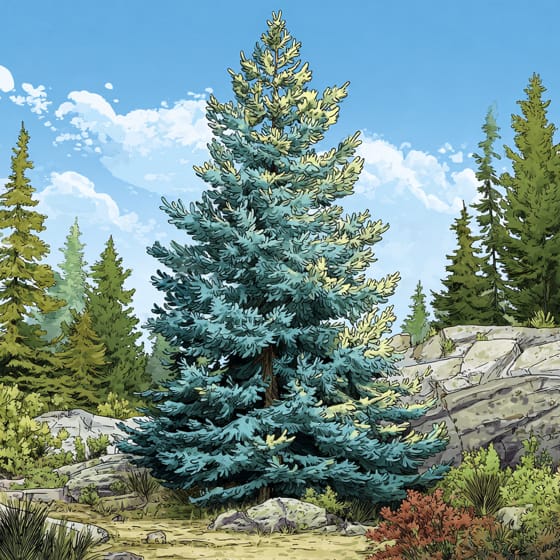
Picea glauca
Primary food source from its cones.
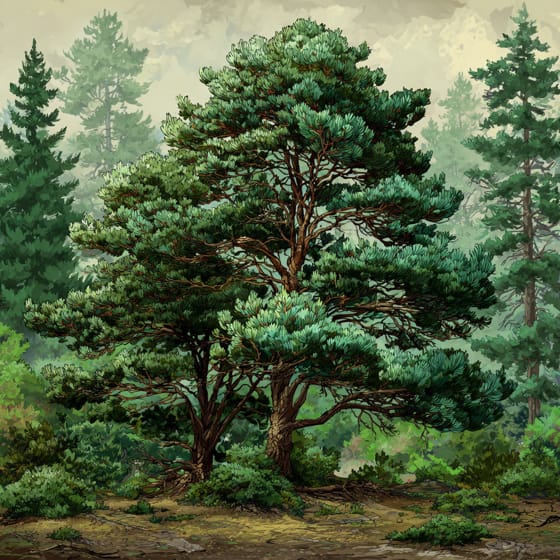
Pinus strobus
Reliable seed source, especially during winter.

Accipiter striatus
A common avian predator of small songbirds.
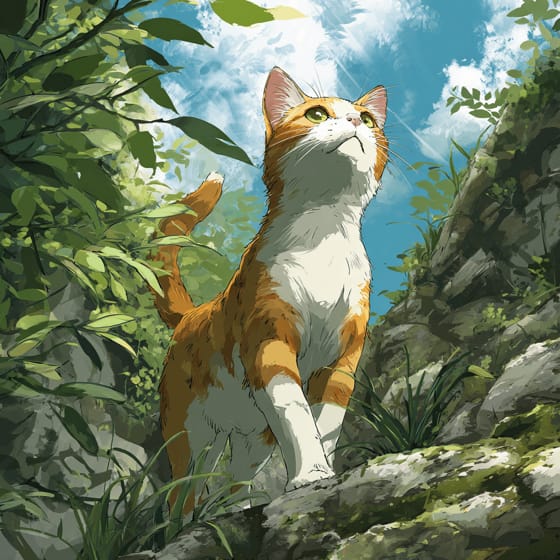
Felis catus
Outdoor cats are significant predators.
Feathered describes animals, primarily birds, possessing a covering of feathers.
Social animals live in organized groups, cooperating for survival benefits such as foraging, defense, and raising offspring.
Singing animals produce complex vocalizations, often for purposes of attracting mates, defending territory, or communicating within their species.
This trait characterizes organisms whose diet consists entirely or primarily of plant material.

Forest habitats are terrestrial environments dominated by dense tree cover, supporting a high diversity of plant and animal life.

Diurnal animals are primarily active during daylight hours, typically resting or sleeping at night.

Migratory animals undertake seasonal movements from one region to another, typically in response to changes in climate or food availability.
No aliases listed yet.
Danger
1/5 · Very low
Enjoy watching birds from a distance and don't try to touch them.
The easiest way to identify Pine Siskin is to use the Snappit nature identifier app.
11-14 cm
18-22 cm
0.012-0.018 kg
1-9 years
50 km/h
Tiny seeds from conifers and weeds are this bird's favorite snack, occasionally adding small insects for protein.
Forests
Zoom in to split clusters and explore where this object has been snapped.
Jul 17, 2025
Cut Bank Ranger Station Historic DistrictPhoto attribution
no rights reserved
License: CC0 1.0 ↗
Image may be shown cropped inside the card frame.

New Mexico, US
You might spot Tree Cholla, Colorado Pinyon, and House Finch.
View guide →

Montana, US
You might spot Great Blanketflower and Seven-Spotted Lady Beetle.
View guide →

Oregon, US
You might spot White Pasqueflower and Clark's Nutcracker.
View guide →

Colorado, US
You might spot Great Basin Bristlecone Pine and Mule Deer.
View guide →

British Columbia, CA
You might spot White Twisted-Stalk and Western Skunk Cabbage.
View guide →
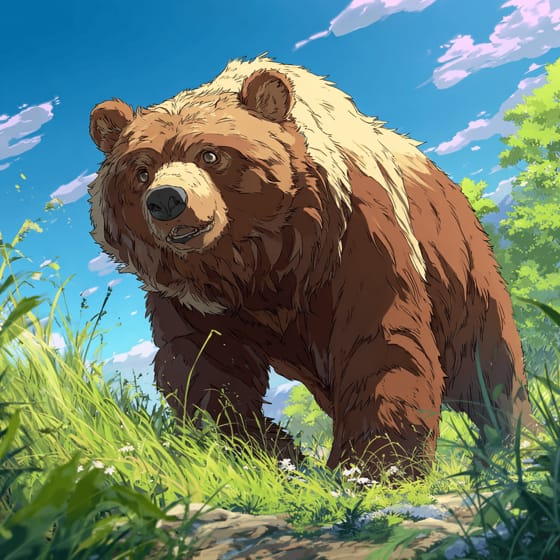
Alaska, US
You might spot Brown Bear, Black Bear, and Moose.
View guide →
Take the discovery with you
Snap it with Snappit to identify it, learn what makes it special, and add the discovery to your collection.




.jpg&width=800)






