





Tundra Swan
Cygnus columbianus
The Tundra Swan is a beautiful bird that migrates long distances! It has a lovely white body and a bright yellow patch on its face.
Habitat: Wetlands and coastal areas
The Tundra Swan is a medium-sized white swan with a long, elegant neck. It typically has a black bill, often with a small yellow spot near the eye, and black legs and feet. It is visually distinct from the larger Trumpeter Swan by its often smaller size and the yellow marking.
Category
BirdsRarity
Rare
Danger
2/5 · Low
Snaps
4
A group of flying swans is called a "wedge" – very cool!
Baby swans, called cygnets, are born gray and turn white later.
They swallow grit and small stones to help digest tough plants.
Tundra Swans mate for life and teach their young migration routes.
Tundra Swans can migrate thousands of kilometers because of their incredible stamina, helping them find food and avoid harsh winter ice.
Tundra Swans have extra-long necks that allow them to reach aquatic plants deep underwater, a crucial food source.
Tundra Swans can make varied trumpeting calls because of their long windpipe, helping them communicate within their flock.
These large birds munch on tasty underwater plants and grains from farm fields!
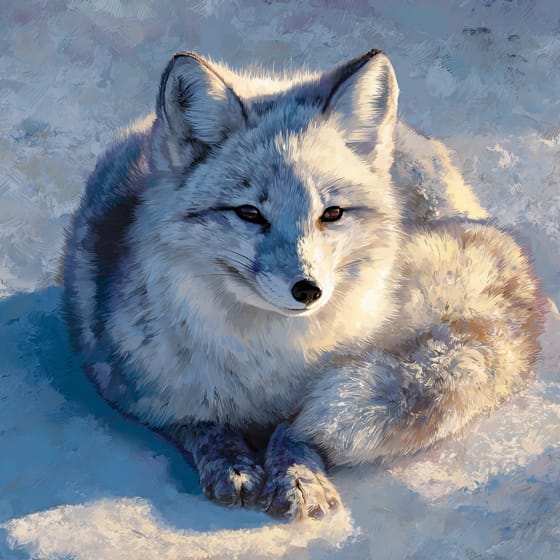
Vulpes lagopus
Foxes prey on Tundra Swan eggs and young cygnets on the tundra.

Haliaeetus leucocephalus
Eagles may hunt young Tundra Swan cygnets in some wintering areas.
Potamogeton crispus
Swans forage extensively on the roots and tubers of pondweed species.
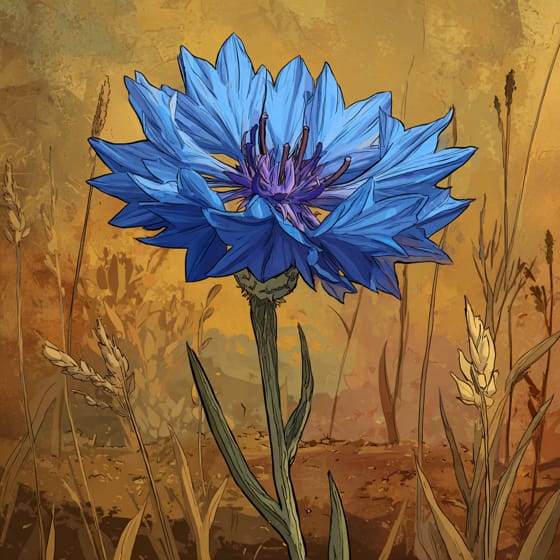
Zea mays
They feed on waste grain like corn in agricultural fields during migration.
Wildlife encompasses all undomesticated animal and plant life existing in their natural habitats.
Feathered describes animals, primarily birds, possessing a covering of feathers.
Characterized by having toes connected by a membrane, typically aiding in swimming.
This trait characterizes organisms whose diet consists entirely or primarily of plant material.

This habitat trait identifies species found in wetlands, which are areas of land saturated with water, either permanently or seasonally, including marshes, swamps, and bogs.

Migratory animals undertake seasonal movements from one region to another, typically in response to changes in climate or food availability.

Nocturnal animals are primarily active during the nighttime hours, typically resting or sleeping during the day.
No aliases listed yet.
Danger
2/5 · Low
Watch quietly from a distance and never try to feed or chase wild animals.
The easiest way to identify Tundra Swan is to use the Snappit nature identifier app.
120-150 cm
170-200 cm
6-9 kg
10-20 years
80 km/h
These large birds munch on tasty underwater plants and grains from farm fields!
Wetlands and coastal areas
Zoom in to split clusters and explore where this object has been snapped.

Virginia, US
You might spot Eastern Box Turtle and Northern Cricket Frog.
View guide →

Virginia, US
You might spot White-Tailed Deer, Northern Cricket Frog, and Garter Snake.
View guide →
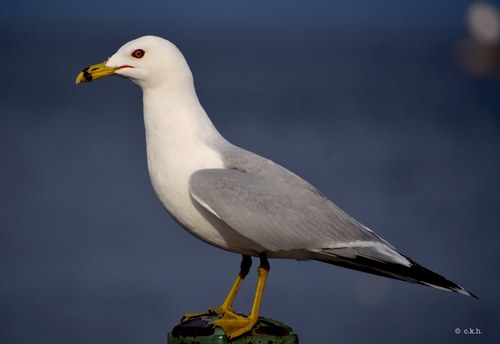
Indiana, US
You might spot Ring-Billed Gull, Duck, and Greater White-Fronted Goose.
View guide →

California, US
You might spot Sandhill Crane and Spined Turban Gall Wasp.
View guide →

Maryland, US
You might spot Bufflehead, Common Goldeneye, and Duck.
View guide →

Illinois, US
You might spot Canada Goose, Common Milkweed, and Wild Bergamot.
View guide →
Take the discovery with you
Snap it with Snappit to identify it, learn what makes it special, and add the discovery to your collection.






.jpg&width=800)







