




White-necked Raven
Corvus albicollis
The White-necked Raven is a clever bird with a shiny black body and a white neck. They are known for their intelligence and can often be seen playing and exploring in their habitats.
Habitat: Mountain regions
The White-necked Raven is a large, striking bird with glossy black feathers covering most of its body. It has a distinctive, bright white patch on the nape and back of its neck, clearly visible against its dark plumage. Its bill is large and slightly arched.
Category
BirdsRarity
Common
Danger
1/5 · Very low
Snaps
Be the first to snap!
These smart birds remember human faces, even after many years.
They can crack open eggs by dropping them onto hard rocks!
They sometimes play a game of 'catch' with objects in the air!
White-necked Ravens will often hide extra food for later snacks.
White-necked Raven can use tools like sticks or stones because this helps them find hidden food or crack open tough shells.
White-necked Raven has high intelligence that helps them figure out complex puzzles to access rewards or navigate tricky situations.
White-necked Raven can ride thermal air currents because this helps them conserve energy while searching vast areas for food from high above.
A super flexible eater, it munches on almost anything from insects and fruit to carrion!
Agama atricollis
Preys on these lizards found in its habitat.
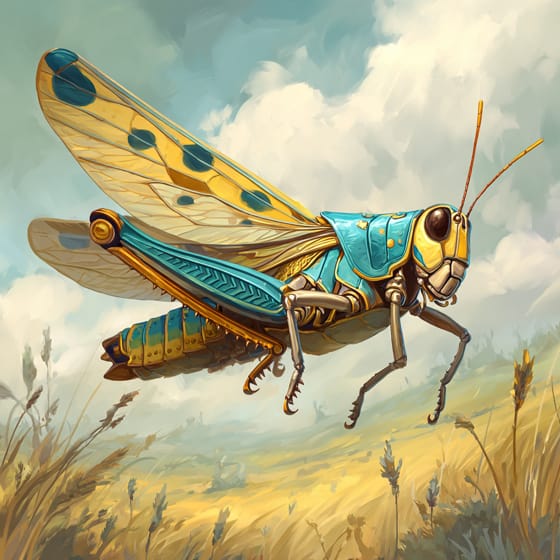
Locusta migratoria
A key food source, especially during outbreaks.
Connochaetes taurinus
Scavenges carrion from these and other large mammals.
Aquila verreauxii
Eggs and nestlings are sometimes prey for these eagles.
Feathered describes animals, primarily birds, possessing a covering of feathers.
Social animals live in organized groups, cooperating for survival benefits such as foraging, defense, and raising offspring.
This trait identifies organisms whose diet includes both plant and animal matter.
Scavengers consume dead organic matter, helping to decompose carcasses and other waste in the ecosystem.

Singing animals produce complex vocalizations, often for purposes of attracting mates, defending territory, or communicating within their species.

This trait describes organisms that manipulate external objects to achieve a specific goal.

This habitat trait identifies species found in mountainous regions, characterized by high elevation, steep slopes, and varying climate zones.

Diurnal animals are primarily active during daylight hours, typically resting or sleeping at night.
No aliases listed yet.
Danger
1/5 · Very low
Enjoy watching these birds from a distance, and don't try to touch them.
The easiest way to identify White-necked Raven is to use the Snappit nature identifier app.
50-54 cm
80-92 cm
0.76-1.18 kg
10-20 years
65 km/h
A super flexible eater, it munches on almost anything from insects and fruit to carrion!
Mountain regions
Zoom in to split clusters and explore where this object has been snapped.
Recent snaps will appear here as new observations are added.
Take the discovery with you
Snap it with Snappit to identify it, learn what makes it special, and add the discovery to your collection.




.jpg&width=800)









