





white rattlesnake root
Nabalus albus
White rattlesnake root is a special plant with big, green leaves and fluffy white flowers. It grows in shady places and is loved by butterflies and bees!
Habitat: Forests
The white rattlesnake root has slender, purplish-green stems topped with delicate clusters of nodding, bell-shaped flowers. Its blooms are creamy white to pale greenish-yellow, resembling tiny dangling bells amidst deeply lobed leaves, making it visually distinct in shady woodlands.
Category
PlantsRarity
Common
Danger
1/5 · Very low
Snaps
1
Its hanging flowers hide nectar, making insects work harder to find a sweet treat!
Its roots were once thought to cure rattlesnake bites!
Look closely, its purplish stems can change color in the sun!
The plant's scientific name, Nabalus, means "harp," possibly for its leaf shape!
White rattlesnake root's late-summer blooms provide vital nectar for pollinators when many other flowers have already faded.
This plant has bitter compounds in its roots and leaves that deter most animals from nibbling on it.
White rattlesnake root can grow well in shady forests, finding light where many sun-loving plants struggle to survive.
Bombus impatiens
Visits flowers for nectar and pollen.
Apis mellifera
Collects nectar and pollen from its blooms.
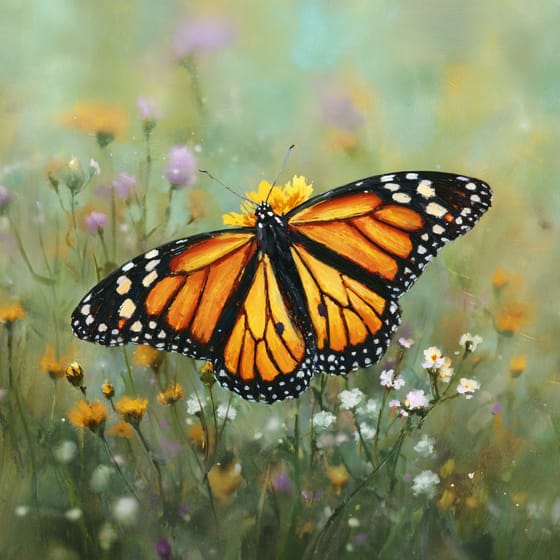
Danaus plexippus
Feeds on nectar from its late-season flowers.
Aromatic plants produce and emit fragrant volatile organic compounds, often for defense or to attract pollinators.
Deciduous plants periodically shed all their leaves, typically during autumn or dry seasons.
Flowering plants are any plants that produce flowers as part of their reproductive cycle.
Cluster flowers are inflorescences where individual flowers are arranged closely together on a common stem.

Shade tolerant plants are adapted to grow and thrive in areas with low light levels, requiring less direct sunlight.

Broadleaf trees are angiosperms characterized by flat, wide leaves that are typically shed annually in temperate climates.

Medicinal plants possess chemical compounds that can be used for therapeutic purposes to treat illnesses or maintain health.

Describes plants that are particularly attractive and beneficial to a wide range of pollinating organisms.

Forest habitats are terrestrial environments dominated by dense tree cover, supporting a high diversity of plant and animal life.
No aliases listed yet.
Danger
1/5 · Very low
Always look but don't touch plants unless a grown-up says it's okay.
The easiest way to identify white rattlesnake root is to use the Snappit nature identifier app.
30-150 cm
30-60 cm
0.5-1 cm
Late summer to fall
No
Mild
Perennial
Zoom in to split clusters and explore where this object has been snapped.
Take the discovery with you
Snap it with Snappit to identify it, learn what makes it special, and add the discovery to your collection.






.jpg&width=800)


_001.jpg&width=800)



