





White-speck Moth
Mythimna unipuncta
The White-speck Moth is a small, fluffy moth with white spots on its wings. It loves to fly around at night and can be found in gardens and fields, making it a fun friend to spot!
Habitat: Urban areas
The White-speck Moth has pale brown to tan forewings, each with a distinctive white spot near the center. Its hindwings are usually a lighter gray or off-white. This medium-sized moth has a robust, streamlined body.
Category
InsectsRarity
Common
Danger
1/5 · Very low
Snaps
Be the first to snap!
Female moths can lay hundreds of tiny eggs, often in neat rows on leaves.
Its caterpillars are nicknamed "armyworms" for marching in large groups to find food!
Some White-speck Moths migrate across oceans, a journey of thousands of miles!
They sometimes drink tree sap, using their proboscis like a straw to get nutrients.
White-speck Moth can travel long distances because its robust wings and keen senses help it navigate across continents.
White-speck Moth has a long, coiled proboscis that helps them sip nectar deeply from a variety of flowers.
White-speck Moth can hear bats because they possess special ear-like organs on their thorax, helping them avoid predators.
White-speck Moth has drab, earthy colors that help them blend perfectly with tree bark or dry leaves during the day.
Adults sip nectar from flowers; caterpillars munch on various plants.
Age differences: Larvae (caterpillars) feed on plant leaves and stems, while adults primarily consume nectar.
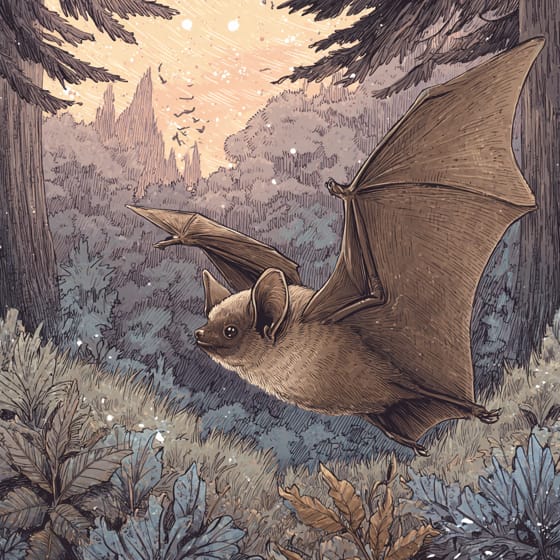
Myotis lucifugus
Bats hunt moths using echolocation at night.
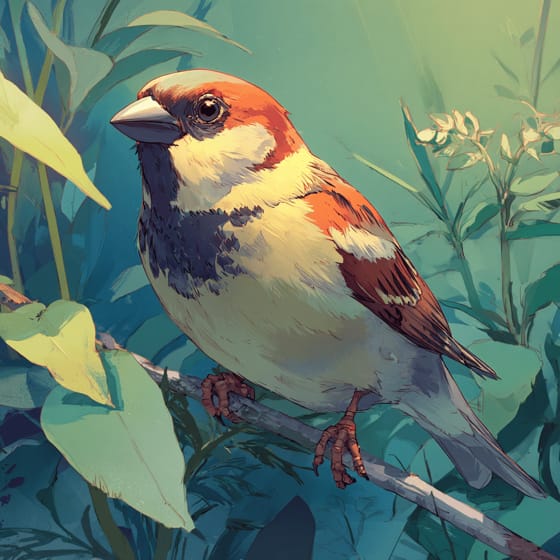
Passer domesticus
Birds prey on moths, especially during the day.
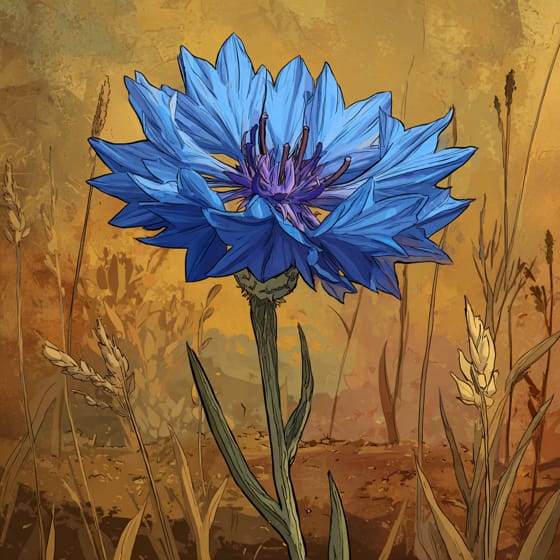
Zea mays
Caterpillars can be pests on corn crops.

Trifolium repens
Caterpillars feed on clover, and adults sip its nectar.
Cotesia marginiventris
Female wasps lay eggs inside moth caterpillars.
Furry describes animals possessing a dense covering of soft hair or fur.
Marked with spots or patches of a different color.
Solitary animals live alone for most of their lives, only interacting with others for mating or parental care.
This trait characterizes organisms whose diet consists entirely or primarily of plant material.

This habitat trait indicates species that can coexist with humans in urban and suburban environments, utilizing man-made structures and green spaces.

Nocturnal animals are primarily active during the nighttime hours, typically resting or sleeping during the day.

Describes organisms that transfer pollen, enabling the fertilization and reproduction of plants.
No aliases listed yet.
Danger
1/5 · Very low
Moths are usually harmless, but it's best to watch them from a distance.
The easiest way to identify White-speck Moth is to use the Snappit nature identifier app.
35-45 mm
15-20 mm
10-20 days
15 km/h
Adults sip nectar from flowers; caterpillars munch on various plants.
Urban areas
Foraging
Zoom in to split clusters and explore where this object has been snapped.
Recent snaps will appear here as new observations are added.
Take the discovery with you
Snap it with Snappit to identify it, learn what makes it special, and add the discovery to your collection.







.jpg&width=800)




