





Smew
Mergellus albellus
The Smew is a small, beautiful duck with a striking black and white pattern. They love to swim and dive in the water, making them fun to watch as they hunt for fish and insects.
Habitat: Wetlands
The Smew is a small diving duck with a distinctive look. Males are bright white with a black back and a striking black mask around their eyes, resembling a stylish tuxedo. Females have a grey body with a reddish-brown crown and nape, and a white cheek patch.
Category
BirdsRarity
Common
Danger
1/5 · Very low
Snaps
Be the first to snap!
It's the smallest kind of 'sawbill' duck, famous for eating fish!
Smew males have a special 'eyeliner' patch that makes them look super cool!
Smews often use old woodpecker nests high up in trees to lay eggs.
They fly thousands of kilometers each year, seeking warmer waters!
Smew can swim and dive deep using its powerful legs because this helps them chase fast-moving fish underwater.
Smew has the ability to nest in old tree holes because this provides a safe, elevated spot for their eggs away from many predators.
Smew can spot prey quickly underwater because its eyes are adapted for clear vision in murky water.
Smews are expert underwater hunters, mostly eating small fish, insects, and other water critters.
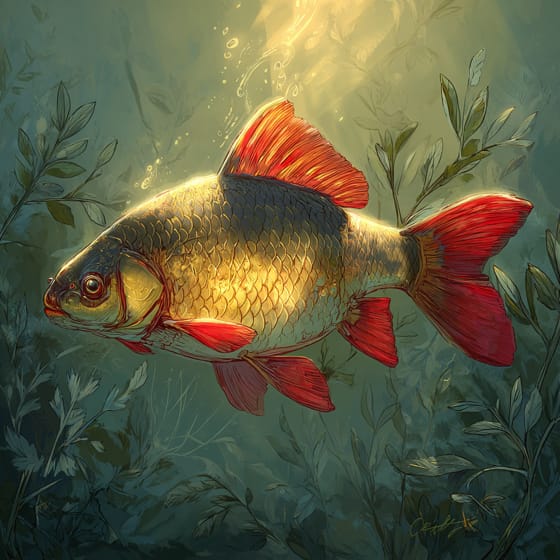
Rutilus rutilus
A common small fish prey in freshwaters.

Haliaeetus albicilla
Large raptors can prey on adult Smews.
Picoides tridactylus
Smews use their old nesting holes for shelter.
Dytiscus marginalis
Aquatic insects like these are a food source.
Feathered describes animals, primarily birds, possessing a covering of feathers.
Characterized by having toes connected by a membrane, typically aiding in swimming.
Social animals live in organized groups, cooperating for survival benefits such as foraging, defense, and raising offspring.
Colorful describes organisms or objects displaying a wide range of bright and distinct colors.

Piscivorous organisms are animals that primarily subsist on a diet of fish.

This habitat trait identifies species found in wetlands, which are areas of land saturated with water, either permanently or seasonally, including marshes, swamps, and bogs.

Diurnal animals are primarily active during daylight hours, typically resting or sleeping at night.

Freshwater habitats include non-saline aquatic environments such as rivers, lakes, ponds, and wetlands, vital for numerous species.

Aquatic habitats encompass environments where organisms live predominantly in water, including oceans, rivers, lakes, and wetlands.

Migratory animals undertake seasonal movements from one region to another, typically in response to changes in climate or food availability.
No aliases listed yet.
Danger
1/5 · Very low
Always watch birds from a distance and do not try to touch them.
The easiest way to identify Smew is to use the Snappit nature identifier app.
38-44 cm
64-73 cm
0.45-0.65 kg
8-12 years
80 km/h
Smews are expert underwater hunters, mostly eating small fish, insects, and other water critters.
Wetlands
Zoom in to split clusters and explore where this object has been snapped.
Recent snaps will appear here as new observations are added.
Take the discovery with you
Snap it with Snappit to identify it, learn what makes it special, and add the discovery to your collection.




.jpg&width=800)







