





White-Tailed Ptarmigan
lagopus leucura
The White-Tailed Ptarmigan is a fluffy bird that changes color with the seasons! It loves to play in the snow and can be very hard to spot because of its camouflaged feathers.
Habitat: Mountainous areas with snow and rocks, mainly in North America.
The White-Tailed Ptarmigan is a medium-sized bird with rounded wings and a short, stout bill. It is unique for its all-white tail feathers, which remain white year-round. Its plumage dramatically changes from mottled brown in summer to pure white in winter for camouflage.
Category
BirdsRarity
Common
Danger
1/5 · Very low
Snaps
3
Baby ptarmigans can walk and find their own food just hours after hatching!
Male ptarmigans perform funny display flights to attract a mate in spring.
Their winter diet of tough willow buds shows how hardy these mountain birds are!
These tough birds stay high on snowy mountains year-round, even through winter!
White-Tailed Ptarmigan can change feather colors seasonally because it helps them blend perfectly with their snowy or rocky habitat.
White-Tailed Ptarmigan has heavily feathered feet that act like natural snowshoes, helping them walk easily on deep snow.
White-Tailed Ptarmigan can burrow into snow for warmth because it helps them hide from predators and harsh winter weather.
These birds are plant-eaters, feasting on mountain plants and tiny insects when young.
Age differences: Chicks eat insects for quick growth, while adults primarily eat plant matter like buds and leaves.

Aquila chrysaetos
A powerful bird of prey that hunts ptarmigans.
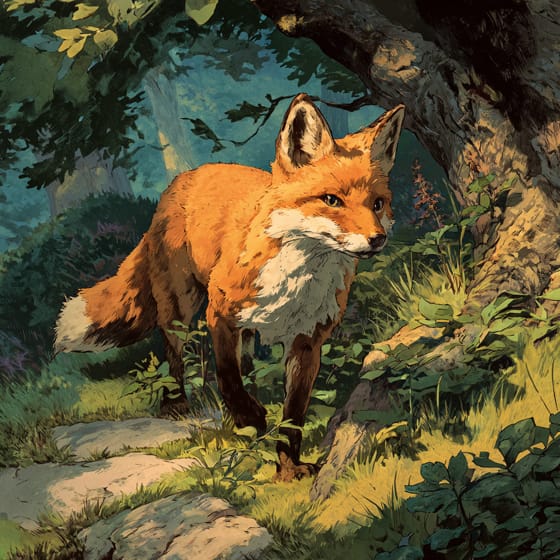
Vulpes vulpes
A cunning predator that preys on ptarmigans and their nests.
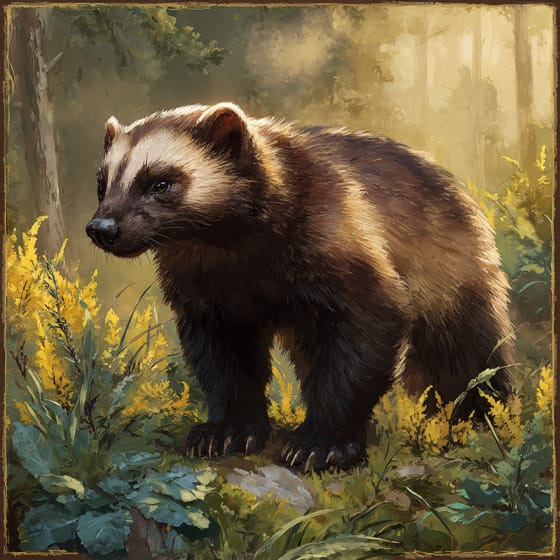
Gulo gulo
This fierce mammal sometimes preys on ptarmigans in their alpine habitat.
Salix arctica
Ptarmigans primarily eat buds and twigs from this hardy plant.
Camouflaged describes organisms that possess coloring or patterns that allow them to blend into their environment.
This trait characterizes organisms whose diet consists entirely or primarily of plant material.
This trait identifies organisms whose diet consists entirely or primarily of animal tissue.
Diurnal animals are primarily active during daylight hours, typically resting or sleeping at night.

Nocturnal animals are primarily active during the nighttime hours, typically resting or sleeping during the day.
Danger
1/5 · Very low
No special safety notes yet.
The easiest way to identify White-Tailed Ptarmigan is to use the Snappit nature identifier app.
30-35 cm
55-65 cm
0.35-0.5 kg
3-6 years
60 km/h
These birds are plant-eaters, feasting on mountain plants and tiny insects when young.
Mountainous areas with snow and rocks, mainly in North America.
Zoom in to split clusters and explore where this object has been snapped.

Washington, US
You might spot Whitebark Pine, Subalpine Larch, and White Pasqueflower.
View guide →

Colorado, US
You might spot Great Basin Bristlecone Pine and Fireweed.
View guide →

California, US
You might spot American Pika, Yellow-Bellied Marmot, and Shasta Blue.
View guide →

British Columbia, CA
You might spot Subalpine Larch, Arrowleaf Senecio, and Moss Campion.
View guide →
Take the discovery with you
Snap it with Snappit to identify it, learn what makes it special, and add the discovery to your collection.




.jpg&width=800)







