.jpg&width=800)





Black-throated Gray Warbler
Setophaga nigrescens
The Black-throated Gray Warbler is a small, lively bird known for its striking black throat and cheerful song. It loves to flit around trees and bushes, making it a delightful sight in nature.
Habitat: Forests
The Black-throated Gray Warbler has a striking black throat and cap contrasting with a gray back. Its belly is white, and it features distinctive white wing bars and a bold yellow spot (lore) between its eye and bill, setting it apart.
Category
BirdsRarity
Common
Danger
1/5 · Very low
Snaps
4
Black-throated Gray Warblers can sometimes hybridize with other warbler species!
Even tiny warblers fiercely defend their nesting territories from rivals.
Their bright yellow 'lovespot' near the eye is actually called a lore.
These birds often flick their tails, a subtle signal to nearby feathered friends.
Black-throated Gray Warbler can hang upside down because of strong feet that help them find hidden insects on leaves and branches.
Black-throated Gray Warbler has a gray and black feather pattern that helps them blend perfectly with tree bark and shadows.
Black-throated Gray Warbler can sing a distinctive buzzing song because of its specialized vocal cords that help them find mates.
These little birds love munching on tiny insects and spiders they find in the trees!
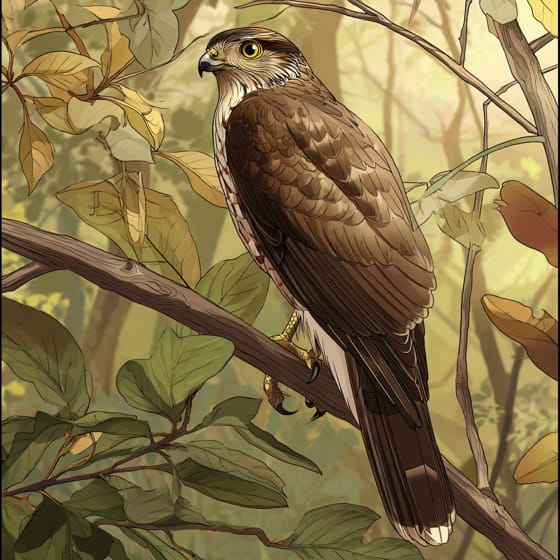
Accipiter cooperii
a common predator of small songbirds

Aphelocoma californica
known to prey on eggs and nestlings

Quercus agrifolia
often builds nests within their branches
Malacosoma californicum
a common insect prey
Feathered describes animals, primarily birds, possessing a covering of feathers.
Social animals live in organized groups, cooperating for survival benefits such as foraging, defense, and raising offspring.
Singing animals produce complex vocalizations, often for purposes of attracting mates, defending territory, or communicating within their species.
This trait identifies organisms whose diet primarily consists of insects and other small invertebrates.

Forest habitats are terrestrial environments dominated by dense tree cover, supporting a high diversity of plant and animal life.

Diurnal animals are primarily active during daylight hours, typically resting or sleeping at night.

Migratory animals undertake seasonal movements from one region to another, typically in response to changes in climate or food availability.
No aliases listed yet.
Danger
1/5 · Very low
Enjoy watching birds from a distance and be quiet so you don't scare them away.
The easiest way to identify Black-throated Gray Warbler is to use the Snappit nature identifier app.
10-13 cm
16-19 cm
0.007-0.01 kg
2-5 years
40 km/h
These little birds love munching on tiny insects and spiders they find in the trees!
Forests
Zoom in to split clusters and explore where this object has been snapped.

California, US
You might spot Redwood, Pacific Trillium, and Evergreen Huckleberry.
View guide →

Arizona, US
You might spot Yarrow's Spiny Lizard and Mexican Jay.
View guide →

California, US
You might spot Chaparral Yucca and Grinnell's Beardtongue.
View guide →

Colorado, US
You might spot Banana Yucca and Common Sagebrush Lizard.
View guide →

British Columbia, CA
You might spot Vine Maple, Orange Honeysuckle, and Licorice Fern.
View guide →
Take the discovery with you
Snap it with Snappit to identify it, learn what makes it special, and add the discovery to your collection.




.jpg&width=800)







