





Yellow-billed Magpie
Pica nuttalli
The Yellow-billed Magpie is a beautiful bird with a bright yellow bill and shiny black and white feathers. They are known for their playful nature and can often be seen hopping around in groups.
Habitat: Grasslands
The Yellow-billed Magpie has striking black and white plumage with an iridescent green-blue sheen on its wings and tail. Its most distinctive features are its bright yellow bill and a small yellow patch of skin around each eye, making it unique among magpies.
Category
BirdsRarity
Common
Danger
1/5 · Very low
Snaps
3
Magpies have been observed holding 'funerals' for their dead, showing complex emotions.
Their huge, dome-shaped nests are built with sticks and mud, often having multiple entrances!
They only live in California, making them a unique USA native!
Yellow-billed Magpies are one of the few bird species that can recognize themselves in a mirror!
Yellow-billed Magpies can use tools and solve complex puzzles because of their remarkable intelligence.
Yellow-billed Magpies can imitate various sounds, including other bird calls and human speech, to communicate.
Yellow-billed Magpies can cleverly hide excess food in many secret spots that helps them find meals later.
These clever birds eat a varied diet of insects, seeds, fruits, and even small animals.
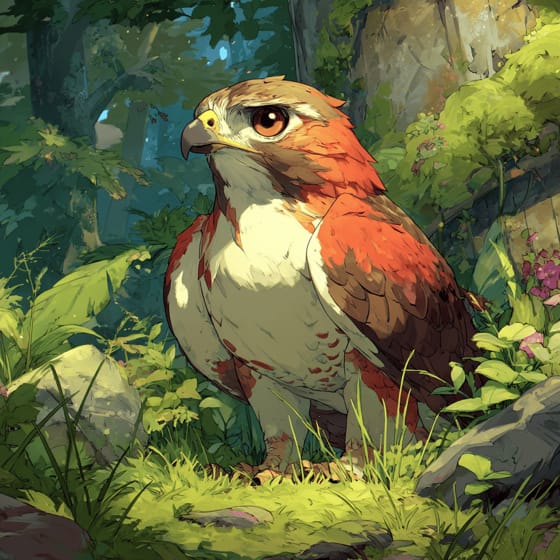
Buteo jamaicensis
Juvenile magpies are prey for raptors like this hawk.

Quercus lobata
They nest and forage in the native oak trees of California.
.jpg&width=800)
Microtus californicus
Magpies often hunt small rodents, like voles, in grasslands.
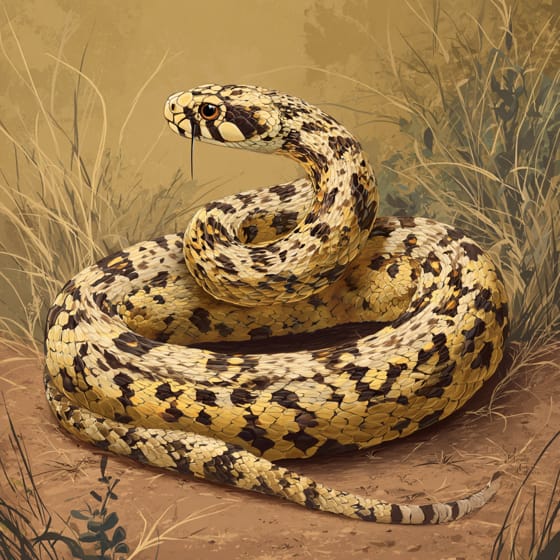
Pituophis catenifer
Snakes sometimes raid magpie nests for eggs or chicks.
Feathered describes animals, primarily birds, possessing a covering of feathers.
Social animals live in organized groups, cooperating for survival benefits such as foraging, defense, and raising offspring.
This trait identifies organisms whose diet includes both plant and animal matter.
Singing animals produce complex vocalizations, often for purposes of attracting mates, defending territory, or communicating within their species.

Grassland habitats are terrestrial biomes dominated by grasses and herbaceous plants, supporting a variety of grazing animals.

This trait identifies organisms whose diet primarily consists of insects and other small invertebrates.

Diurnal animals are primarily active during daylight hours, typically resting or sleeping at night.
No aliases listed yet.
Danger
1/5 · Very low
Watch these birds from a distance and don't try to touch them.
The easiest way to identify Yellow-billed Magpie is to use the Snappit nature identifier app.
41-51 cm
57-64 cm
0.15-0.21 kg
7-15 years
45 km/h
These clever birds eat a varied diet of insects, seeds, fruits, and even small animals.
Grasslands
Zoom in to split clusters and explore where this object has been snapped.

California, US
You might spot African Lion, Red Panda, and Giraffes.
View guide →

California, US
You might spot Horse-Fly Carpenter Bee and Anna's Hummingbird.
View guide →

California, US
You might spot Horse-Fly Carpenter Bee and Anna's Hummingbird.
View guide →

California, US
You might spot Horse-Fly Carpenter Bee and Anna's Hummingbird.
View guide →
Take the discovery with you
Snap it with Snappit to identify it, learn what makes it special, and add the discovery to your collection.




.jpg&width=800)









