





White-tipped Ctenucha
Ctenucha rubroscapus
The White-tipped Ctenucha is a beautiful moth with bright colors and fluffy bodies. They are often found fluttering around flowers, where they look for nectar to drink.
Habitat: Grasslands
The White-tipped Ctenucha has a striking metallic blue-black body and bright red-orange head. Its antennae feature distinctive white tips. Sometimes, a red-orange band adorns the base of its forewings, making it visually distinct from many other dark moths.
Category
InsectsRarity
Common
Danger
1/5 · Very low
Snaps
Be the first to snap!
Caterpillars munch on grasses, but adults drink flower nectar!
It often pretends to be a wasp to keep enemies away!
Its fuzzy body might help it keep warm during cooler days.
Unlike most moths, it loves to zip around in the sunshine.
White-tipped Ctenucha can fly during the day because of special adaptations that help them avoid night-flying predators and find flowers.
White-tipped Ctenucha has colors and flight patterns that help them look like a stinging wasp, scaring off potential predators.
White-tipped Ctenucha has bright white tips on its antennae that might help them recognize other moths for mating.
Adults sip sweet nectar from flowers, while their caterpillars munch on grasses.
Age differences: Larvae (caterpillars) eat grasses and sedges; adults drink flower nectar.
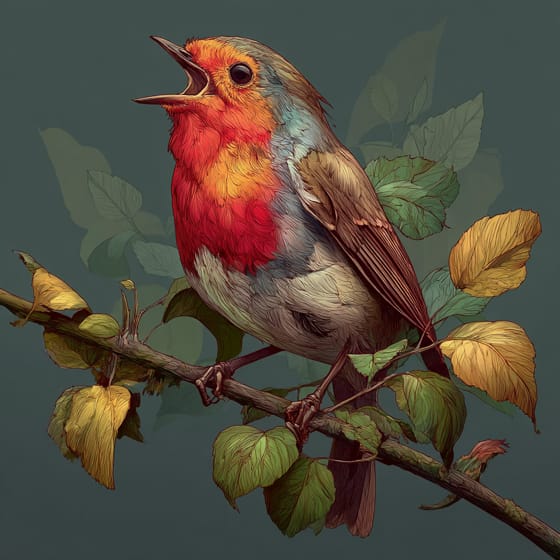
Turdus migratorius
Adult moths are a food source for insectivorous birds.
Achillea millefolium
Adults visit this flower for nectar, aiding in its pollination.
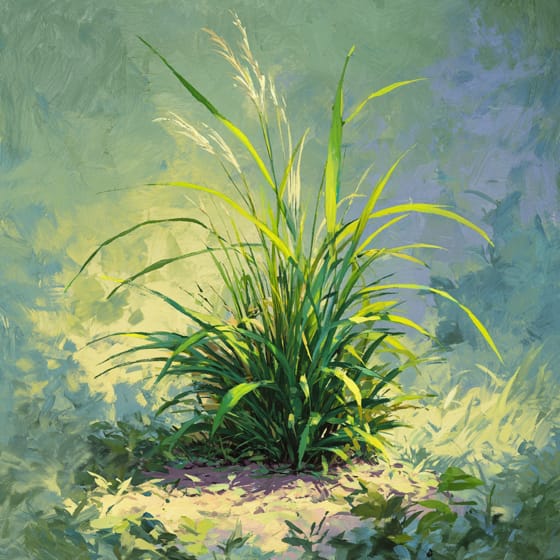
Poa pratensis
Caterpillars feed on the leaves of this common grass.
Furry describes animals possessing a dense covering of soft hair or fur.
Social animals live in organized groups, cooperating for survival benefits such as foraging, defense, and raising offspring.
Colorful describes organisms or objects displaying a wide range of bright and distinct colors.
Grassland habitats are terrestrial biomes dominated by grasses and herbaceous plants, supporting a variety of grazing animals.

This trait characterizes organisms whose diet consists entirely or primarily of plant material.

Describes plants that are particularly attractive and beneficial to a wide range of pollinating organisms.

Diurnal animals are primarily active during daylight hours, typically resting or sleeping at night.

Describes organisms that transfer pollen, enabling the fertilization and reproduction of plants.
No aliases listed yet.
Danger
1/5 · Very low
These moths are safe to watch, but it's best to leave them alone and not touch them.
The easiest way to identify White-tipped Ctenucha is to use the Snappit nature identifier app.
35-45 mm
15-20 mm
7-14 days
12 km/h
Adults sip sweet nectar from flowers, while their caterpillars munch on grasses.
Grasslands
Foraging
Zoom in to split clusters and explore where this object has been snapped.
Recent snaps will appear here as new observations are added.
Take the discovery with you
Snap it with Snappit to identify it, learn what makes it special, and add the discovery to your collection.





.jpg&width=800)



