





loblolly pine
Pinus taeda
The loblolly pine is a tall tree that grows straight and tall. It has long, green needles and produces big pine cones. These trees are important for wildlife and help make our air clean.
Habitat: Forests
The loblolly pine is a tall, straight tree with a reddish-brown, scaly bark. It has long, slender needles, typically bundled in threes, giving its dense, oval-shaped crown a textured look. Its needles are distinctly longer than many other pine species.
Category
PlantsRarity
Common
Danger
1/5 · Very low
Snaps
3
Its name 'loblolly' might come from an old word for a thick porridge, referring to muddy places it grows!
Loblolly pines can shoot their seeds far from their cones when they dry out!
The sticky sap from loblolly pines was once used to help seal and waterproof wooden ships!
These super trees can produce so much pollen it looks like yellow clouds in the spring!
Loblolly pine grows quickly, which helps it reach sunlight fast and outcompete other plants.
Loblolly pine has a deep taproot that helps it stand firm in strong winds and find water far underground.
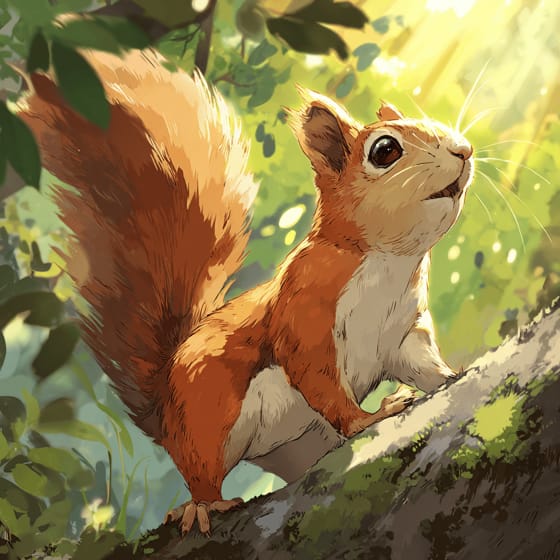
Sciurus carolinensis
gathers and eats its seeds from cones
Dendroctonus frontalis
bores into the bark, weakening the tree

Sitta pusilla
nests in old snags, finding safe homes
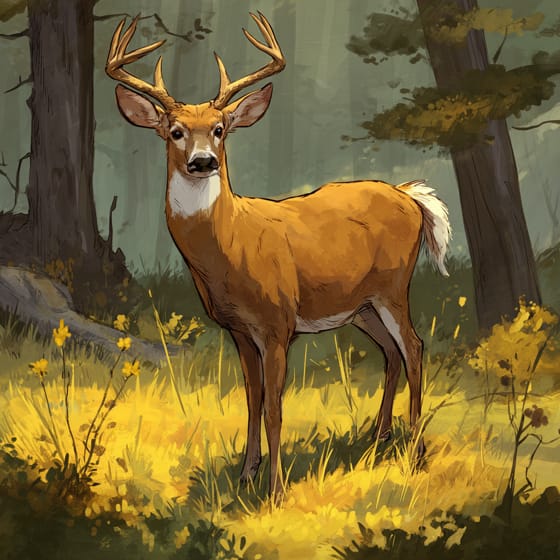
Odocoileus virginianus
browses on young seedlings and tender shoots
Broadleaf trees are angiosperms characterized by flat, wide leaves that are typically shed annually in temperate climates.
Coniferous plants are typically evergreen, bearing needles or scales and reproductive cones.
Evergreen plants retain their foliage throughout the year, never shedding all their leaves at once.
Nut bearing plants produce hard-shelled fruits, commonly known as nuts, which contain a single seed and are a valuable food source.

Rapid growing plants exhibit accelerated growth rates, quickly increasing in size and biomass within a short period.

Timber refers to wood that has been prepared for use in building and carpentry.

This trait signifies organisms belonging to a very old evolutionary group with ancestors dating back millions of years.

Forest habitats are terrestrial environments dominated by dense tree cover, supporting a high diversity of plant and animal life.

This trait characterizes organisms with an exceptionally long lifespan compared to others of their kind.

This habitat trait identifies species found in wetlands, which are areas of land saturated with water, either permanently or seasonally, including marshes, swamps, and bogs.

Describes a species whose presence and role have a disproportionately large effect on its environment.
Danger
1/5 · Very low
Stay clear of falling branches and don't climb too high in trees.
The easiest way to identify loblolly pine is to use the Snappit nature identifier app.
2500-4500 cm
600-1200 cm
Late winter to early spring
No
None
Perennial
Wind
Zoom in to split clusters and explore where this object has been snapped.

Texas, US
You might spot Yaupon Holly, American Beautyberry, and Loblolly Pine.
View guide →

Georgia, US
You might spot Mountain Laurel, Galax, and Carolina Sweetshrub.
View guide →

Georgia, US
You might spot Elf Orpine, Dimpled Trout Lily, and Porter's Sunflower.
View guide →
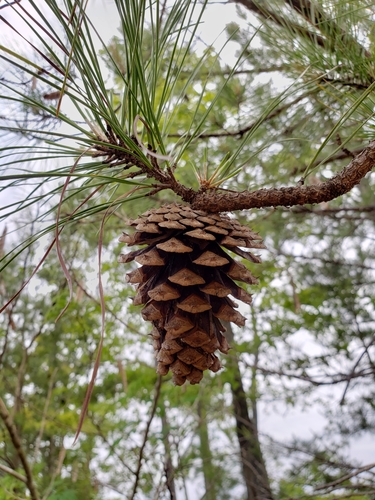
Virginia, US
You might spot Loblolly Pine, Fox Grape, and Sensitive Fern.
View guide →
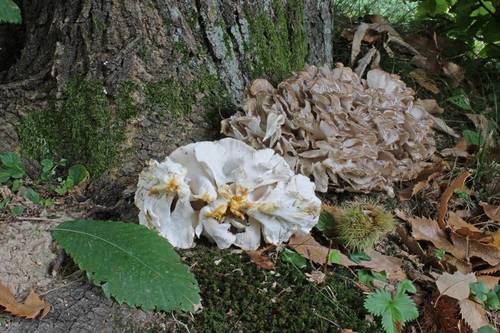
Virginia, US
You might spot Hen Of The Woods, White Oak, and Harlequin Glorybower.
View guide →
Take the discovery with you
Snap it with Snappit to identify it, learn what makes it special, and add the discovery to your collection.








.jpg&width=800)


_001.jpg&width=800)


