




Sequoia

The Giant Forest Lodge Historic District preserves the memory of a historic lodge and celebrates the magnificent giant sequoias it was removed to protect.
The Giant Forest Lodge Historic District preserves the memory of a historic lodge and celebrates the magnificent giant sequoias it was removed to protect. This remarkable site, nestled within Sequoia National Park in California, is now a testament to nature's enduring power and pioneering conservation efforts. It offers an unparalleled opportunity to immerse oneself in one of Earth's most awe-inspiring landscapes, where ancient trees tower with unimaginable scale and history intertwines with the natural world.
While the original lodge structures have largely been removed, the district encompasses the very heart of the Giant Forest, renowned for hosting some of the planet's largest and longest-living trees. Visitors can wander through serene trails like the Big Trees Trail around Round Meadow, marveling at the sheer size of these botanical titans, and seeking out famous individual trees such as the General Sherman Tree, the world's most voluminous tree. The Giant Forest Museum, housed in a historic building, serves as a gateway to understanding the sequoia ecosystem and the human story within this extraordinary grove.
Visiting the Giant Forest Lodge Historic District today is an experience of profound natural beauty and reflection on the evolving relationship between humans and wilderness. It's a place where you can feel dwarfed by centuries-old giants, breathe in crisp mountain air, and witness the power of conservation in action. Whether you're hiking among the colossal trees or spotting native wildlife like black bears and mule deer, the district offers memorable encounters with nature that inspire and captivate. Turn your visit into a safari! Use the Snappit app to scan and log wildlife sightings here.
buffs interested in conservation and National Park Service history
Enjoy hiking among the giant sequoias, taking photographs, learning about sequoia ecology at the museum, and looking for wildlife like black bears and mule deer. Shuttle services are available in summer to connect popular attractions.
Summer (June-August): Warm, dry weather. All roads and trails are open, but it's the busiest season with potential for crowds and full parking lots. Free shuttle services operate.
Fall (September-November): Cooler weather and lighter crowds. Snow may begin to fall in higher elevations by late October/early November.
Winter (December-April): Snowy and cold. Many trails require snowshoes or cross-country skis. The General Sherman Tree Trail is often cleared but traction devices are recommended. Roads may require chains.
Spring (April-May): Snow melts, wildflowers emerge, and waterfalls are robust. Roads and trails begin to open, but some higher elevation areas may still have snow.
The Giant Forest Museum has accessible restrooms and interactive exhibits. The Big Trees Trail around Round Meadow is paved and wheelchair-accessible. An accessible trail also leads to the General Sherman Tree, with accessible parking available. Free, wheelchair-accessible shuttles operate in summer.
The world's largest tree by volume.
A paved two-mile loop showcasing numerous monarch sequoias, including the President Tree and Chief Sequoyah.
Housed in a historic building, it offers interactive exhibits on sequoia ecology and the area's history.
Climb the granite dome for panoramic views of the Great Western Divide.
Each card links to a full Explore page with photos, traits, and fun facts.
Start with the big picture, then zoom in to explore individual wildlife observations around this place.
Utilize the Shuttle System
During summer, free shuttle buses run throughout the Giant Forest and Lodgepole areas, providing convenient access to major attractions and reducing traffic and parking stress.
Start at the Giant Forest Museum
This is an excellent starting point for your visit, offering interpretive exhibits, restrooms, and accessible trails leading to Round Meadow.
Be Bear Aware
American black bears are common in the area. Store all food and scented items properly to prevent bear encounters, and never leave food in unattended vehicles.
Dress in Layers and Hydrate
Elevations exceed 6,000 feet, so weather can change quickly. Bring plenty of water, especially when hiking.
Check Trail Conditions
Especially during spring and fall, and definitely in winter, check current trail and road conditions with the National Park Service for snow, ice, or closures.
Visit Popular Spots Early or Late
To avoid crowds at popular spots like the General Sherman Tree and Moro Rock, visit early in the morning or later in the afternoon.
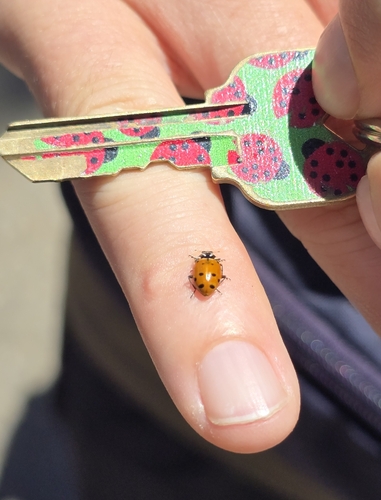
Jun 2, 2026
Photo attribution
(c) Dan Killam, some rights reserved (CC BY)
License: CC BY 4.0 ↗
Image may be shown cropped inside the card frame.
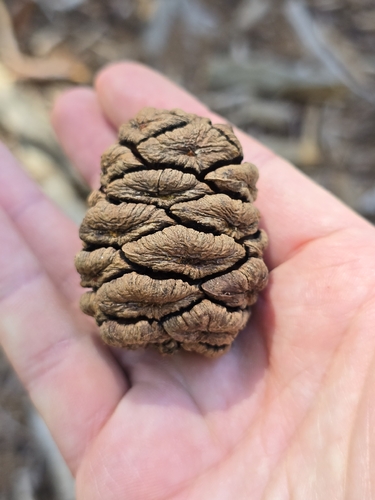
Jun 2, 2026
Photo attribution
(c) Dan Killam, some rights reserved (CC BY)
License: CC BY 4.0 ↗
Image may be shown cropped inside the card frame.
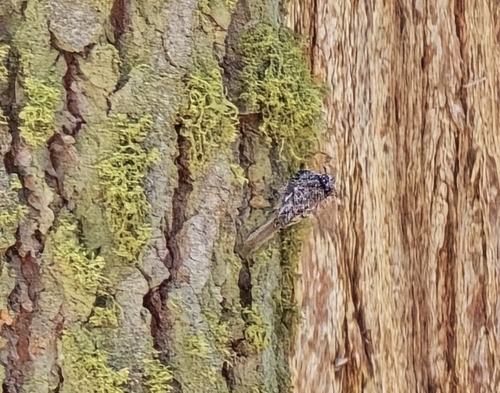
Jun 2, 2026
Photo attribution
(c) Dan Killam, some rights reserved (CC BY)
License: CC BY 4.0 ↗
Image may be shown cropped inside the card frame.
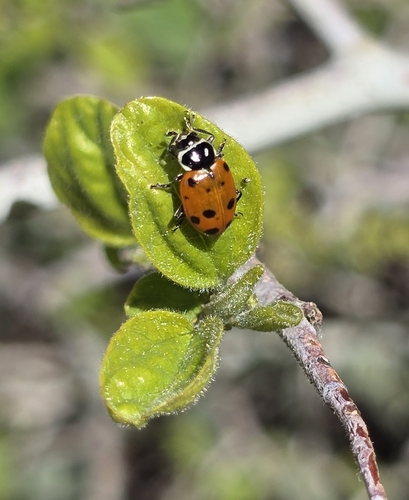
Jun 2, 2026
Photo attribution
(c) Dan Killam, some rights reserved (CC BY)
License: CC BY 4.0 ↗
Image may be shown cropped inside the card frame.
May 30, 2026
Photo attribution
(c) Brian Finzel, some rights reserved (CC BY-SA)
License: CC BY-SA 4.0 ↗
Image may be shown cropped inside the card frame.

Maryland, US
You might spot White-Tailed Deer and Eastern Gray Squirrel.
View guide →
.jpg)
District of Columbia, US
You might spot Eastern Gray Squirrel, Duck, and House Sparrow.
View guide →

Illinois, US
You might spot American Robin, Canada Goose, and House Sparrow.
View guide →

Virginia, US
You might spot Spotted Lanternfly and Northern Cardinal.
View guide →
Take the discovery with you
Identify the wildlife you spot, learn as you go, and keep a collection of the adventure.