





Wild Pink
Silene caroliniana
Wild Pink is a pretty flower that blooms in shades of pink. It grows in fields and along roadsides, bringing color to nature. Its sweet scent attracts butterflies and bees!
Habitat: Fields and roadsides
The Wild Pink has upright stems topped with clusters of striking bright pink, sometimes white, five-petaled flowers, each petal deeply notched. Its narrow, grass-like leaves grow in a basal rosette, and its upper stems are often sticky.
Category
PlantsRarity
Common
Danger
1/5 · Very low
Snaps
Be the first to snap!
If you rub its roots with water, they can produce a mild, soapy lather!
Its scientific name, Silene, might come from a sticky mythological Greek forest god!
Some Native American tribes traditionally used its roots in a "love medicine."
Wild Pink can thrive in poor, rocky soil where many other beautiful flowers struggle to grow.
Wild Pink has sticky hairs on its stems that can trap tiny crawling insects, protecting its flowers from unwelcome visitors.
Wild Pink can grow a long taproot deep into the soil, helping it find water during dry spells and survive in rocky habitats.
Wild Pink's vibrant pink flowers and sweet nectar attract bees, butterflies, and other insects, ensuring its seeds are spread.
Apis mellifera
Visits flowers for nectar and pollen.

Bombus impatiens
Key pollinator for Wild Pink.
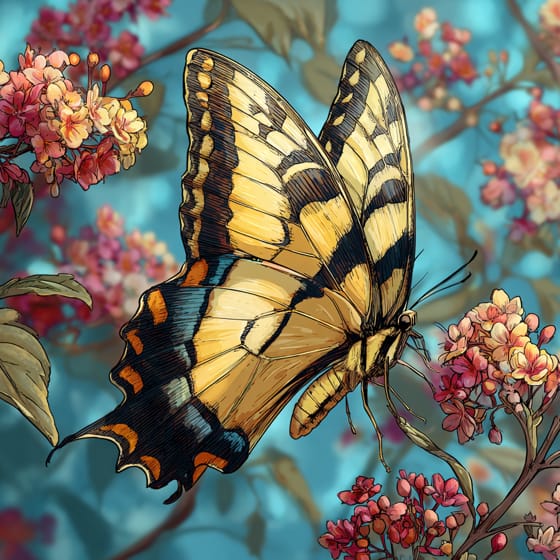
Papilio glaucus
Feeds on nectar, aiding pollination.
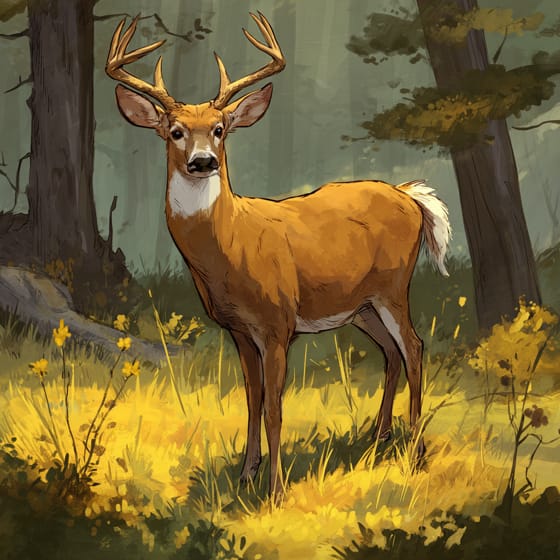
Odocoileus virginianus
Deer may browse the leaves and flowers.
Ornamental plants are cultivated primarily for their aesthetic appeal, enhancing landscapes and gardens with their attractive foliage, flowers, or form.
Cluster flowers are inflorescences where individual flowers are arranged closely together on a common stem.
Spring blooming plants produce their flowers during the spring season, often signifying the end of winter and the start of new growth.
Fragrant flowers emit a pleasant aroma, often to attract pollinators or for defense.

Colorful describes organisms or objects displaying a wide range of bright and distinct colors.

Grassland habitats are terrestrial biomes dominated by grasses and herbaceous plants, supporting a variety of grazing animals.

Describes plants that are particularly attractive and beneficial to a wide range of pollinating organisms.
No aliases listed yet.
Danger
1/5 · Very low
Always look but don't touch flowers without asking an adult first.
The easiest way to identify Wild Pink is to use the Snappit nature identifier app.
15-40 cm
15-30 cm
2-3 cm
Spring to early Summer
No
None
Perennial
Zoom in to split clusters and explore where this object has been snapped.
Recent snaps will appear here as new observations are added.
Take the discovery with you
Snap it with Snappit to identify it, learn what makes it special, and add the discovery to your collection.








.jpg&width=800)


_001.jpg&width=800)




