





Lingonberry
Vaccinium vitis-idaea
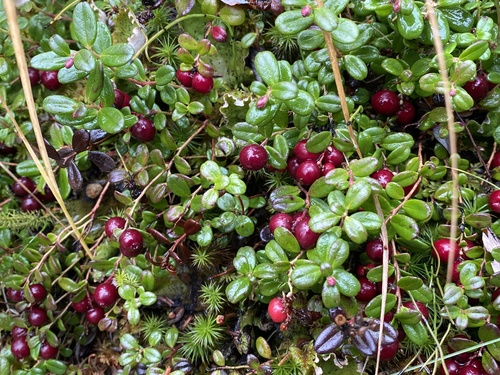
Lingonberries are small, red berries that grow on low bushes. They are tart and tasty, and many people like to use them in jams and desserts!
Habitat: Forests
The Lingonberry is a low-growing evergreen shrub with small, leathery, dark green leaves that are often glossy. It produces delicate, bell-shaped flowers that range from white to pale pink, which mature into bright, shiny red berries that often persist through winter.
Category
PlantsRarity
Common
Danger
1/5 · Very low
Snaps
9
Its super-sour berries can stay fresh on the plant all winter long!
Lingonberries are relatives to your favorite blueberries and cranberries!
Some lingonberry plants can actually produce two harvests of berries in one year!
These tiny berries are sometimes called the 'red pearls of the forest'.
Lingonberry has tough, waxy leaves that stay green, allowing it to make food all through cold, snowy winters.
Lingonberry can send out underground stems, allowing it to quickly form wide, dense patches of plants.
Lingonberry has special roots that help it thrive in acidic soil where other plants struggle.

Ursus arctos
Feasts on ripe lingonberries for energy.
Tetrao urogallus
Consumes lingonberry leaves and berries.
Bombus terrestris
Visits flowers to collect nectar and pollen.
Rangifer tarandus
Graze on its evergreen leaves in winter.
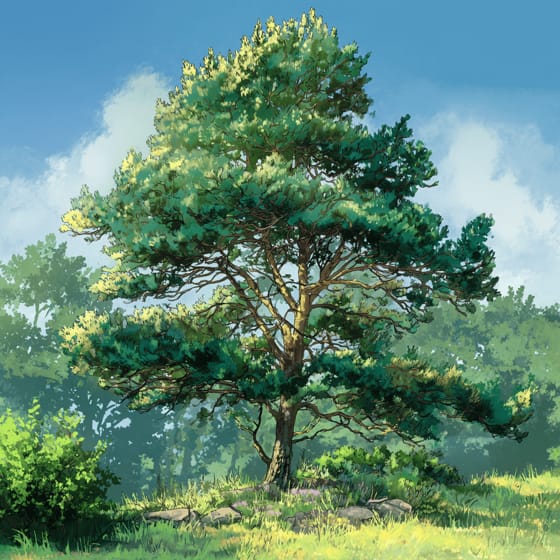
Pinus sylvestris
Often grows beneath its protective canopy.
A shrub is a woody plant smaller than a tree, typically with multiple stems branching from or near the ground.
Cold hardy plants are able to withstand low temperatures and freezing conditions without significant damage.
Evergreen plants retain their foliage throughout the year, never shedding all their leaves at once.
Fruit-bearing plants produce fruits, which are the mature ovaries of flowering plants containing seeds.

Medicinal plants possess chemical compounds that can be used for therapeutic purposes to treat illnesses or maintain health.

This human use trait describes species cultivated or domesticated by humans for agricultural purposes, including crops and livestock.

Edible plants are those parts of a plant that are considered safe for human consumption.

Describes plants that are particularly attractive and beneficial to a wide range of pollinating organisms.

This habitat trait identifies species found in mountainous regions, characterized by high elevation, steep slopes, and varying climate zones.

Forest habitats are terrestrial environments dominated by dense tree cover, supporting a high diversity of plant and animal life.
Danger
1/5 · Very low
Always ask an adult before picking and eating wild berries.
The easiest way to identify Lingonberry is to use the Snappit nature identifier app.
10-40 cm
20-60 cm
0.5-1 cm
Late spring to early summer
Yes
None
Perennial
Zoom in to split clusters and explore where this object has been snapped.
Sep 16, 2024
Chicken Historic DistrictPhoto attribution
(c) Donald Hampton, some rights reserved (CC BY-SA)
License: CC BY-SA 4.0 ↗
Image may be shown cropped inside the card frame.

Maine, US
You might spot American Bullfrog and Three-Toothed Cinquefoil.
View guide →

Alaska, US
You might spot Cliff Swallow, Pretty Jacob's-Ladder, and Dwarf Fireweed.
View guide →

Alaska, US
You might spot Canadian Bunchberry, Saskatoon, and Canadian Buffalo-Berry.
View guide →

Alaska, US
You might spot Forest Bumble Bee and Alaskan Fritillary.
View guide →

Maine, US
You might spot Jack Pine, Lingonberry, and Sheep Laurel.
View guide →

US
You might spot Salal, Ochre Sea Star, and Leather Star.
View guide →
Take the discovery with you
Snap it with Snappit to identify it, learn what makes it special, and add the discovery to your collection.








.jpg&width=800)



_001.jpg&width=800)


