





Willow Apple Gall Sawfly
euura californica
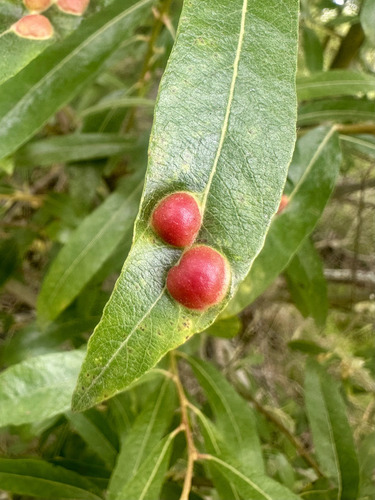
The Willow Apple Gall Sawfly is a tiny insect that creates cool, round galls on willow trees! These galls are like little homes for the larvae, making the tree look like it's wearing funny hats.
Habitat: Willow trees, often found near water sources.
The Willow Apple Gall Sawfly is a small, dark, wasp-like insect with clear wings. While the sawfly itself is unassuming, it creates striking, spherical galls on willow leaves, which are typically red or green and resemble tiny apples.
Category
InsectsRarity
Common
Danger
0/5 · No known danger
Snaps
2
It uses a saw-like tool to cut into leaves to lay its tiny eggs.
Sawflies are actually closer relatives to wasps and bees, not flies!
The gall changes the willow leaf's growth to make a perfect home.
Those "apples" on willows are not fruit, but a sawfly's amazing nursery!
Willow Apple Gall Sawfly can chemically induce a spherical "apple" gall on willow leaves because of its egg-laying process, providing a protective home and food for its larvae.
Willow Apple Gall Sawfly has the ability to reprogram plant growth because its eggs release chemicals that force willow leaves to create a nutritious, protective chamber around its developing young.
Willow Apple Gall Sawfly has a saw-like egg-laying tool that helps them slice into willow leaves to deposit eggs, initiating the formation of the distinctive apple gall.
Larvae feed exclusively on inner willow leaf tissues inside their protective galls; adults rarely feed or sip nectar.
Age differences: Larvae consume plant tissue within galls; adults may feed on nectar or not at all.
.jpg&width=800)
Salix lasiolepis
lays eggs and larvae feed on its leaves
Pteromalus pontaniae
lays eggs inside the sawfly larvae within the gall
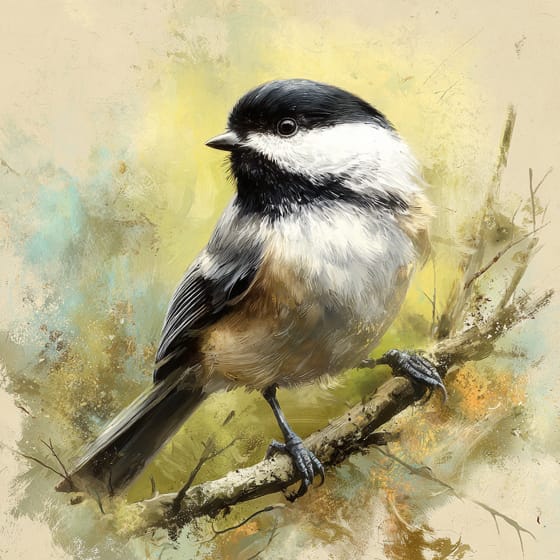
Poecile atricapillus
birds may open galls to eat larvae
Social animals live in organized groups, cooperating for survival benefits such as foraging, defense, and raising offspring.
Arboreal animals live primarily in trees, utilizing them for shelter, food, and protection from predators.
Colorful describes organisms or objects displaying a wide range of bright and distinct colors.
This trait characterizes organisms whose diet consists entirely or primarily of plant material.

Diurnal animals are primarily active during daylight hours, typically resting or sleeping at night.
Danger
0/5 · No known danger
No special safety notes yet.
The easiest way to identify Willow Apple Gall Sawfly is to use the Snappit nature identifier app.
6-10 mm
3-5 mm
7-14 days
Larvae feed exclusively on inner willow leaf tissues inside their protective galls; adults rarely feed or sip nectar.
Willow trees, often found near water sources.
Foraging
6
Zoom in to split clusters and explore where this object has been snapped.
Jun 6, 2026
Venice Canal Historic DistrictPhoto attribution
(c) Roberto Daniel Avila, some rights reserved (CC BY)
License: CC BY 4.0 ↗
Image may be shown cropped inside the card frame.

California, US
You might spot Eastern Fox Squirrel, Western Fence Lizard, and Duck.
View guide →

California, US
You might spot Western Gull, Snowy Egret, and Willet.
View guide →

California, US
You might spot Plume Albizia, White-Crowned Sparrow, and Red-Tailed Hawk.
View guide →
Take the discovery with you
Snap it with Snappit to identify it, learn what makes it special, and add the discovery to your collection.







.jpg&width=800)



